






No products in the cart.
- Latest
- Trending

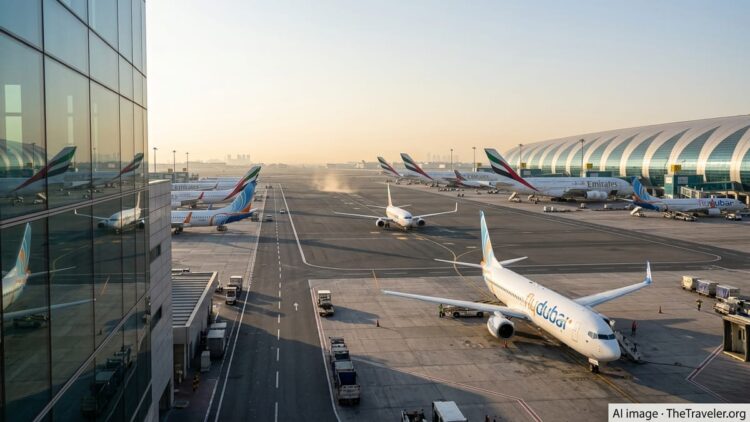
Emirates and Flydubai Steady DXB Ops With 417 Weekend Flights
Comprehensive Summarization:
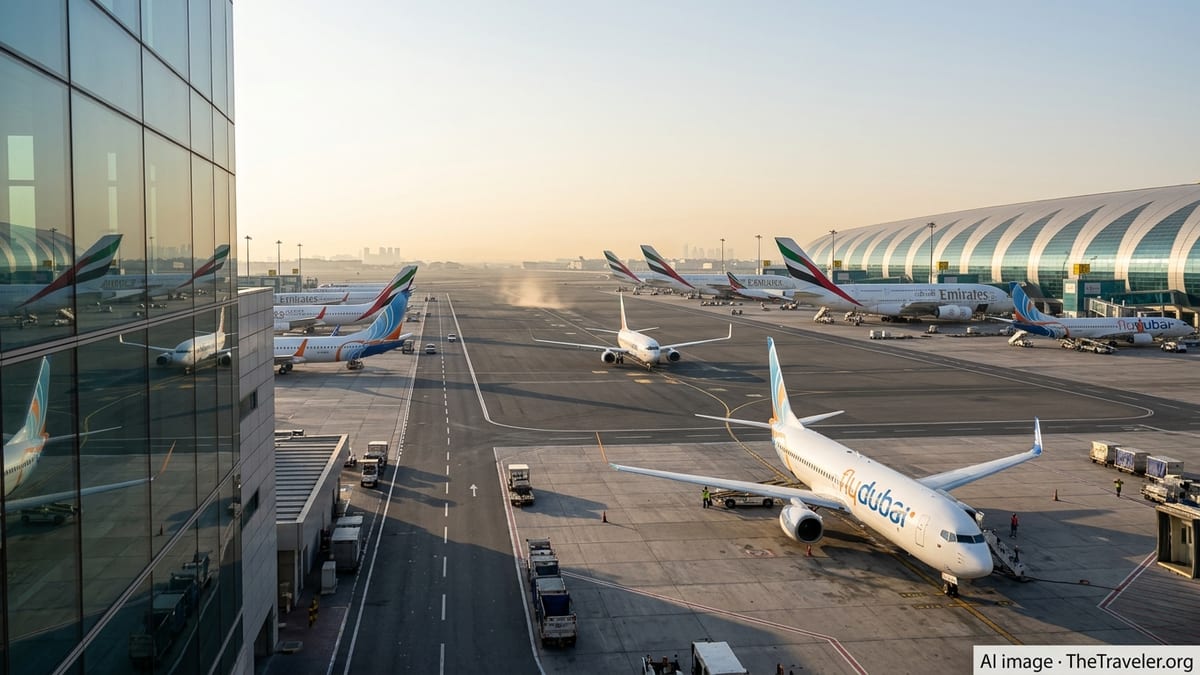
The article reports that Emirates and Flydubai are set to operate a combined 417 departures from Dubai International Airport (DUB) over the weekend of March 27-28, 2023. Specifically, 210 flights are scheduled for Friday, March 27, and 207 for Saturday, March 28. This schedule indicates a period of relative stability in outbound operations following weeks of disruption across the United Arab Emirates’ airspace. The article highlights the return to normalcy in air travel operations, signaling a positive development in the UAE’s aviation sector.
Key Points:
Actionable Takeaways:
Stability in Air Travel Operations: The increased number of flights from Emirates and Flydubai indicates a stabilization in air travel operations within the UAE. This stability is crucial for businesses and travelers relying on air connectivity, suggesting a recovery phase post-disruption. Travel agencies and airlines should monitor this trend to adjust their schedules and marketing strategies accordingly.
Impact on Travel Demand: The return to a near-normal flight schedule may indicate a gradual recovery in travel demand. Travelers and businesses may resume planning trips, potentially boosting revenue for airlines and related services. Companies in the travel sector should leverage this stability to promote travel packages and services, capitalizing on the renewed confidence in air travel.
Contextual Insights:
The article reflects a broader trend of recovery in the travel industry, particularly in regions like the UAE, where airspace disruptions have been a concern. The resurgence in flight operations from major carriers like Emirates and Flydubai is indicative of the sector’s resilience and adaptability. This stability can be attributed to improved safety protocols, increased passenger confidence, and possibly enhanced operational efficiencies post-disruption. For thought leaders in the travel industry, this scenario underscores the importance of agile operational strategies and the need to continuously monitor and adapt to market conditions. The focus on stability and recovery can also inspire innovations in travel tech, such as improved booking systems, enhanced customer service platforms, and streamlined travel planning tools, to meet the evolving needs of travelers post-pandemic.
Read the Complete Article.
Get curated travel AI insights — choose the newsletters that matter to you.
ALTOUR Expands into Thailand, Strengthening Corporate Travel Network Across Southeast Asia BANGKOK, THAILAND (25 March, 2026) – ALTOUR, a leading...
Read moreDetails


Comprehensive Summarization: The article reports that Emirates and Flydubai are set to operate a combined 417 departures from Dubai International...
Read moreDetails