




No products in the cart.
- Latest
- Trending

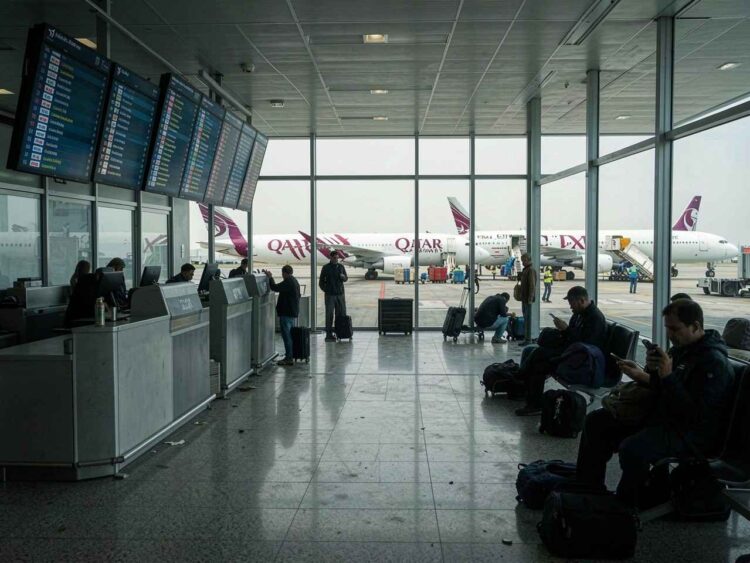
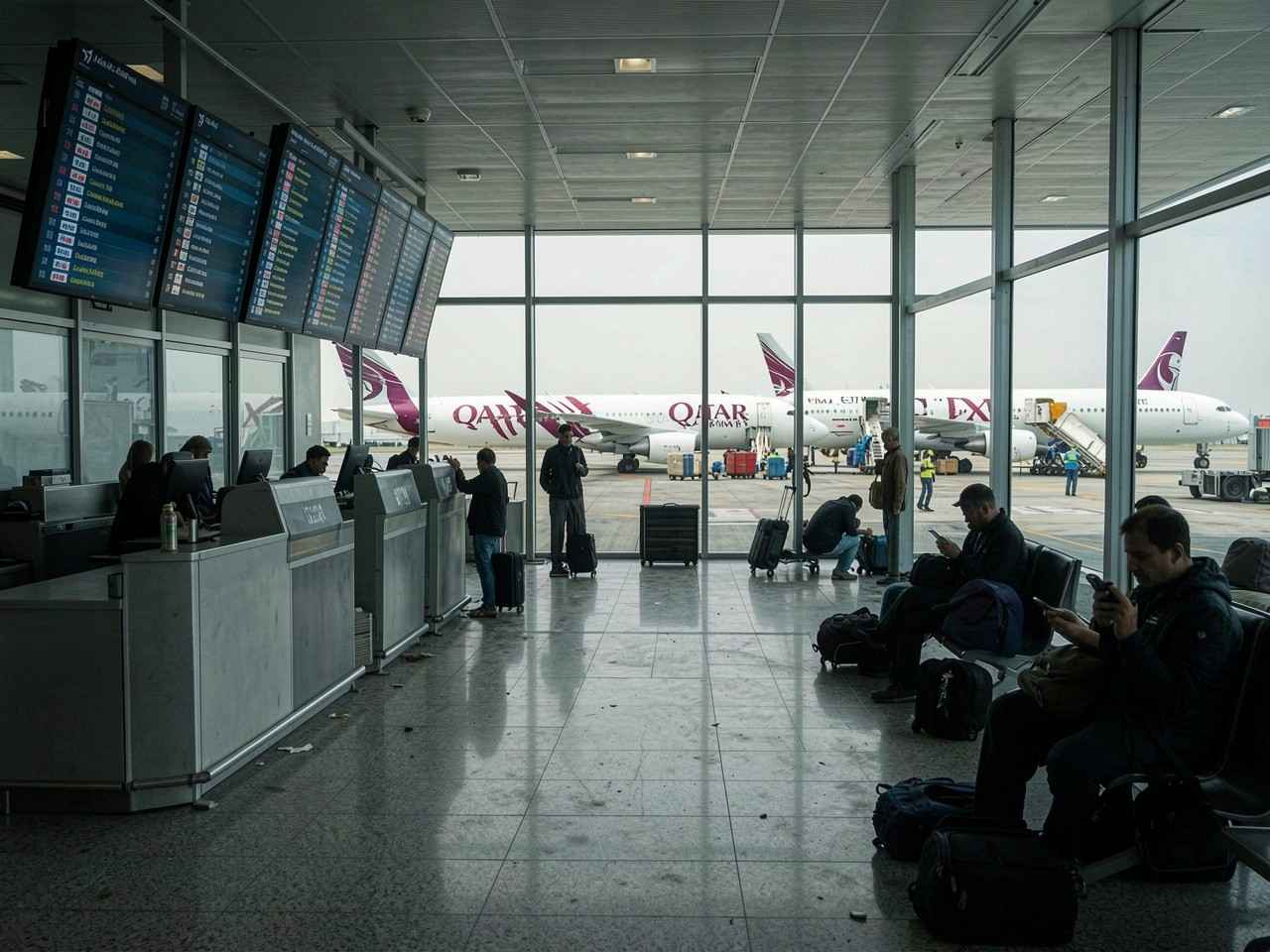
Emirates joins Qatar Airways, Etihad, flydubai, Air Arabia, Lufthansa, British Airways & Cathay Paci...
Comprehensive Summarization:
The article reports that major airlines including Emirates, Qatar Airways, Etihad, flydubai, Air Arabia, Lufthansa, British Airways, and Cathay Pacific have been compelled to slash flights by up to 90% due to the ongoing conflict in Iran. This disruption is significantly impacting global air travel, causing widespread chaos and uncertainty in the aviation industry. The article highlights the severe economic and operational challenges faced by these airlines as they navigate through the crisis, emphasizing the profound impact of geopolitical tensions on the travel sector.
Key Points:
Actionable Takeaways:
Adaptation Strategies for Airlines: Airlines must swiftly implement adaptive strategies to mitigate the impact of reduced flight schedules. This could include optimizing flight routes, enhancing digital customer service, and exploring partnerships to share resources and costs. These actions are crucial for maintaining operational efficiency and customer satisfaction amidst the crisis.
Focus on Safety and Compliance: Given the heightened geopolitical risks, airlines should prioritize safety and compliance measures. This includes rigorous training for staff, enhanced security protocols, and adherence to regulatory guidelines. Such measures not only protect passengers but also build trust and confidence in the airline’s operations.
Investment in Technology and Innovation: The crisis presents an opportunity for airlines to invest in advanced technologies such as AI-driven customer service, predictive analytics for demand forecasting, and digital platforms for seamless travel experiences. Embracing innovation can help airlines streamline operations, improve customer engagement, and recover from the current disruptions.
Contextual Understanding:
The article reflects the current state of the travel industry, where geopolitical tensions can have far-reaching effects on global air travel. The conflict in Iran has triggered a chain reaction, forcing major airlines to drastically reduce their flight operations. This situation highlights the vulnerability of the aviation sector to external shocks and the importance of resilience and adaptability. Looking ahead, the article suggests that the industry will need to focus on technological advancements and strategic partnerships to navigate future uncertainties. Thought leaders emphasize the need for airlines to leverage data analytics and digital transformation to enhance operational efficiency and customer experience, ensuring they remain competitive in a rapidly evolving market.
Handling Different Article Types:
The article is a news blurb, providing factual information about the impact of the conflict in Iran on major airlines. The summary, key points, and actionable takeaways are structured to convey the essential information clearly and concisely, suitable for a professional audience. The context provided integrates recent events and market conditions, offering a forward-looking perspective on the challenges and opportunities facing the travel industry.
Read the Complete Article.
Get curated travel AI insights — choose the newsletters that matter to you.
ALTOUR Expands into Thailand, Strengthening Corporate Travel Network Across Southeast Asia BANGKOK, THAILAND (25 March, 2026) – ALTOUR, a leading...
Read moreDetails


Comprehensive Summarization: The article reports that major airlines including Emirates, Qatar Airways, Etihad, flydubai, Air Arabia, Lufthansa, British Airways, and...
Read moreDetails