










No products in the cart.
- Latest
- Trending

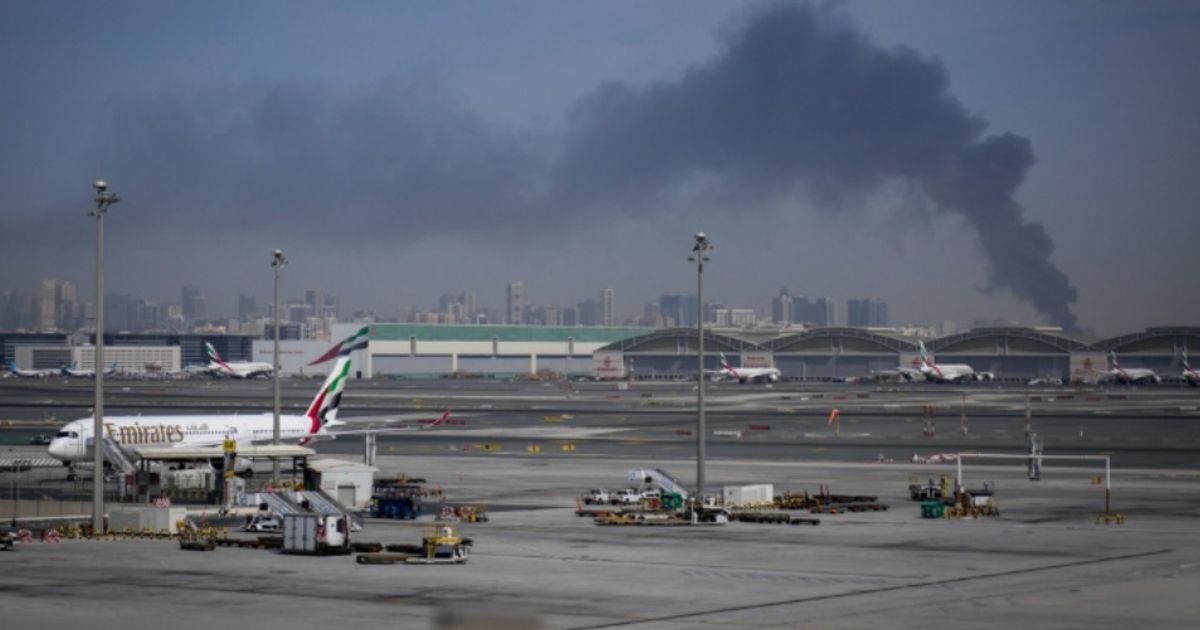
Etihad, Emirates, FlyDubai will 'prioritise' certain UK tourists for flights
Comprehensive Summarization:
Etihad, Emirates, and FlyDubai are resuming limited flight services amid the ongoing chaos in the Middle East, prioritizing certain UK tourists. The three carriers will operate these services with restrictions, as reported. One of the flights, Etihad Airways flight EY67, departed from Abu Dhabi carrying stranded UK nationals. This development is part of the broader travel industry’s response to recent geopolitical tensions and their impact on air travel.
Key Points:
Actionable Takeaways:
Increased Demand for Travel Insurance: With the resumption of flights, there may be an increased demand for travel insurance, particularly for UK tourists who may have been stranded due to the flight cancellations. This could present an opportunity for travel insurance providers to market their services more aggressively.
Focus on Customer Prioritization: The prioritization of certain UK tourists for these flights indicates a shift in airline strategies towards customer-centric approaches during crises. This could inspire other airlines to adopt similar prioritization strategies, potentially improving customer satisfaction and loyalty.
Impact on Travel Startups: The resumption of flights could also have implications for travel startups, especially those offering last-minute travel solutions or crisis management services. This event may highlight the importance of real-time data analytics and customer communication in the travel industry, areas where startups could innovate further.
Contextual Insights:
The resumption of flights by Etihad, Emirates, and FlyDubai amidst geopolitical tensions in the Middle East reflects the dynamic and often unpredictable nature of the travel industry. This event underscores the importance of real-time decision-making and customer prioritization in crisis management. Furthermore, it highlights the role of technology in facilitating communication and operational efficiency during such disruptions. As the travel industry continues to evolve, startups focusing on crisis management, real-time data analytics, and customer communication could find new opportunities to innovate and thrive. The current situation also emphasizes the need for robust travel insurance options, catering to the specific needs of travelers during turbulent times.
Read the Complete Article.
Get curated travel AI insights — choose the newsletters that matter to you.
ALTOUR Expands into Thailand, Strengthening Corporate Travel Network Across Southeast Asia BANGKOK, THAILAND (25 March, 2026) – ALTOUR, a leading...
Read moreDetails


Comprehensive Summarization: Airports of Thailand PCL (AOT), the primary operator of key international gateways such as Suvarnabhumi and Phuket, plays...
Read moreDetails