





No products in the cart.
- Latest
- Trending


Comprehensive Summarization:
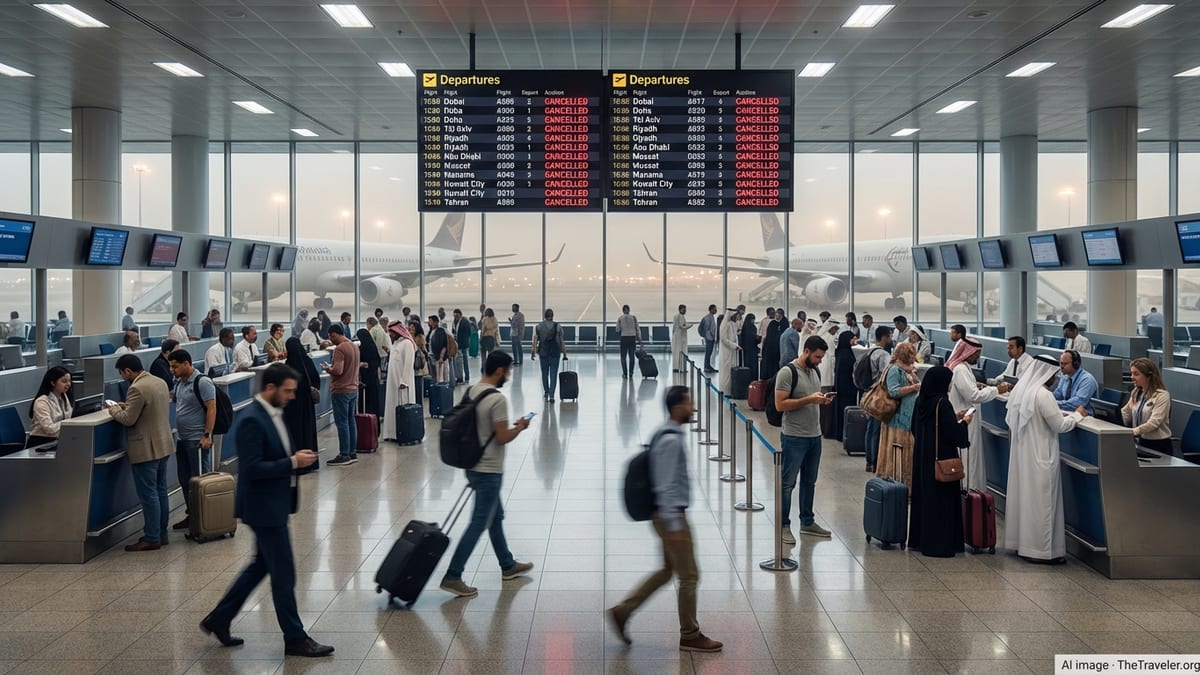
The article reports on a 25-year-old British flight attendant from FlyDubai who was detained in Dubai’s Al Barsha pre-trial detention centre after sharing a photo of an Iranian drone strike near Dubai International Airport (DXB) in a private WhatsApp group chat with coworkers. This incident has drawn international attention to the UAE’s increasingly aggressive enforcement of cybercrime laws amid the ongoing Iran war. The case highlights the UAE’s strict stance on cybercrime, especially in the context of geopolitical tensions, and underscores the potential risks associated with sharing sensitive information on private messaging platforms.
Key Points:
Actionable Takeaways:
Enhanced Cybersecurity Measures: Companies operating in regions with strict cybercrime laws, such as the UAE, should prioritize robust cybersecurity measures to protect sensitive information. This includes implementing advanced encryption, secure communication channels, and regular employee training on cybersecurity best practices. The incident underscores the importance of safeguarding digital communications to avoid legal repercussions and reputational damage.
Regulatory Compliance and Risk Management: Businesses, especially those in the travel and hospitality sectors, should conduct thorough risk assessments to understand the implications of operating in jurisdictions with stringent cybercrime laws. This involves staying informed about legal requirements, ensuring compliance with local regulations, and developing contingency plans to mitigate potential legal and operational risks. The case of the detained flight attendant serves as a cautionary tale for companies to prioritize compliance and risk management in their operations.
Contextual Insights:
The detention of the British flight attendant in the UAE highlights the evolving landscape of cybercrime enforcement in the region, particularly in the wake of geopolitical tensions such as the ongoing Iran war. The UAE has been tightening its grip on cybercrime laws, reflecting a broader trend among Gulf countries to enhance cybersecurity measures in response to security threats. This development is significant for the travel industry, as it emphasizes the need for heightened vigilance in protecting digital communications and sensitive data. Experts predict that such incidents will prompt further scrutiny and potential legislative changes aimed at strengthening cybercrime laws, which could impact how travel companies manage and store digital information. Furthermore, the incident underscores the importance of fostering a culture of cybersecurity awareness among employees, as the misuse of private messaging platforms can have serious legal and professional consequences. As the travel industry continues to navigate these challenges, thought leaders recommend investing in cybersecurity infrastructure and promoting a proactive approach to risk management to safeguard operations and maintain trust with stakeholders.
Read the Complete Article.
Get curated travel AI insights — choose the newsletters that matter to you.
ALTOUR Expands into Thailand, Strengthening Corporate Travel Network Across Southeast Asia BANGKOK, THAILAND (25 March, 2026) – ALTOUR, a leading...
Read moreDetails

Singapore — April 14, 2026 In short: Kirk Westaway and Stefan Heilemann collaborate on a one-day dining event at JAAN...
Read moreDetails