





















Travel Capitalist Ventures Expands Check Size to $10 Million to Deepen Emerging Market Conviction
Boutique Travel VC raises investment cap from $1.5M to $10M to lead rounds and support portfolio companies through growth Travel...
Read moreDetails

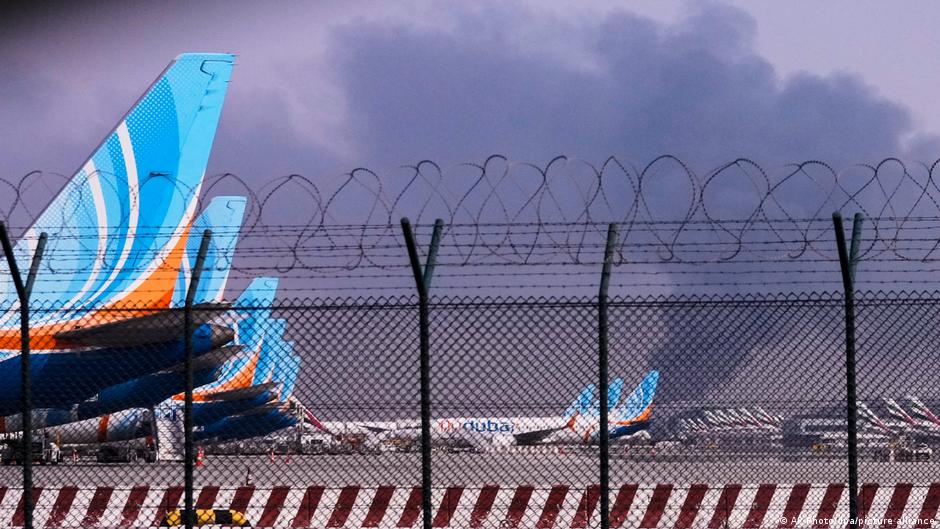
Dubai-Iran air corridor disrupted as Dubai Airports lists 17 Flydubai cancellations
Comprehensive Summarization:
Flydubai has announced the cancellation of all Dubai–Budapest flights scheduled for April, effectively ending the three-times-weekly service that had been planned to resume after February’s suspension. In response, Emirates, Flydubai’s sister carrier, will continue to serve the Hungarian capital but will reduce its capacity on the route to four weekly rotations starting mid-April, down from the usual daily schedule. This decision reflects the ongoing challenges faced by low-cost carriers in maintaining consistent service levels, particularly in light of fluctuating demand and operational constraints.
Key Points:
Actionable Takeaways:
Reassess Low-Cost Carrier Strategies: Airlines operating in similar routes should review their pricing, service frequency, and capacity management strategies to ensure resilience against demand fluctuations. This could involve dynamic pricing models or flexible scheduling to adapt to changing market conditions.
Monitor Competitor Moves: Travel industry stakeholders should keep a close eye on competitor actions, particularly in routes with high competition. Strategic partnerships or mergers might be necessary to maintain market share and service levels, especially in regions where demand is volatile.
Contextual Insights:
The cancellation of Flydubai’s Dubai–Budapest flights underscores the broader challenges faced by the travel industry in maintaining service levels during periods of low demand. This situation is reflective of a larger trend where airlines are increasingly adopting flexible and dynamic strategies to adapt to market conditions. The move by Emirates to reduce capacity on the route also highlights the competitive pressures faced by carriers in maintaining profitability and service quality. As the industry continues to evolve, stakeholders must remain agile, leveraging technology and strategic partnerships to navigate uncertainties and capitalize on emerging opportunities.
Read the Complete Article.
Boutique Travel VC raises investment cap from $1.5M to $10M to lead rounds and support portfolio companies through growth Travel...
Read moreDetails



Comprehensive Summarization: Flydubai has announced the cancellation of all Dubai–Budapest flights scheduled for April, effectively ending the three-times-weekly service that...
Read moreDetails
