





No products in the cart.
- Latest
- Trending


flydubai joins IATA Safety Leadership Charter to strengthen employee safety
Article Summary:
The article discusses FlyDubai’s recent decision to join the International Air Transport Association’s (IATA) Safety Leadership Charter, highlighting the airline’s commitment to strengthening employee safety. This move underscores the growing emphasis on safety protocols within the travel industry, reflecting broader trends towards enhanced safety measures and compliance in aviation.
Key Points:
FlyDubai’s Membership in IATA Safety Leadership Charter:
Commitment to Enhanced Safety Protocols:
Actionable Takeaways:
Adopt Enhanced Safety Protocols: Airlines and travel companies should consider implementing or enhancing their safety protocols to align with industry best practices and regulatory standards. This includes regular safety training for employees and the adoption of advanced safety technologies.
Invest in Employee Well-being: Companies should prioritize the well-being of their employees by providing comprehensive safety training, ergonomic workspaces, and support systems. This not only enhances safety but also boosts employee morale and productivity.
Contextual Insights:
The decision by FlyDubai to join the IATA Safety Leadership Charter is indicative of a broader industry shift towards prioritizing safety and compliance. Recent events, such as increased global travel disruptions and heightened focus on health and safety measures, have underscored the importance of robust safety protocols. Technological advancements, such as real-time monitoring systems and AI-driven safety analytics, are also playing a crucial role in enhancing safety measures. As the travel industry continues to evolve, staying abreast of these trends and integrating them into operational strategies will be essential for maintaining competitive advantage and ensuring passenger safety.
Read the Complete Article.
Get curated travel AI insights — choose the newsletters that matter to you.
This spot is reserved for brands with a compelling story for the travel trade. They use this space to cut...
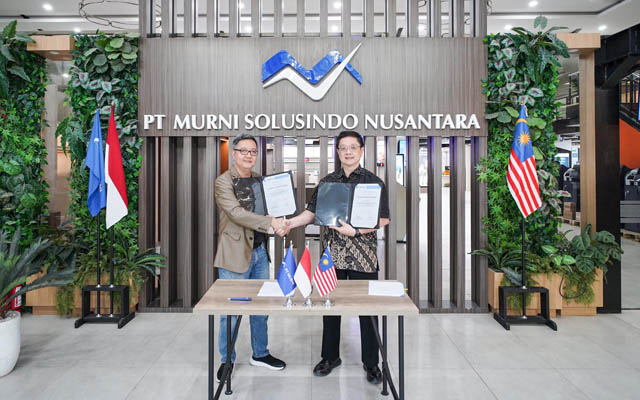
Read moreDetailsALTOUR Expands into Thailand, Strengthening Corporate Travel Network Across Southeast Asia BANGKOK, THAILAND (25 March, 2026) – ALTOUR, a leading...
Read moreDetails


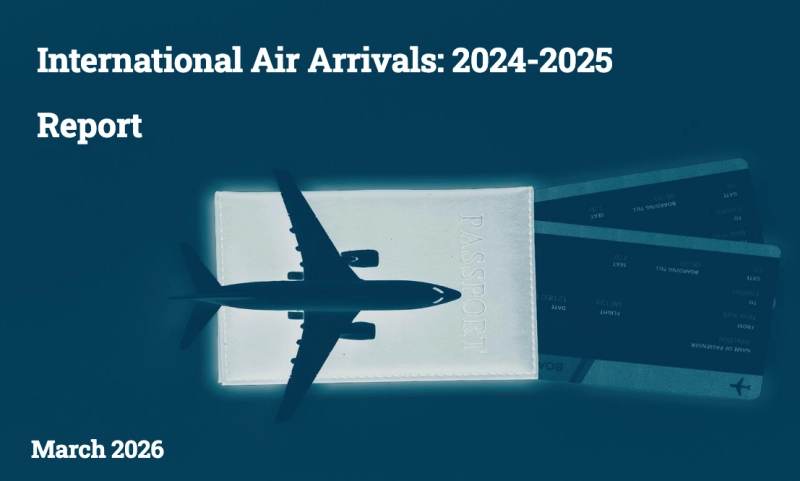
Comprehensive Summarization: The article from INSETE highlights a significant 5.9% increase in international air arrivals to Greece in 2025, reaching...
Read moreDetails