











No products in the cart.
- Latest
- Trending


Фото: airport.by
Article Summary:
Flydubai has announced the unilateral cancellation of flights to Minsk for a two-week period, starting from December 24 through January 8 inclusive. This decision impacts flights departing from and returning to Minsk Airport. Some tour operators have transferred passengers to Belavia flights, while others have arranged alternative flights from Moscow with transfers to and from the airport. The article also includes an image captioning the cancellation of Flydubai flights to Minsk until January 8.
Key Points:
Actionable Takeaways:
Contextual Insights:
The cancellation of Flydubai flights to Minsk underscores the vulnerabilities within the travel industry, particularly in terms of route dependencies and the impact of single-airline operations. This incident is a reminder of the broader trend towards increased airline competition and the need for robust contingency planning. In the current travel landscape, characterized by frequent disruptions due to various factors such as weather, geopolitical tensions, and operational issues, the ability to swiftly adapt and provide alternative solutions is critical. This situation also highlights the importance of partnerships and collaborations within the travel industry, as seen in the rebooking of passengers on Belavia flights. Looking forward, the travel sector must continue to innovate and invest in technologies and strategies that enhance flexibility and resilience, ensuring a smoother experience for travelers even in the face of unforeseen disruptions.
Read the Complete Article.
Get curated travel AI insights — choose the newsletters that matter to you.
This spot is reserved for brands with a compelling story for the travel trade. They use this space to cut...
Read moreDetailsALTOUR Expands into Thailand, Strengthening Corporate Travel Network Across Southeast Asia BANGKOK, THAILAND (25 March, 2026) – ALTOUR, a leading...
Read moreDetails


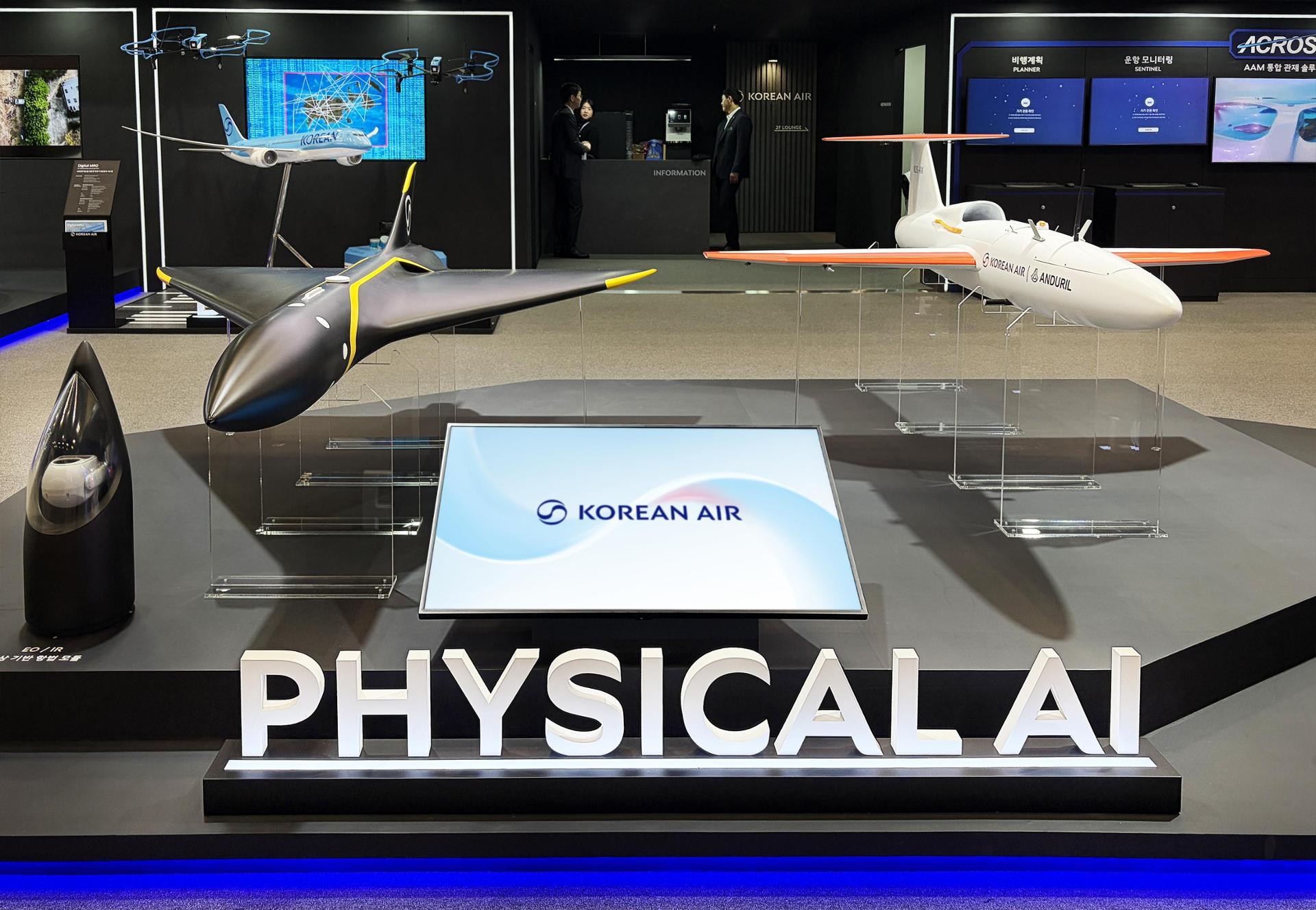
Comprehensive Summarization: Korean Air is advancing the development of its next-generation high-speed unmanned target drones, integrating advanced artificial intelligence (AI)...
Read moreDetails