






No products in the cart.
- Latest
- Trending


Comprehensive Summarization:
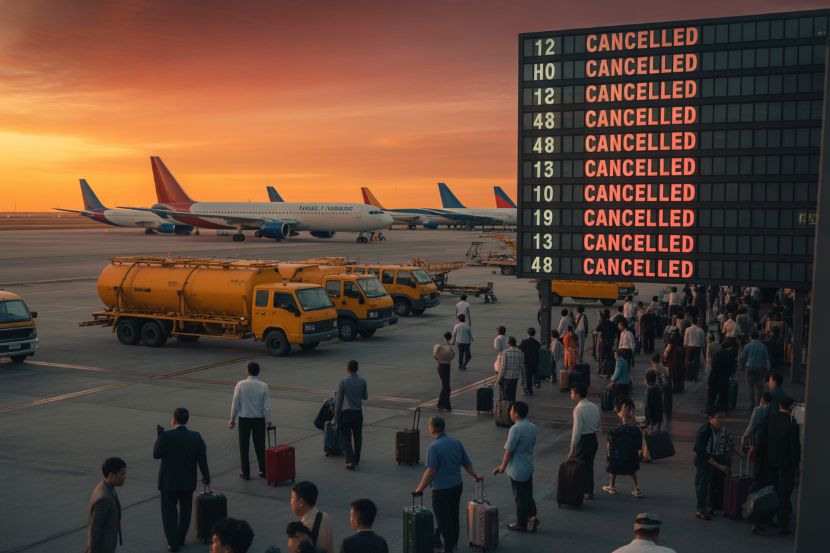
The article reports significant disruptions in air travel across the United Arab Emirates (UAE) due to over 50 flight cancellations by major airlines including Gulf Air, FlyDubai, Etihad, and Qatar Airways. These cancellations affect routes to destinations such as Bahrain, Cairo, Doha, Prague, Warsaw, and Belgrade, impacting travelers at Dubai, Abu Dhabi, Sharjah, and Al Maktoum airports. The disruptions highlight the vulnerability of the UAE’s travel sector to operational challenges, potentially affecting both leisure and business travel plans in the region.
Key Points:
Actionable Takeaways:
Implement Flexible Booking Policies: Travel agencies and airlines should consider offering flexible cancellation and rescheduling options to mitigate the impact of flight disruptions on customers. This can enhance customer satisfaction and loyalty during uncertain travel periods.
Enhance Communication with Travelers: Airlines should improve communication strategies to promptly inform passengers about cancellations and provide alternative travel options. Real-time updates via mobile apps and email can help manage traveler expectations and reduce anxiety associated with flight disruptions.
Invest in Resilient IT Systems: The article underscores the need for robust IT infrastructure to handle operational challenges. Airlines should invest in advanced reservation and tracking systems to minimize disruptions and ensure smooth operations, especially during peak travel seasons.
Contextual Insights:
The disruptions in UAE air travel reflect broader challenges faced by the global travel industry, particularly in regions with high tourist and business traffic. The UAE’s travel sector, a key component of its economy, must adapt to such operational challenges to maintain its competitive edge. Recent trends indicate a growing emphasis on digital transformation and operational resilience in the travel industry. Innovations in travel tech, such as AI-driven customer service and real-time flight tracking, are becoming essential for airlines to navigate disruptions effectively. Moreover, the article aligns with the increasing focus on sustainability and safety in travel, as airlines strive to rebuild trust with travelers amidst frequent disruptions. By adopting proactive measures and leveraging technological advancements, the travel industry can better withstand and recover from operational setbacks, ensuring a resilient future.
Read the Complete Article.
Get curated travel AI insights — choose the newsletters that matter to you.
This spot is reserved for brands with a compelling story for the travel trade. They use this space to cut...
Read moreDetailsALTOUR Expands into Thailand, Strengthening Corporate Travel Network Across Southeast Asia BANGKOK, THAILAND (25 March, 2026) – ALTOUR, a leading...
Read moreDetails

Comprehensive Summarization: The article reports significant disruptions in air travel across the United Arab Emirates (UAE) due to over 50...
Read moreDetails