







No products in the cart.
- Latest
- Trending

Comprehensive Summarization:
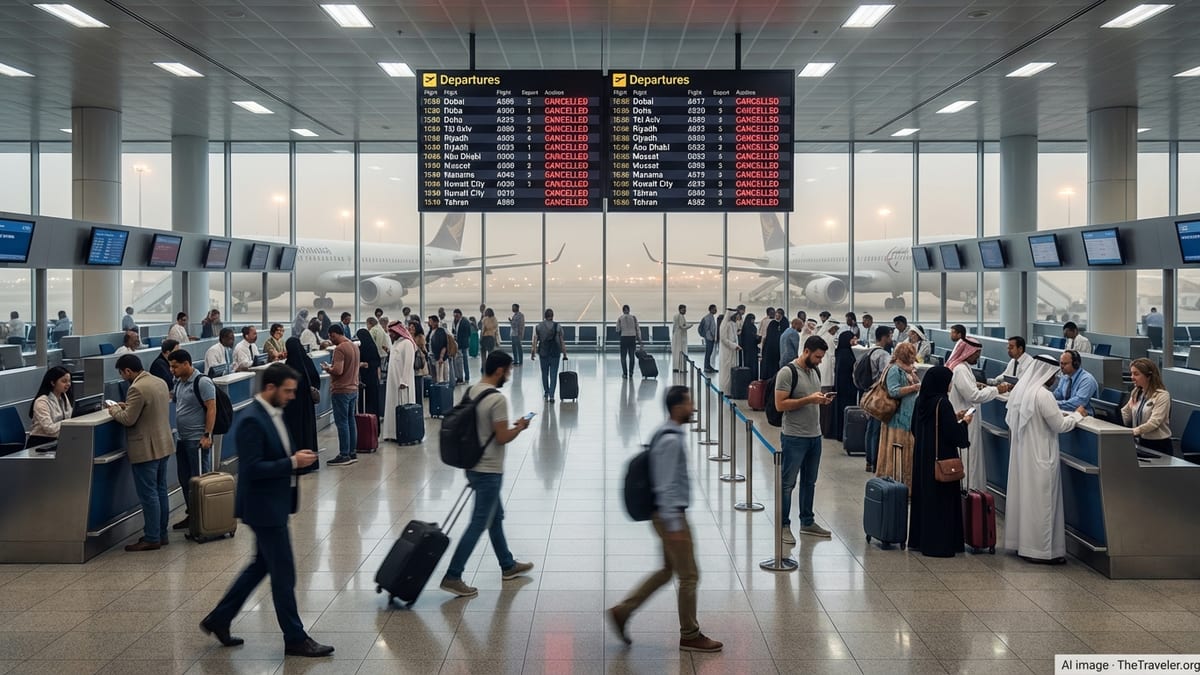
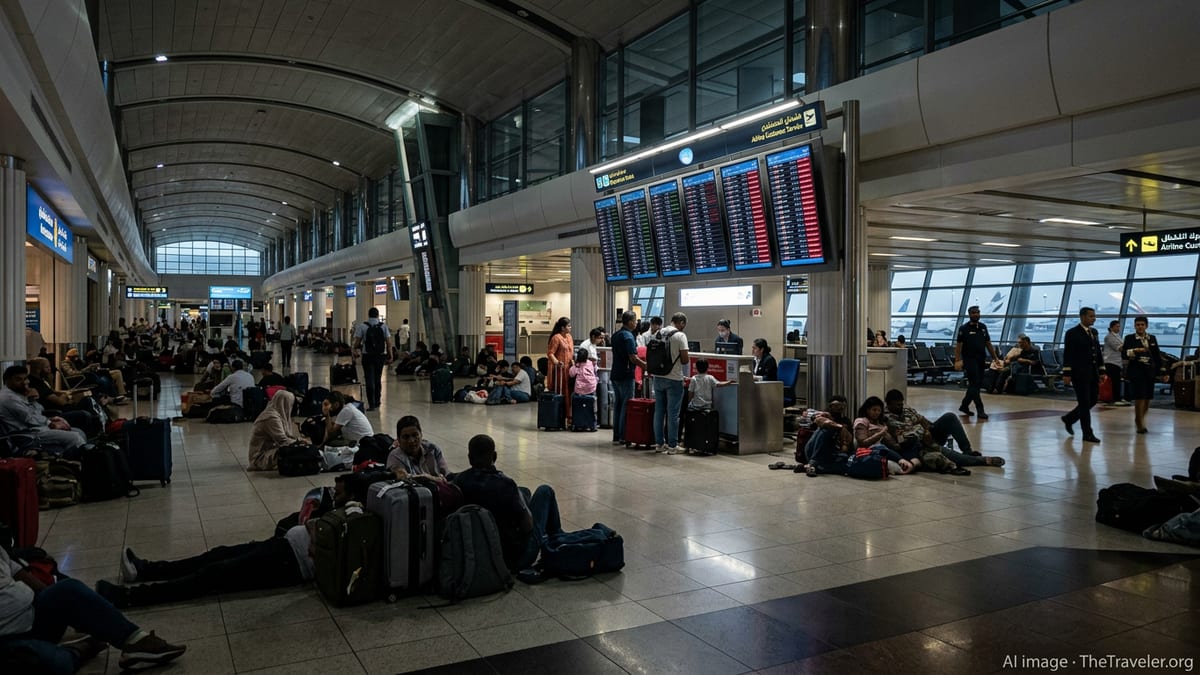
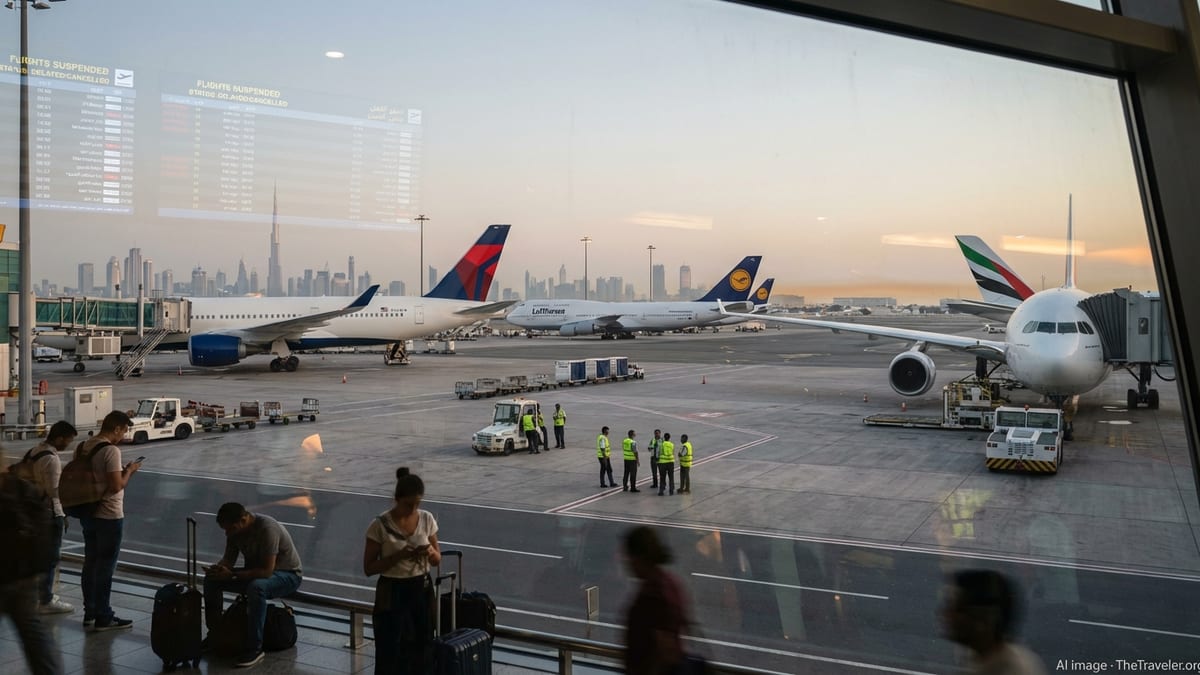
The article reports on significant disruptions faced by passengers across the Middle East due to flight cancellations and delays by major airlines including Saudia, Air Arabia, FlyDubai, and EgyptAir. These disruptions have impacted travel through key hubs in Saudi Arabia and the United Arab Emirates, particularly in Jeddah, Riyadh, Dubai, and Abu Dhabi. The grounding of flights has caused widespread travel issues, affecting both domestic and international travelers in the region.
Key Points:
Actionable Takeaways:
Proactive Communication: Airlines should enhance their communication strategies to promptly inform passengers about flight cancellations and delays. This can help manage passenger expectations and reduce anxiety, thereby mitigating the negative impact on the travel experience.
Invest in Resilient IT Systems: The disruptions highlight the importance of robust IT systems in managing flight operations. Airlines should invest in advanced technologies to improve real-time tracking and management of flight statuses, ensuring quicker response times to unforeseen issues.
Collaborative Solutions: There is an opportunity for airlines to collaborate more closely, sharing resources and information to better manage disruptions. This could include joint contingency planning and coordinated communication efforts to minimize the impact on travelers.
Contextual Understanding:
The article reflects the ongoing challenges faced by the Middle East travel industry, particularly in light of recent geopolitical tensions and flight restrictions. The disruptions underscore the vulnerability of the travel sector to external factors and the need for robust contingency planning. Recent trends indicate a growing reliance on technology to enhance operational efficiency and passenger experience. Innovations in travel tech, such as real-time tracking systems and improved communication platforms, are becoming increasingly vital for airlines to navigate such disruptions effectively.
Handling Different Article Types:
The article is a news blurb, providing factual information about recent flight disruptions in the Middle East. The summary, key points, and actionable takeaways are structured to reflect the concise nature of such articles, focusing on the core facts and their implications for the travel industry.
Read the Complete Article.
Get curated travel AI insights — choose the newsletters that matter to you.
ALTOUR Expands into Thailand, Strengthening Corporate Travel Network Across Southeast Asia BANGKOK, THAILAND (25 March, 2026) – ALTOUR, a leading...
Read moreDetails


Comprehensive Summarization: The article highlights Thailand's tourism ministry's concern over the potential impact of the ongoing Middle East conflict on...
Read moreDetails