






















Travel Capitalist Ventures Expands Check Size to $10 Million to Deepen Emerging Market Conviction
Boutique Travel VC raises investment cap from $1.5M to $10M to lead rounds and support portfolio companies through growth Travel...
Read moreDetails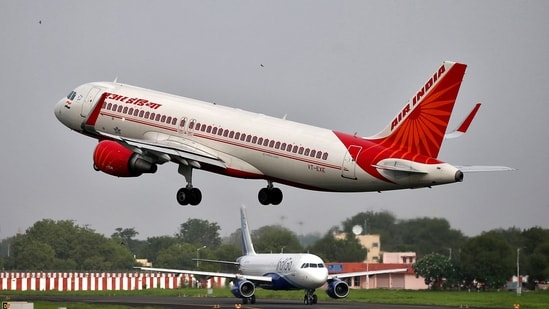


Comprehensive Summarization:
The article reports on significant disruptions in the Middle East travel sector, with FlyDubai, Egypt Air, Saudia, Lufthansa, Berniq Airways, and Air Arabia collectively facing 19 flight cancellations and multiple delays. This disruption affects major cities including Dubai, Abu Dhabi, Riyadh, and Cairo. The article underscores the challenges faced by these airlines, highlighting the impact on travelers and the broader travel industry. It also touches on the broader context of travel and tourism trends, emphasizing the need for resilience and adaptability in the face of operational challenges.
Key Points:
Flight Disruptions Across Major Middle Eastern Cities: FlyDubai, Egypt Air, Saudia, Lufthansa, Berniq Airways, and Air Arabia collectively experience 19 flight cancellations and multiple delays, impacting major cities such as Dubai, Abu Dhabi, Riyadh, and Cairo.
Impact on Travelers and Industry: The disruptions significantly affect travelers’ plans and schedules, leading to inconvenience and potential financial losses. This situation also highlights the vulnerabilities in the travel infrastructure and the need for robust contingency planning.
Broader Travel Industry Context: The article serves as a reminder of the dynamic nature of the travel industry, where external factors such as operational issues can have widespread impacts. It also underscores the importance of staying informed about travel advisories and updates from airlines.
Actionable Takeaways:
Implement Flexible Booking Policies: Airlines should consider offering flexible booking options that allow passengers to modify or cancel flights with minimal penalties. This can help mitigate the impact of unforeseen disruptions on travelers and reduce financial losses for airlines.
Enhance Communication Protocols: Airlines must improve their communication strategies to promptly inform passengers about flight changes or cancellations. Clear and timely communication can help manage traveler expectations and reduce frustration during disruptions.
Invest in Resilient Infrastructure: The travel industry should invest in resilient infrastructure and contingency planning to better handle operational challenges. This includes developing backup systems for critical operations and ensuring that airlines have the resources to manage unexpected disruptions effectively.
Contextual Insights:
The disruptions in the Middle East travel sector reflect the broader challenges faced by the global travel industry, where operational issues can have far-reaching consequences. The article aligns with current industry trends emphasizing the need for adaptability and resilience. As travel technology continues to evolve, innovations in booking systems, communication platforms, and contingency planning will play a crucial role in mitigating the impact of such disruptions. Thought leaders suggest that the industry must also focus on enhancing customer experience during such challenging times, leveraging digital tools to provide support and reassurance to travelers. This situation highlights the importance of continuous improvement in travel services and the role of technology in ensuring smooth operations even in the face of adversity.
Read the Complete Article.
Boutique Travel VC raises investment cap from $1.5M to $10M to lead rounds and support portfolio companies through growth Travel...
Read moreDetails



