
























Travel Capitalist Ventures Expands Check Size to $10 Million to Deepen Emerging Market Conviction
Boutique Travel VC raises investment cap from $1.5M to $10M to lead rounds and support portfolio companies through growth Travel...
Read moreDetails

Comprehensive Summarization:
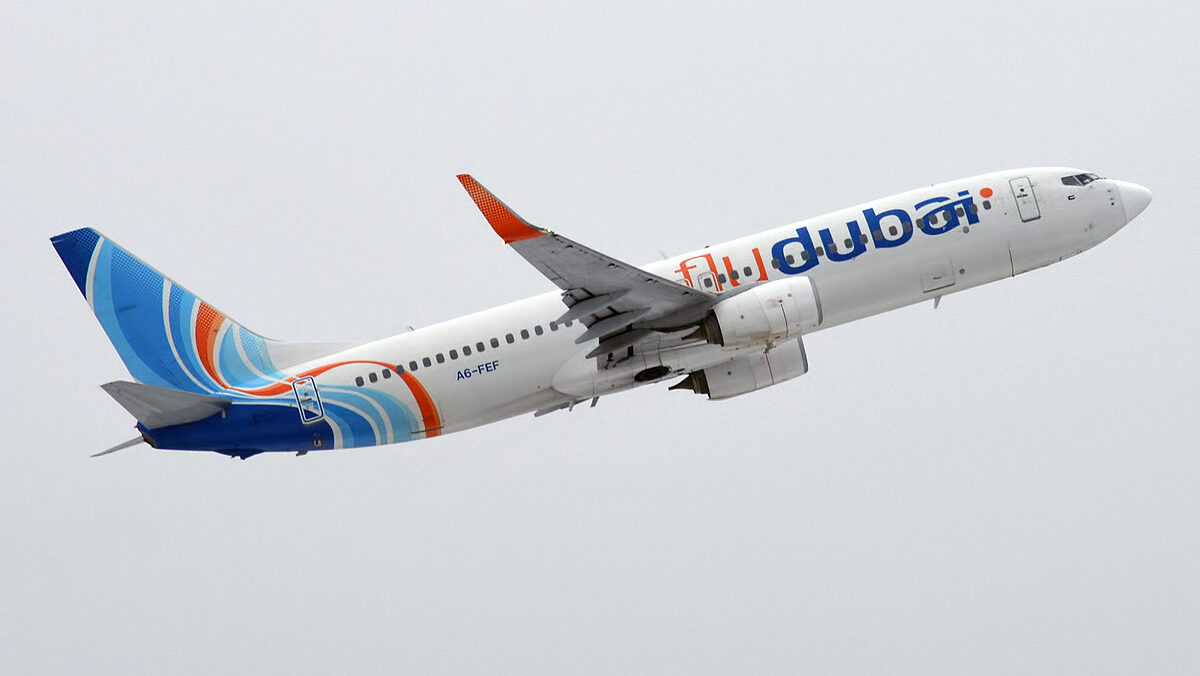
The article reports on significant travel disruptions affecting passengers in the UAE due to the cancellation of over 20 flights operated by Saudia Airlines, Flydubai, and Air Arabia. These cancellations have impacted routes to major cities including Jeddah, Cairo, Baghdad, Erbil, Addis Ababa, and Zurich, disrupting travel plans for numerous passengers. The disruption highlights ongoing challenges in the travel industry, particularly in managing flight operations and ensuring passenger safety and satisfaction during unforeseen circumstances. The article also touches on broader travel and tourism trends, emphasizing the need for robust contingency plans and effective communication strategies to mitigate the impact of such disruptions on the travel industry.
Key Points:
Actionable Takeaways:
Enhanced Communication Protocols: Travel companies should implement robust communication protocols to promptly inform passengers of cancellations and provide alternative travel options. This ensures passenger safety and satisfaction, maintaining trust and loyalty in the face of disruptions.
Robust Contingency Planning: Airlines and airports should develop comprehensive contingency plans to swiftly manage flight cancellations. This includes real-time updates, alternative routing options, and support services for affected passengers, thereby minimizing the impact on travel operations and passenger experience.
Investment in Technology: The travel industry should invest in advanced technology solutions for real-time flight tracking, automated communication systems, and customer support platforms. These technologies can enhance operational efficiency, improve passenger experience, and ensure quick recovery from disruptions.
Contextual Insights:
The recent travel disruptions in the UAE highlight the critical need for resilience and adaptability within the travel industry. The cancellations by Saudia Airlines, Flydubai, and Air Arabia underscore the vulnerabilities in flight operations and the importance of effective communication and contingency planning. As the travel industry continues to evolve, integrating cutting-edge technologies such as AI-driven customer support and real-time tracking systems will be crucial. These innovations not only enhance operational efficiency but also improve passenger experience, ensuring that disruptions are managed swiftly and effectively. Furthermore, the article aligns with current industry trends emphasizing the importance of proactive risk management and customer-centric strategies to navigate the complexities of modern travel.
Read the Complete Article.
Boutique Travel VC raises investment cap from $1.5M to $10M to lead rounds and support portfolio companies through growth Travel...
Read moreDetails



