










No products in the cart.
- Latest
- Trending


Travelers Stranded at King Abdulaziz International Airport as Qatar Airways, IndiGo, FlyDubai, Gulf ...
Comprehensive Summarization:
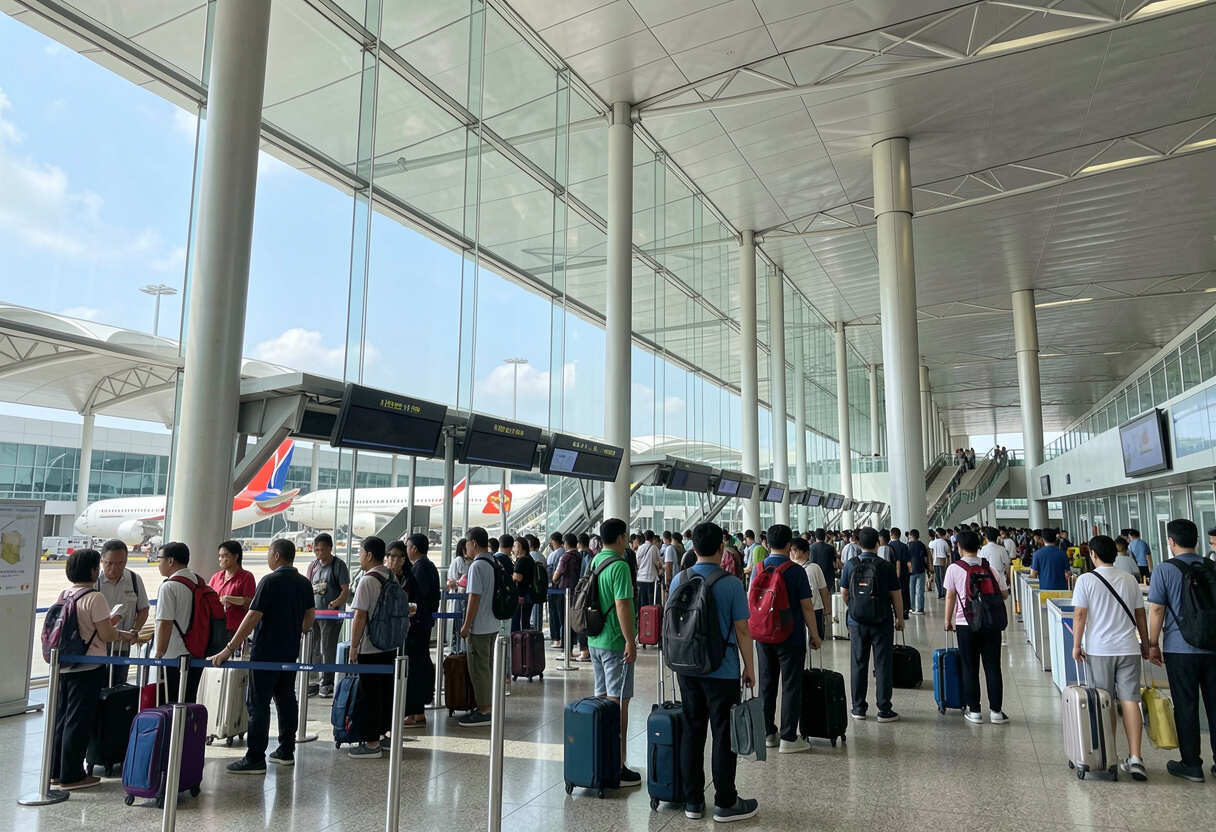
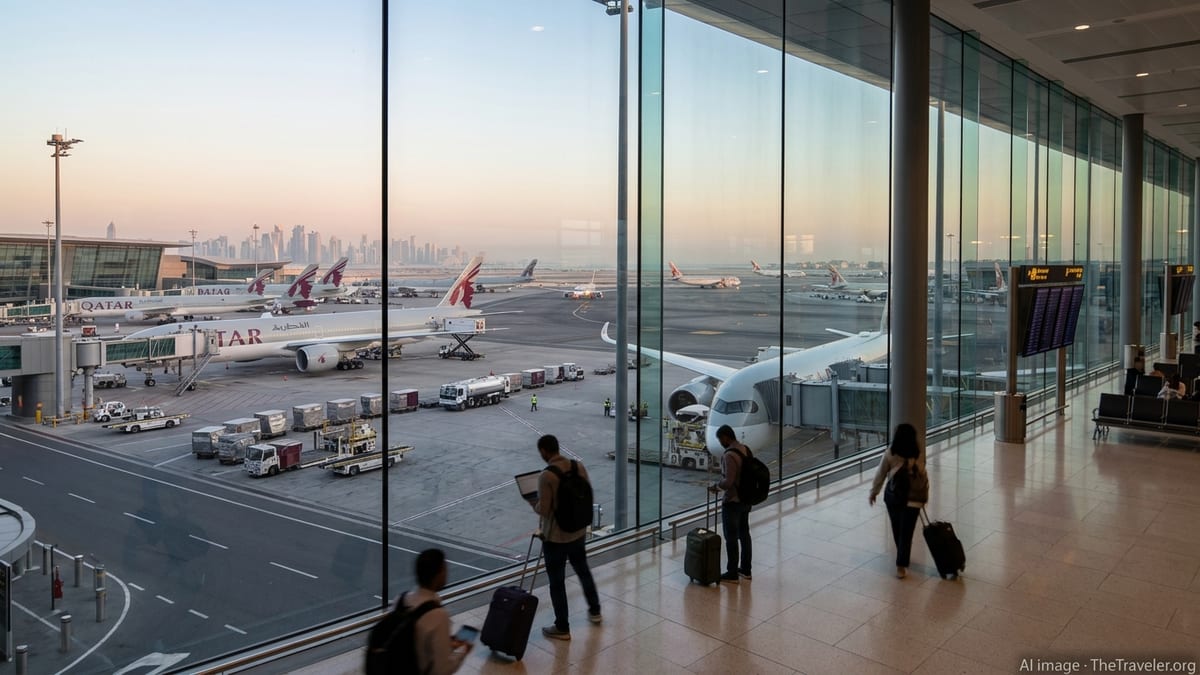
The article reports on a significant disruption at King Abdulaziz International Airport, affecting multiple airlines including Qatar Airways, IndiGo, FlyDubai, Gulf Air, Saudia, and others. This disruption led to 39 flight cancellations and numerous delays, impacting major cities such as Jeddah, Doha, Bahrain, Dubai, Dammam, and beyond. The situation has stranded travelers, highlighting the vulnerabilities in regional travel networks and the broader implications for the travel industry.
Key Points:
Actionable Takeaways:
Contextual Understanding:
The article reflects current challenges in the travel industry, particularly in managing operational disruptions and maintaining passenger trust. Recent trends indicate a growing reliance on technology to enhance operational efficiency and passenger experience. Innovations in travel tech, such as real-time flight tracking and AI-driven customer support, are becoming increasingly vital for airlines to navigate disruptions effectively. The incident also emphasizes the importance of robust communication strategies to manage traveler expectations and maintain brand reputation during crises.
Handling Different Article Types:
The article is a news blurb, providing factual information about a recent disruption in the travel industry. The summary, key points, and actionable takeaways are structured to reflect the factual nature of the content, ensuring clarity and relevance for a professional audience. The contextual insights integrate current travel trends and industry expert opinions to provide forward-looking perspectives on the implications of such disruptions.
Read the Complete Article.
Get curated travel AI insights — choose the newsletters that matter to you.
ALTOUR Expands into Thailand, Strengthening Corporate Travel Network Across Southeast Asia BANGKOK, THAILAND (25 March, 2026) – ALTOUR, a leading...
Read moreDetails


Comprehensive Summarization: The International Air Transport Association (IATA) has announced that Pika Aero and DGM France have each won the...
Read moreDetails