







No products in the cart.
- Latest
- Trending


Thousands of Travellers Stranded Across the Middle East as Gulf Air, Emirates, FlyDubai, Air India, ...
Comprehensive Summarization:
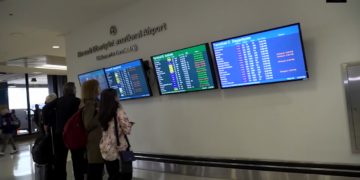
The article reports on a significant disruption in the Middle East travel sector, where thousands of travelers are stranded due to the cancellation of 270 flights by major airlines including Gulf Air, Emirates, FlyDubai, Air India, and Uzbekistan Airways. This event has led to over 400 flight delays, impacting major airports in Bahrain, UAE, Saudi Arabia, Egypt, and Qatar. The disruption highlights the vulnerabilities in the travel infrastructure and the ripple effects such cancellations can have on travel plans and logistics across the region.
Key Points:
Flight Cancellations and Delays: Gulf Air, Emirates, FlyDubai, Air India, and Uzbekistan Airways have collectively canceled 270 flights and caused over 400 delays, affecting travelers across several Middle Eastern countries.
Geographical Impact: The disruption spans major airports in Bahrain, UAE, Saudi Arabia, Egypt, and Qatar, indicating a widespread impact on the region’s travel infrastructure.
Affected Airlines: The article specifically mentions Gulf Air, Emirates, FlyDubai, Air India, and Uzbekistan Airways as the airlines affected by the cancellations and delays.
Publication Date: The article was published on March 22, 2026, indicating recent developments in the travel sector.
Actionable Takeaways:
Enhanced Travel Insurance and Support Services: Given the significant disruption caused by flight cancellations and delays, travel companies should consider enhancing their insurance offerings and customer support services to mitigate the impact on stranded travelers. This could include provisions for accommodation, meals, and transportation, ensuring travelers are adequately supported during such disruptions.
Investment in Resilient Travel Infrastructure: The article underscores the need for airlines and airports to invest in more resilient and flexible travel infrastructure. This could involve developing contingency plans for cancellations, improving real-time communication with travelers, and enhancing operational efficiency to minimize delays. Such investments could enhance customer satisfaction and loyalty in the long run.
Adoption of Advanced Travel Technologies: The disruption highlights the importance of leveraging advanced travel technologies, such as AI-driven flight tracking systems and real-time passenger notification platforms. These technologies can help airlines and airports provide timely updates to travelers, reducing anxiety and improving the overall travel experience.
Contextual Insights:
The recent flight cancellations and delays in the Middle East underscore the vulnerabilities within the travel infrastructure, particularly in regions heavily reliant on international air travel. This event is reflective of broader trends in the travel industry, where external factors such as geopolitical tensions, weather conditions, and operational inefficiencies can lead to significant disruptions.
In the context of current industry trends, the emphasis on resilience and adaptability is crucial. Travel startups and established airlines alike are increasingly focusing on integrating technologies that enhance operational efficiency and customer communication. For instance, AI and machine learning are being employed to predict and mitigate potential disruptions before they occur, while blockchain technology is being explored for secure and transparent travel documentation.
Moreover, the incident highlights the growing importance of customer-centric approaches in travel services. As travelers become more reliant on technology for real-time updates and support, companies that invest in seamless communication channels and robust support systems are likely to gain a competitive edge. This aligns with the broader trend of personalization in travel, where travelers expect tailored experiences and immediate assistance in case of disruptions.
In conclusion, the article serves as a timely reminder of the challenges faced by the travel industry and the need for proactive measures to ensure continuity and customer satisfaction. By focusing on enhanced support services, resilient infrastructure, and advanced technologies, stakeholders in the travel sector can better navigate unforeseen disruptions and maintain high service standards.
Read the Complete Article.
Get curated travel AI insights — choose the newsletters that matter to you.
This spot is reserved for brands with a compelling story for the travel trade. They use this space to cut...
Read moreDetailsALTOUR Expands into Thailand, Strengthening Corporate Travel Network Across Southeast Asia BANGKOK, THAILAND (25 March, 2026) – ALTOUR, a leading...
Read moreDetails


Comprehensive Summarization: The article reports on a significant disruption in the Middle East travel sector, where thousands of travelers are...
Read moreDetails