









No products in the cart.
- Latest
- Trending


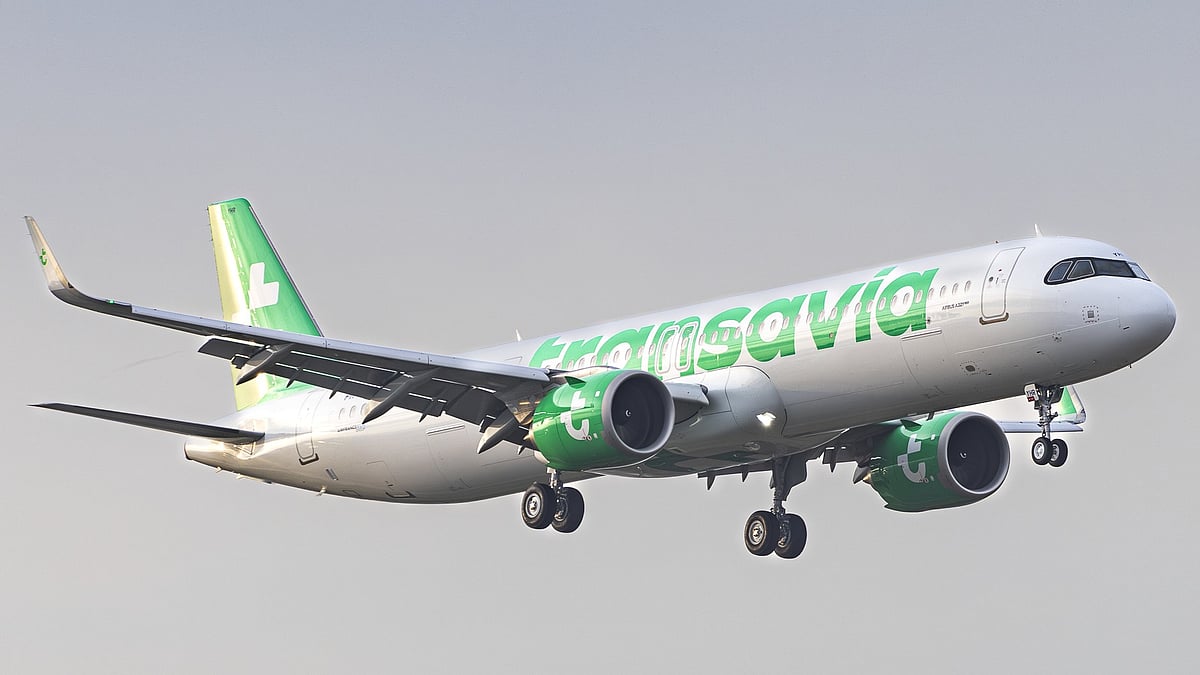
The Dutch low-cost carrier has cancelled all flights to and from Dubai until February 13, citing airspace restrictions linked to regional tensions.
Comprehensive Summarization:
The article discusses the safety of Dubai despite flight route challenges. The airline emphasizes that the issue is not related to conditions in Dubai itself but rather the flight paths required to reach the airport. Current restrictions limit aircraft to crossing certain parts of the Middle East during daylight hours, which, combined with limited landing and take-off availability at Dubai International, poses challenges for airlines like Transavia. The article also touches on how passengers will be notified of cancellations, indicating that the main person on board will be responsible for communication.
Key Points:
Actionable Takeaways:
Route Optimization: Airlines should explore alternative flight paths or times to circumvent current restrictions, potentially improving operational efficiency and passenger satisfaction. This is relevant as it directly addresses the core issue highlighted in the article and could lead to more resilient travel planning.
Enhanced Passenger Communication: Establishing clear protocols for passenger notification in case of cancellations can improve transparency and trust. This takeaway is crucial as it directly impacts passenger experience and could set a new standard for communication in the travel industry.
Leveraging Technology for Flexibility: Investing in advanced flight tracking and scheduling technologies can help airlines adapt to changing restrictions more effectively. This aligns with current industry trends towards technological innovation in travel, potentially opening new opportunities for startups specializing in travel tech solutions.
Contextual Insights:
The article reflects the ongoing challenges faced by the aviation industry due to current restrictions, which are common across the globe. It highlights the importance of adaptability and innovation in maintaining safety and service quality. The emphasis on daylight flight paths and limited landing availability underscores the need for flexible scheduling and route planning. From a forward-looking perspective, this situation could spur advancements in travel technology, particularly in real-time flight tracking and dynamic routing solutions. Additionally, the focus on passenger communication signals a growing trend towards transparency and customer-centric practices in the travel sector. These insights are crucial for travel startups and fintech companies looking to innovate in areas such as dynamic pricing, travel insurance, and customer engagement platforms.
Read the Complete Article.
Get curated travel AI insights — choose the newsletters that matter to you.
ALTOUR Expands into Thailand, Strengthening Corporate Travel Network Across Southeast Asia BANGKOK, THAILAND (25 March, 2026) – ALTOUR, a leading...
Read moreDetails


Comprehensive Summarization: The article reports on Air Canada's strategic move to launch new direct flights between Toronto and New York...
Read moreDetails