









No products in the cart.
- Latest
- Trending

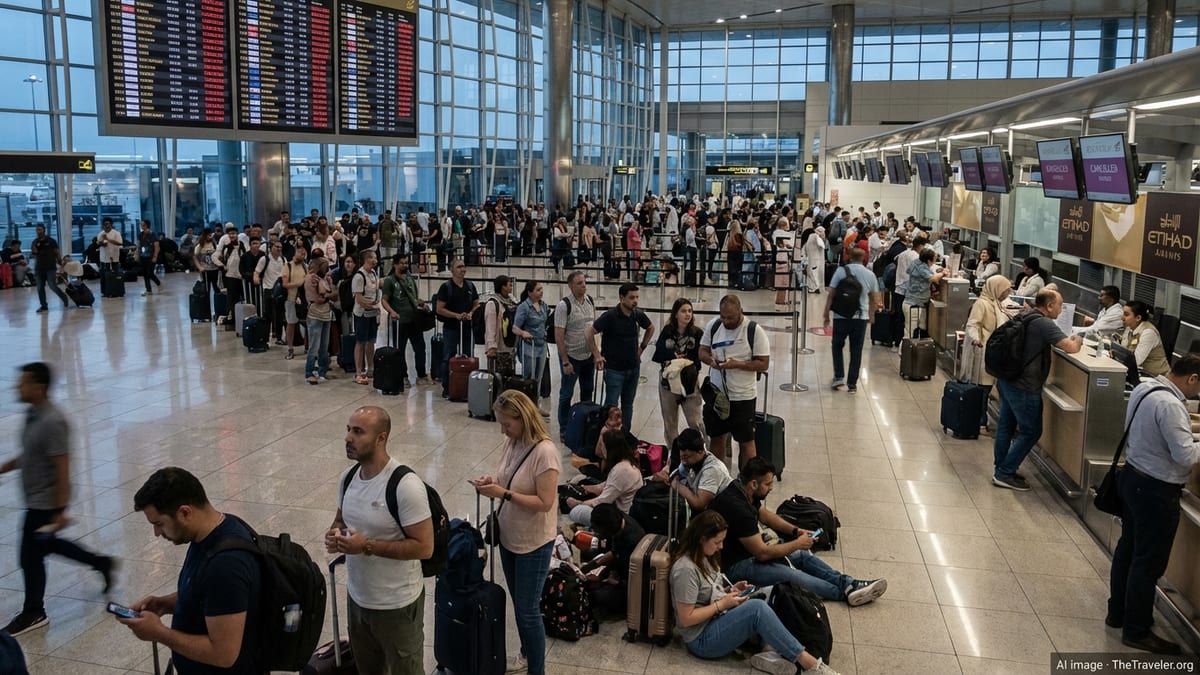
Flight Chaos Hits UAE Hubs as Carriers Cancel Hundreds
Comprehensive Summarization:
On March 31, 2026, Emirates, Etihad Airways, Flydubai, and IndiGo experienced significant disruptions with hundreds of their flights either cancelled or severely delayed. This disruption was primarily due to prolonged regional security tensions and airspace restrictions, which have been causing considerable disruption to passenger traffic into Dubai and Abu Dhabi. The situation has led to stranded tourists and rerouted travelers from India, the United States, and the United Kingdom, highlighting the ongoing challenges in the travel industry amidst heightened security concerns and operational constraints.
Key Points:
Actionable Takeaways:
Enhanced Security Protocols: Airlines should consider investing in advanced security technologies to mitigate risks associated with security tensions. This could include AI-driven threat detection systems and enhanced passenger screening processes, which could help prevent future disruptions.
Flexible Travel Policies: Travel companies should develop flexible booking and cancellation policies to accommodate travelers affected by unexpected disruptions. This could include offering free rescheduling or refunds, thereby maintaining customer trust and loyalty during turbulent times.
Diversification of Routes: To reduce dependency on specific routes and airports, airlines could explore diversifying their route networks. This could involve establishing new connections or increasing frequency on less congested routes, thereby providing alternative options for travelers and reducing the impact of airspace restrictions.
Contextual Insights:
The disruptions in flight operations due to security tensions and airspace restrictions underscore the vulnerability of the travel industry to geopolitical and operational challenges. This situation highlights the need for the industry to adopt more resilient strategies, such as leveraging technology for enhanced security and operational efficiency. Furthermore, the article aligns with current industry trends emphasizing the importance of adaptability and innovation in travel tech. As security concerns continue to evolve, there is a growing emphasis on integrating advanced technologies to ensure seamless and secure travel experiences. Startups focusing on travel tech, particularly in areas like AI-driven security solutions and flexible booking systems, are likely to see increased demand as the industry seeks to navigate these challenges. This context suggests a forward-looking perspective where innovation and adaptability are key to sustaining growth and resilience in the face of ongoing disruptions.
Read the Complete Article.
Get curated travel AI insights — choose the newsletters that matter to you.
ALTOUR Expands into Thailand, Strengthening Corporate Travel Network Across Southeast Asia BANGKOK, THAILAND (25 March, 2026) – ALTOUR, a leading...
Read moreDetails


Comprehensive Summarization: On March 31, 2026, Emirates, Etihad Airways, Flydubai, and IndiGo experienced significant disruptions with hundreds of their flights...
Read moreDetails