






No products in the cart.
- Latest
- Trending


Comprehensive Summarization:
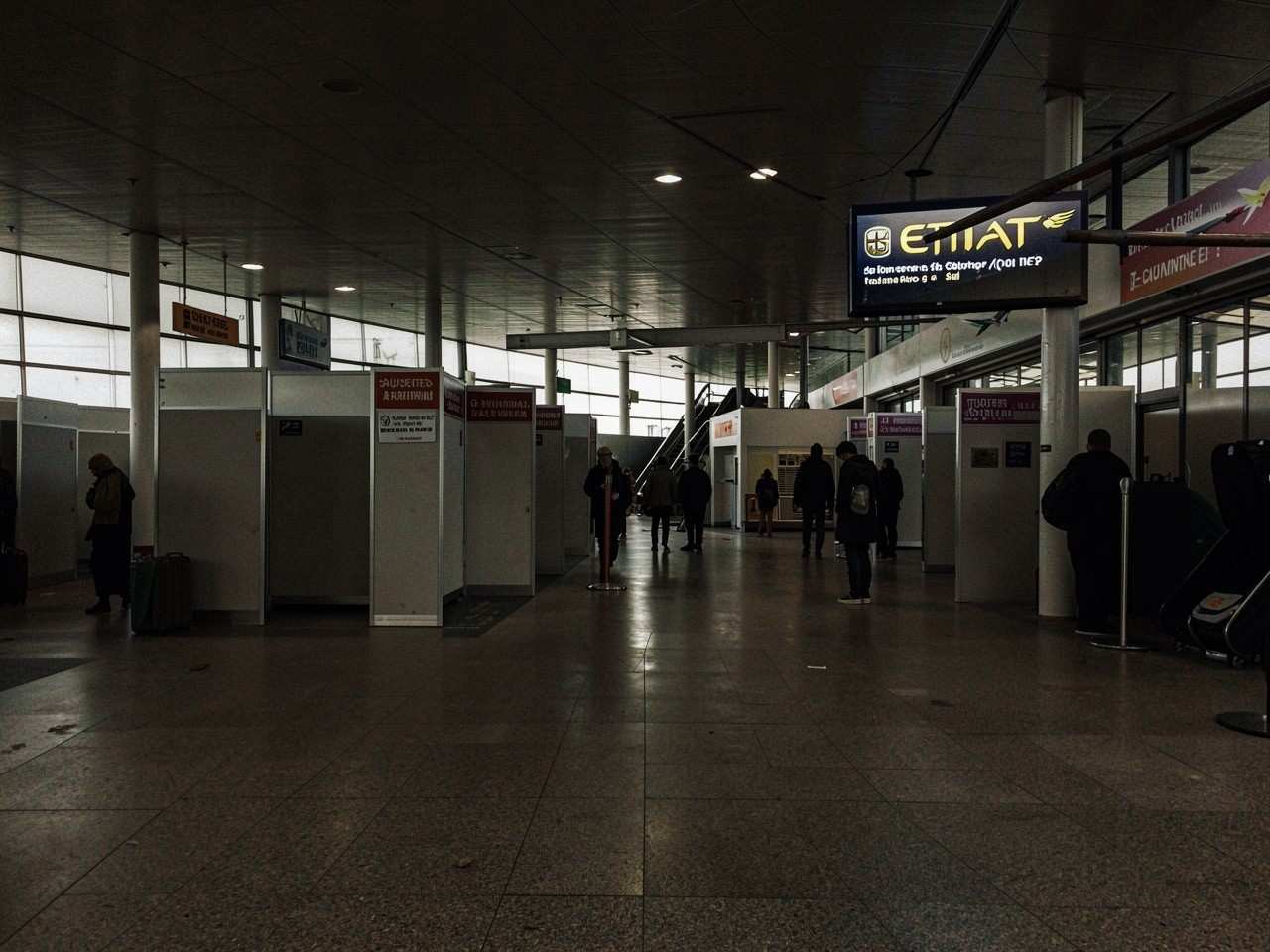
The article reports an unprecedented disruption in the Middle East travel sector, where thousands of passengers have been isolated due to the cancellation of 219 flights and 299 delays by airlines such as Gulf Air, Emirates, FlyDubai, Air France, and others. The affected regions include the UAE, Bahrain, Kuwait, Saudi Arabia, and others. Major airports in Dubai, Riyadh, Munich, Rome, and New York are impacted by this disruption. The article highlights the significant operational challenges faced by airlines and passengers in the region, emphasizing the need for robust contingency plans and flexible travel arrangements in the face of such disruptions.
Key Points:
Actionable Takeaways:
Implement Flexible Cancellation Policies: Airlines should consider adopting more flexible cancellation policies to accommodate unforeseen disruptions. This can help mitigate passenger inconvenience and maintain trust in the airline brand.
Enhance Communication Protocols: Improve communication strategies to promptly inform passengers about flight changes or cancellations. Real-time updates via mobile apps, emails, and social media can significantly reduce passenger anxiety and improve overall satisfaction.
Invest in Resilient IT Systems: Strengthen IT infrastructure to ensure robust handling of operational disruptions. This includes developing backup systems and contingency plans to minimize flight cancellations and delays, thereby enhancing operational resilience.
Contextual Insights:
The recent disruption in the Middle East travel sector highlights the sector’s susceptibility to operational challenges, particularly in regions with high air traffic and multiple time zones. This incident underscores the importance of robust contingency planning and flexible operational strategies in the travel industry. As the travel sector continues to evolve, with increasing reliance on technology and global connectivity, the ability to swiftly adapt to disruptions will be crucial. Thought leaders in the travel industry emphasize the need for continuous innovation in travel tech, fintech solutions, and customer service protocols to enhance resilience and maintain high service standards. The incident also serves as a reminder for stakeholders to invest in real-time communication systems and flexible policies to mitigate the impact of such disruptions on passengers and the airline’s reputation.
Read the Complete Article.
Get curated travel AI insights — choose the newsletters that matter to you.
This spot is reserved for brands with a compelling story for the travel trade. They use this space to cut...
Read moreDetailsALTOUR Expands into Thailand, Strengthening Corporate Travel Network Across Southeast Asia BANGKOK, THAILAND (25 March, 2026) – ALTOUR, a leading...
Read moreDetails

Comprehensive Summarization: The article discusses the current state of global equity markets, which are experiencing volatility due to geopolitical tensions...
Read moreDetails