






No products in the cart.
- Latest
- Trending

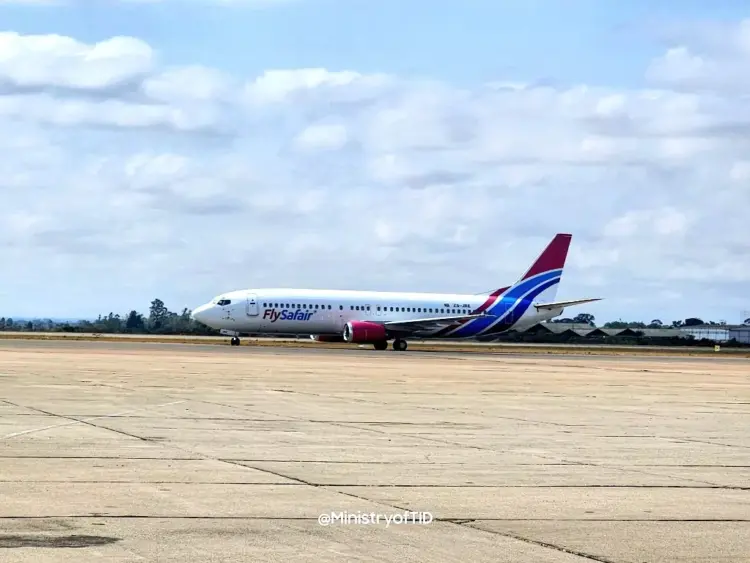
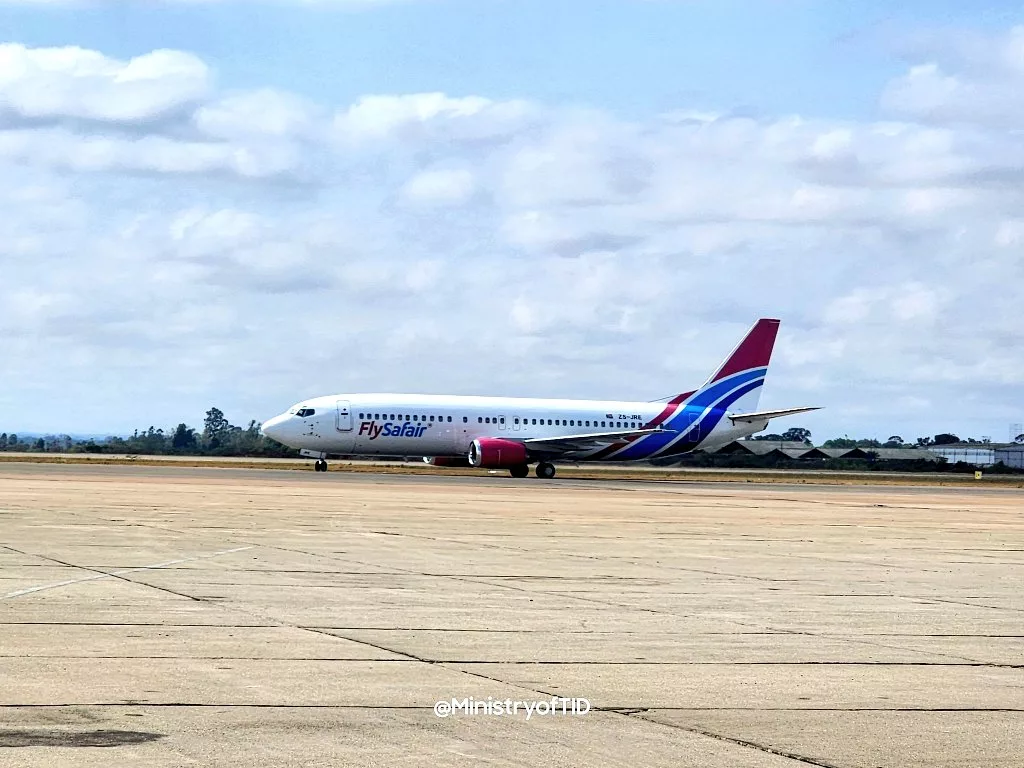
FlySafair adds extra Joburg–Harare flights
Comprehensive Summarization:
FlySafair, a regional airline in Southern Africa, has announced the addition of an extra daily return flight between Johannesburg’s OR Tambo International Airport and Harare’s Robert Gabriel Mugabe International Airport. This move comes as South Africans prepare for the Easter break, a period typically marked by increased travel activity. The airline’s decision to enhance its service on this busy regional route is a strategic response to anticipated demand, aiming to accommodate more travelers during the holiday season.
Key Points:
Actionable Takeaways:
Increased Flight Frequency: FlySafair’s addition of an extra daily flight demonstrates the airline’s proactive approach to meeting seasonal demand. This strategic move can enhance customer satisfaction by providing more travel options during peak travel times.
Meeting Seasonal Demand: The airline’s response to the anticipated surge in Easter travel highlights the importance of flexibility and adaptability in the travel industry. By adjusting flight schedules, airlines can better align their services with consumer needs, potentially leading to increased customer loyalty and market share.
Focus on Regional Routes: FlySafair’s decision to enhance service on a key regional route underscores the significance of optimizing existing routes rather than expanding to new markets. This approach can be more cost-effective and allows airlines to leverage established infrastructure and customer bases.
Contextual Insights:
The timing of FlySafair’s announcement aligns with broader travel trends, such as the increased demand for flights during major holidays. This move is reflective of a larger industry trend where airlines are leveraging data analytics and predictive modeling to anticipate and respond to fluctuating demand patterns. Furthermore, the focus on regional routes aligns with the growing trend of intra-regional travel, which is often more cost-effective and environmentally friendly compared to long-haul flights. As the travel industry continues to evolve, such strategic adjustments will be crucial for airlines to remain competitive and meet the dynamic needs of travelers.
Read the Complete Article.
Get curated travel AI insights — choose the newsletters that matter to you.
This spot is reserved for brands with a compelling story for the travel trade. They use this space to cut...
Read moreDetailsALTOUR Expands into Thailand, Strengthening Corporate Travel Network Across Southeast Asia BANGKOK, THAILAND (25 March, 2026) – ALTOUR, a leading...
Read moreDetails


Comprehensive Summarization: The article announces the establishment of a new professional network, the International Centre for Responsible Tourism (ICRT) in...
Read moreDetails