Comprehensive Summarization:
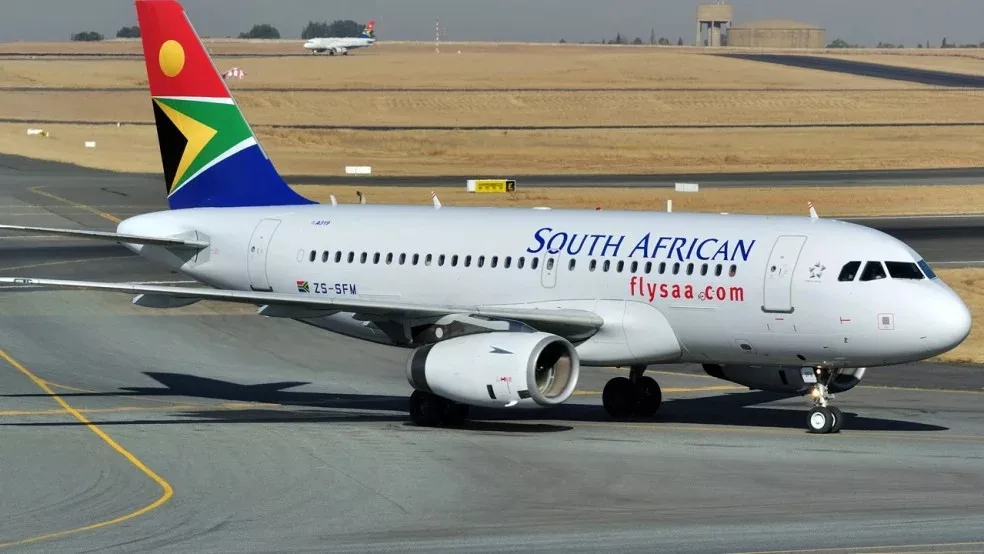
FlySafair, an airline, is currently investigating a minor collision that occurred between an airstairs vehicle and one of its Boeing aircraft at Cape Town International Airport (CTIA) on Monday. The incident, which took place at stand A9, resulted in a minor fuel leak that was promptly contained by airport fire and rescue services. Crucially, the article clarifies that there were no passengers on board at the time of the collision. Maryke Pienaar, a spokesperson for FlySafair, confirmed these details, emphasizing that the situation did not pose any immediate safety concerns to the airline’s operations or passengers.
Key Points:
- A minor collision occurred between an airstairs vehicle and a Boeing aircraft at Cape Town International Airport (CTIA).
- The collision caused a minor fuel leak, which was quickly contained by airport fire and rescue services.
- No passengers were on board the aircraft at the time of the incident.
- FlySafair’s spokesperson, Maryke Pienaar, confirmed the details of the incident, assuring that there were no immediate safety concerns.
Actionable Takeaways:
-
Incident Management and Safety Protocols: The incident underscores the importance of robust safety protocols and quick response mechanisms in aviation. Airports and airlines should ensure that emergency response teams are well-equipped and ready to handle minor incidents swiftly to prevent any escalation. This takeaway is crucial for maintaining passenger safety and operational continuity.
-
Communication and Transparency: Effective communication from the airline, as demonstrated by Maryke Pienaar’s confirmation of the incident details, is vital. Airlines should maintain transparency with their stakeholders, including passengers and the public, to build trust and manage expectations. This takeaway highlights the significance of clear and timely communication in crisis management.
Contextual Insights:
The incident at Cape Town International Airport reflects broader trends in the aviation industry, where safety and operational efficiency are paramount. Recent advancements in airport technology, such as automated vehicle systems and enhanced surveillance, are increasingly being adopted to prevent and manage such incidents. The focus on real-time incident reporting and response aligns with the growing emphasis on data-driven decision-making in the travel sector. Furthermore, the event highlights the need for continuous innovation in aviation safety technologies, as startups and established companies alike explore new solutions to enhance airport operations and passenger safety. This context positions the incident within the broader narrative of the travel industry’s ongoing efforts to integrate cutting-edge technologies and best practices to ensure safe and efficient travel experiences.
Read the Complete Article.