






No products in the cart.
- Latest
- Trending

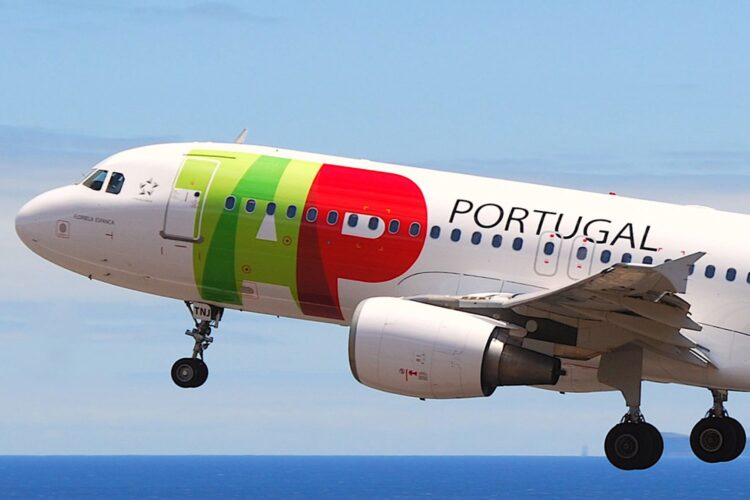
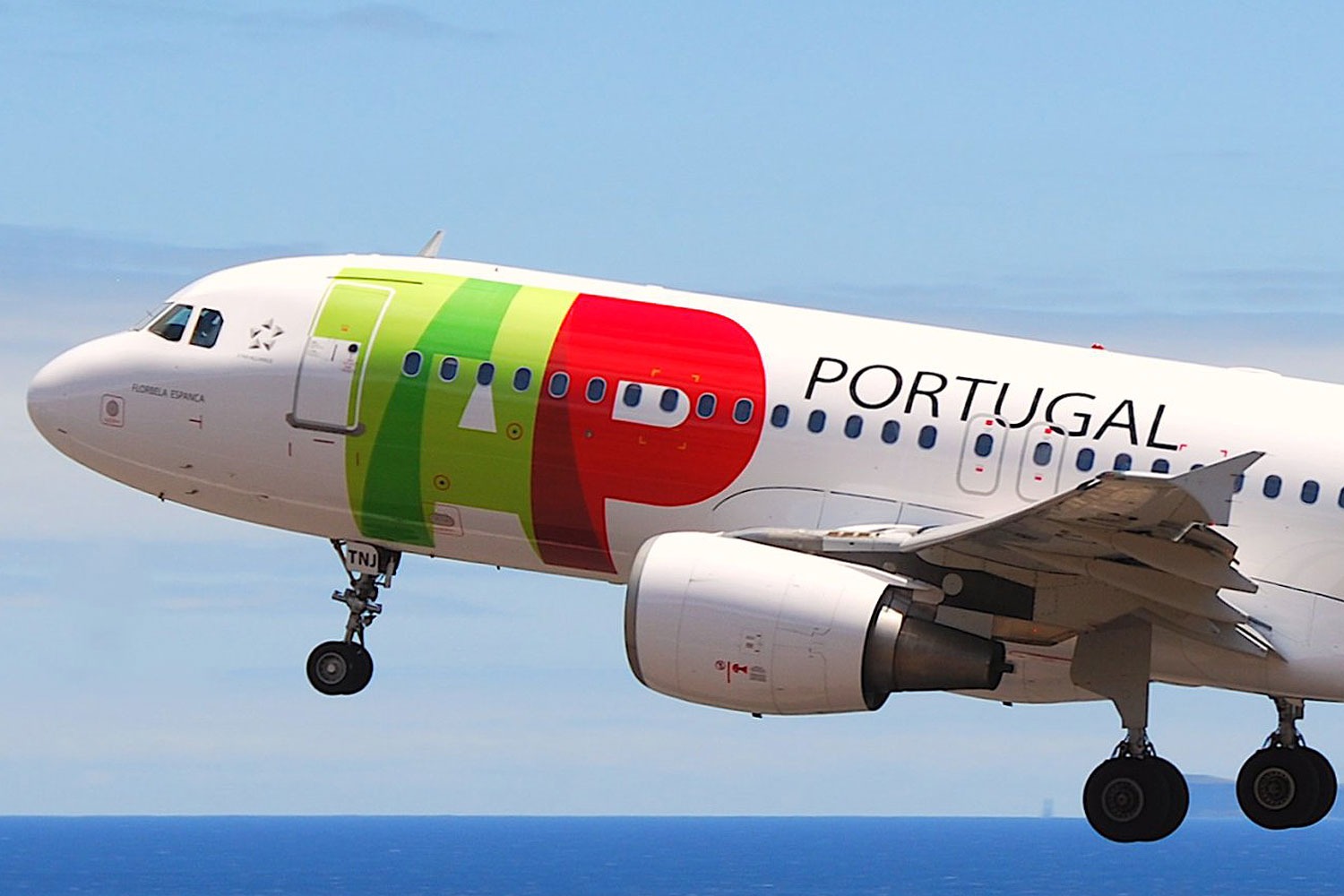
TAP Air Portugal Airbus A320 (Aero Icarus)
Comprehensive Summarization:
IAG Group, the British-Spanish airline holding company that owns British Airways and Iberia, has decided not to submit a non-binding offer for a minority stake in TAP Air Portugal. This decision leaves Air France-KLM and Lufthansa as the only airline groups advancing in the first phase of the process. IAG had previously shown interest in TAP Air Portugal but opted to prioritize growth opportunities within its existing portfolio. The article also touches on Portugal’s recent relaunch, though the specifics of this relaunch are not detailed in the provided text.
Key Points:
Actionable Takeaways:
Strategic Focus on Existing Portfolio: IAG’s decision to prioritize growth within its existing airline holdings suggests a strategic shift towards consolidating and optimizing its current assets. This approach may lead to increased efficiency and profitability within IAG’s existing operations, potentially setting a precedent for other holding companies in the airline sector to reassess their expansion strategies.
Competitive Landscape in Airline Acquisitions: The fact that only Air France-KLM and Lufthansa are advancing in the stake acquisition process indicates a competitive landscape where fewer players are willing to invest in minority stakes. This could be due to various factors, including market conditions, strategic priorities, or financial considerations. For other airline groups or investors, this highlights the importance of aligning acquisition strategies with market realities and competitive positioning.
Contextual Insights:
The decision by IAG not to pursue a stake in TAP Air Portugal reflects broader trends in the airline industry where strategic focus and resource allocation are becoming increasingly critical. With the aviation sector facing challenges such as fluctuating fuel prices, regulatory pressures, and shifting consumer preferences, companies like IAG are likely reevaluating their expansion strategies. The emphasis on leveraging existing assets and optimizing operations aligns with current industry trends towards operational efficiency and cost management.
Moreover, the competitive dynamics observed in the stake acquisition process underscore the importance of market positioning and strategic timing. As the travel industry continues to evolve, with emerging trends such as sustainable aviation, digital transformation, and enhanced customer experiences, companies must adapt their strategies to remain competitive. The insights from this article suggest that a balanced approach, focusing on operational excellence and strategic partnerships, will be key to navigating the complexities of the modern travel industry.
Read the Complete Article.
Get curated travel AI insights — choose the newsletters that matter to you.
ALTOUR Expands into Thailand, Strengthening Corporate Travel Network Across Southeast Asia BANGKOK, THAILAND (25 March, 2026) – ALTOUR, a leading...
Read moreDetails


Comprehensive Summarization: IAG Group, the British-Spanish airline holding company that owns British Airways and Iberia, has decided not to submit...
Read moreDetails