



No products in the cart.
- Latest
- Trending

IAG’s fleet lined up on the apron © International Airlines Group
Comprehensive Summarization:
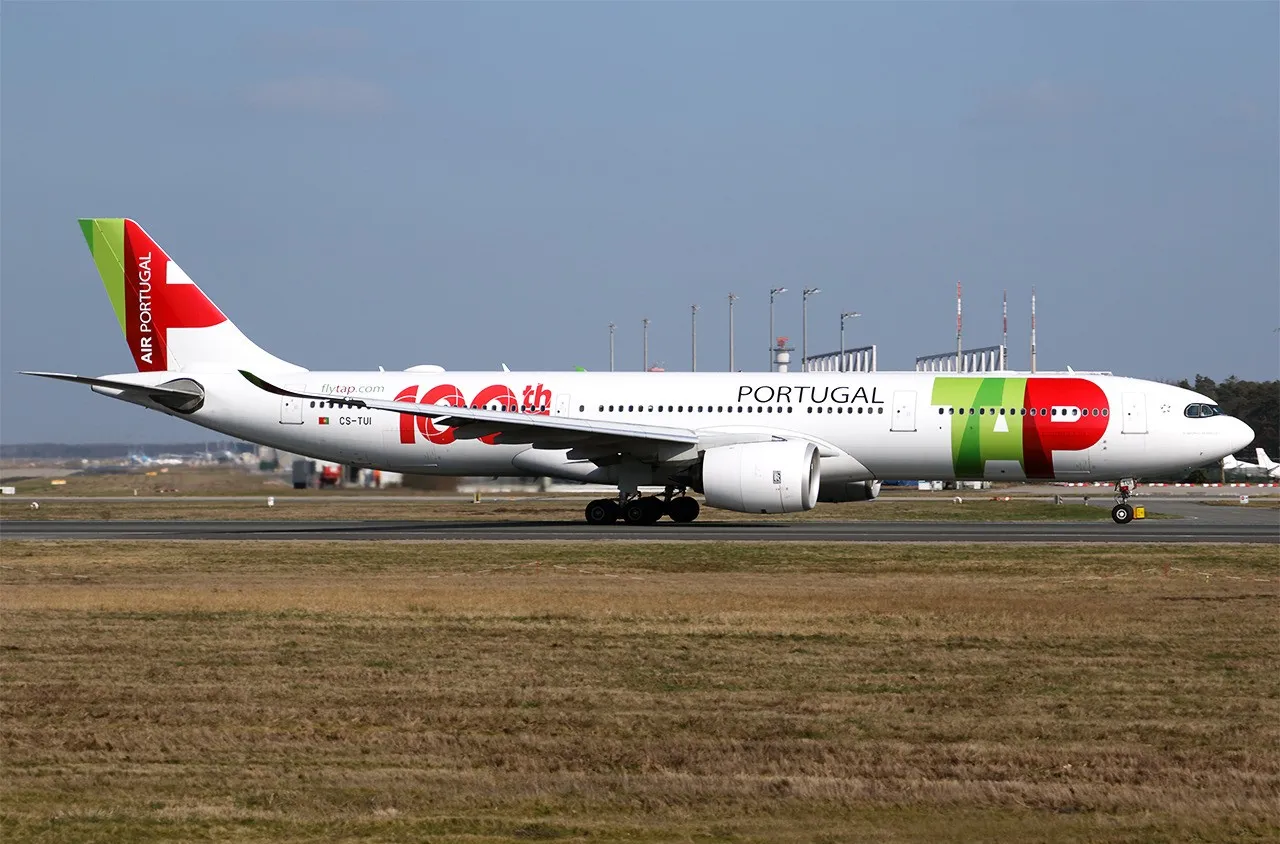
TAP Air Portugal (TP), a privatisation story marked by repeated disruptions due to political shifts in Portugal, is currently facing a significant development as IAG, the parent company of British Airways, Iberia, Aer Lingus, and LEVEL, is withdrawing its interest in acquiring TP. The non-binding offers for TP are due by April 2, 2026. This article provides a snapshot of the ongoing challenges and developments in the aviation sector, particularly focusing on the complexities surrounding the potential acquisition of TAP Air Portugal by IAG.
Key Points:
Actionable Takeaways:
Potential Market Uncertainty: The withdrawal of IAG’s interest in acquiring TAP Air Portugal may create market uncertainty in the Portuguese aviation sector. This could lead to a reassessment of the airline’s strategic direction and potential impact on its operations and market position. (Relevance: Understanding the implications of strategic shifts in the aviation sector is crucial for stakeholders, including investors, employees, and partners.)
Impact on Aviation Sector Dynamics: The ongoing privatisation process of TAP Air Portugal, amidst political shifts, underscores the dynamic nature of the aviation sector. It highlights the importance of political stability and strategic alignment in the acquisition and privatisation processes within the industry. (Relevance: For industry professionals, this insight is vital for navigating the complexities of mergers, acquisitions, and strategic partnerships in the aviation sector.)
Contextual Insights:
The article’s focus on TAP Air Portugal’s privatisation process amidst political shifts in Portugal provides a lens into the broader challenges faced by airlines in regions with volatile political climates. This context is particularly relevant in the current global landscape, where political stability is a key determinant of business environments. The withdrawal of IAG’s interest further emphasizes the sector’s sensitivity to strategic decisions and external factors. For travel startups and fintech innovations, this scenario underscores the need for adaptability and strategic foresight in navigating regulatory and political landscapes. The potential impact on aviation sector dynamics also highlights the importance of robust governance and strategic planning in ensuring the resilience and competitiveness of airlines in the face of such challenges.
Read the Complete Article.
Get curated travel AI insights — choose the newsletters that matter to you.
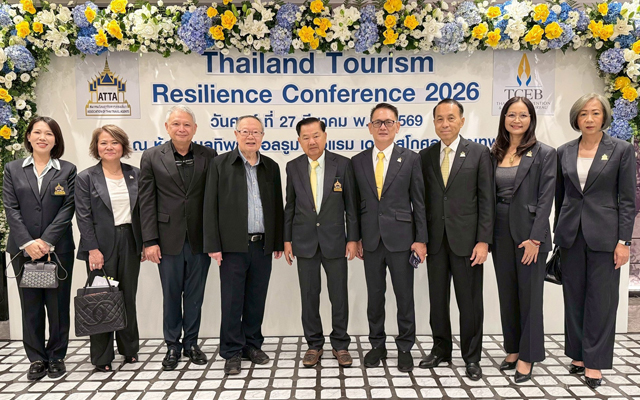
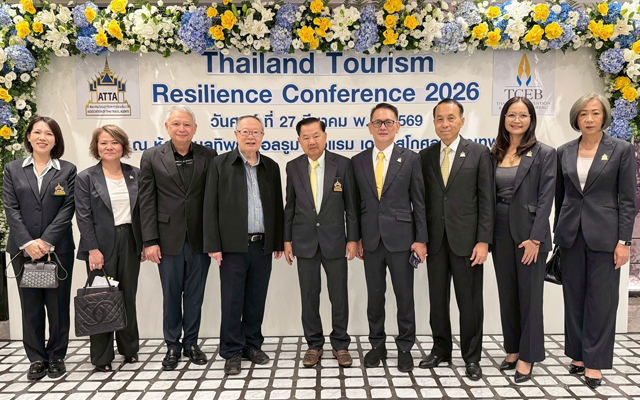
ALTOUR Expands into Thailand, Strengthening Corporate Travel Network Across Southeast Asia BANGKOK, THAILAND (25 March, 2026) – ALTOUR, a leading...
Read moreDetails


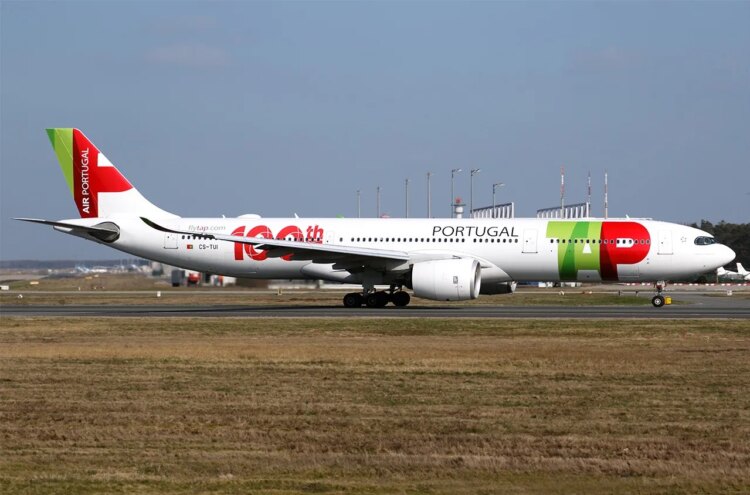
Comprehensive Summarization: TAP Air Portugal (TP), a privatisation story marked by repeated disruptions due to political shifts in Portugal, is...
Read moreDetails