


No products in the cart.
- Latest
- Trending


Indigo, Air India Seek To Restore Flights As 32 Airports Reopen
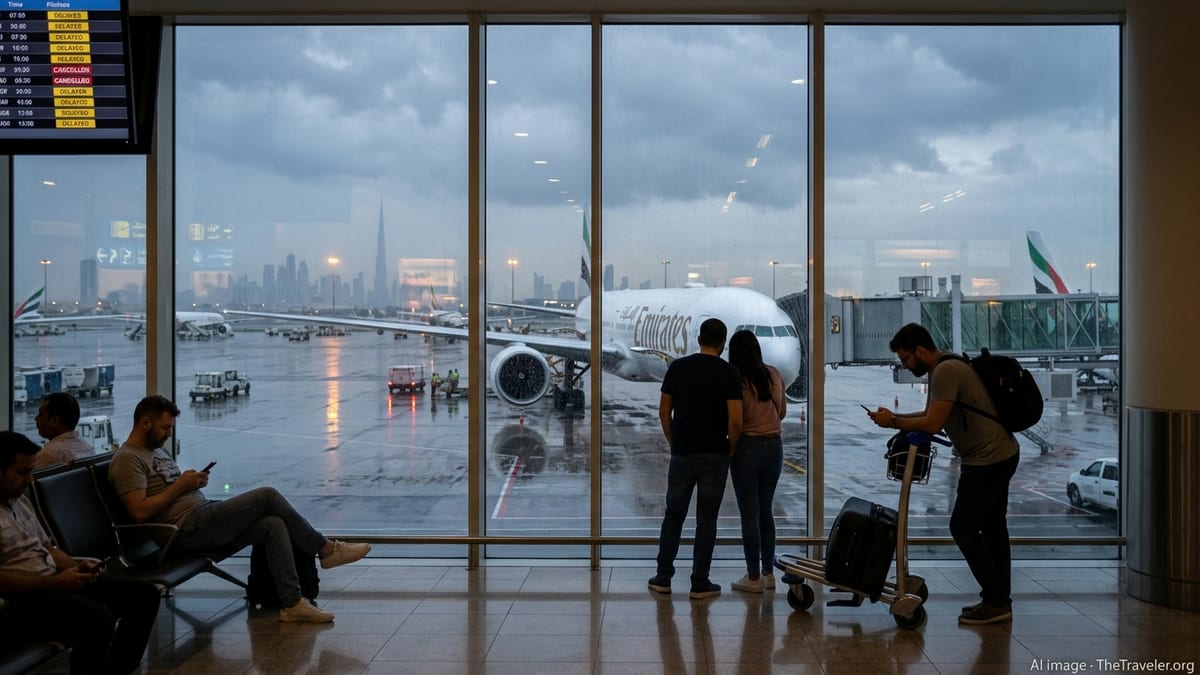
Following the India-Pakistan ceasefire, Indian airlines are working to restore normalcy to flight operations after airspace restrictions impacted routes and schedules. IndiGo and Air India are leading the charge as 32 airports, previously affected by closures and diversions, resume normal operations. The disruptions, which stemmed from heightened tensions between the two nations, caused significant inconvenience to travelers and financial strain on airlines, requiring longer flight paths and increased fuel consumption.
Airlines are prioritizing the re-establishment of pre-existing flight schedules and routes to minimize further disruptions. The reopening of airspace is expected to provide relief to passengers by reducing travel times and airfares on certain routes, especially those connecting India to international destinations. Industry experts anticipate a gradual return to regular flight patterns as airlines adjust their schedules and navigate any remaining logistical challenges. Passengers are advised to check with their respective airlines for updated flight information and potential schedule adjustments. The situation highlights the vulnerability of air travel to geopolitical tensions and the importance of efficient communication between airlines, aviation authorities, and the public during periods of disruption. This restoration offers a positive sign for the aviation sector and travelers alike.
Key Points:
Read the Complete Article.
Get curated travel AI insights — choose the newsletters that matter to you.
ALTOUR Expands into Thailand, Strengthening Corporate Travel Network Across Southeast Asia BANGKOK, THAILAND (25 March, 2026) – ALTOUR, a leading...
Read moreDetails


Comprehensive Summarization: The article discusses Iran's decision to slow its tourism sector in response to the ongoing Middle East conflict,...
Read moreDetails