




No products in the cart.
- Latest
- Trending


Article Summary:
The article reports on the impact of partly cloudy skies and medium to dense fog in Delhi on Friday, leading to flight cancellations and delays by airlines such as IndiGo. The reduced visibility due to smog has prompted airlines to take precautionary measures, affecting flight operations in the Delhi-NCR region. This situation underscores the ongoing challenges faced by the travel industry in managing weather-related disruptions.
Key Points:
Actionable Takeaways:
Contextual Insights:
The article reflects the ongoing challenges faced by the travel industry in managing weather-related disruptions, particularly in densely populated regions like Delhi. The recent trend of airlines proactively communicating with passengers and implementing weather-resilient strategies highlights a growing emphasis on operational resilience. As climate change continues to affect weather patterns, the travel industry must adapt by investing in advanced technologies and flexible operational models. This shift not only addresses immediate challenges but also positions airlines to better handle future uncertainties, ensuring a more reliable and customer-centric travel experience.
Read the Complete Article.
Get curated travel AI insights — choose the newsletters that matter to you.
ALTOUR Expands into Thailand, Strengthening Corporate Travel Network Across Southeast Asia BANGKOK, THAILAND (25 March, 2026) – ALTOUR, a leading...
Read moreDetails

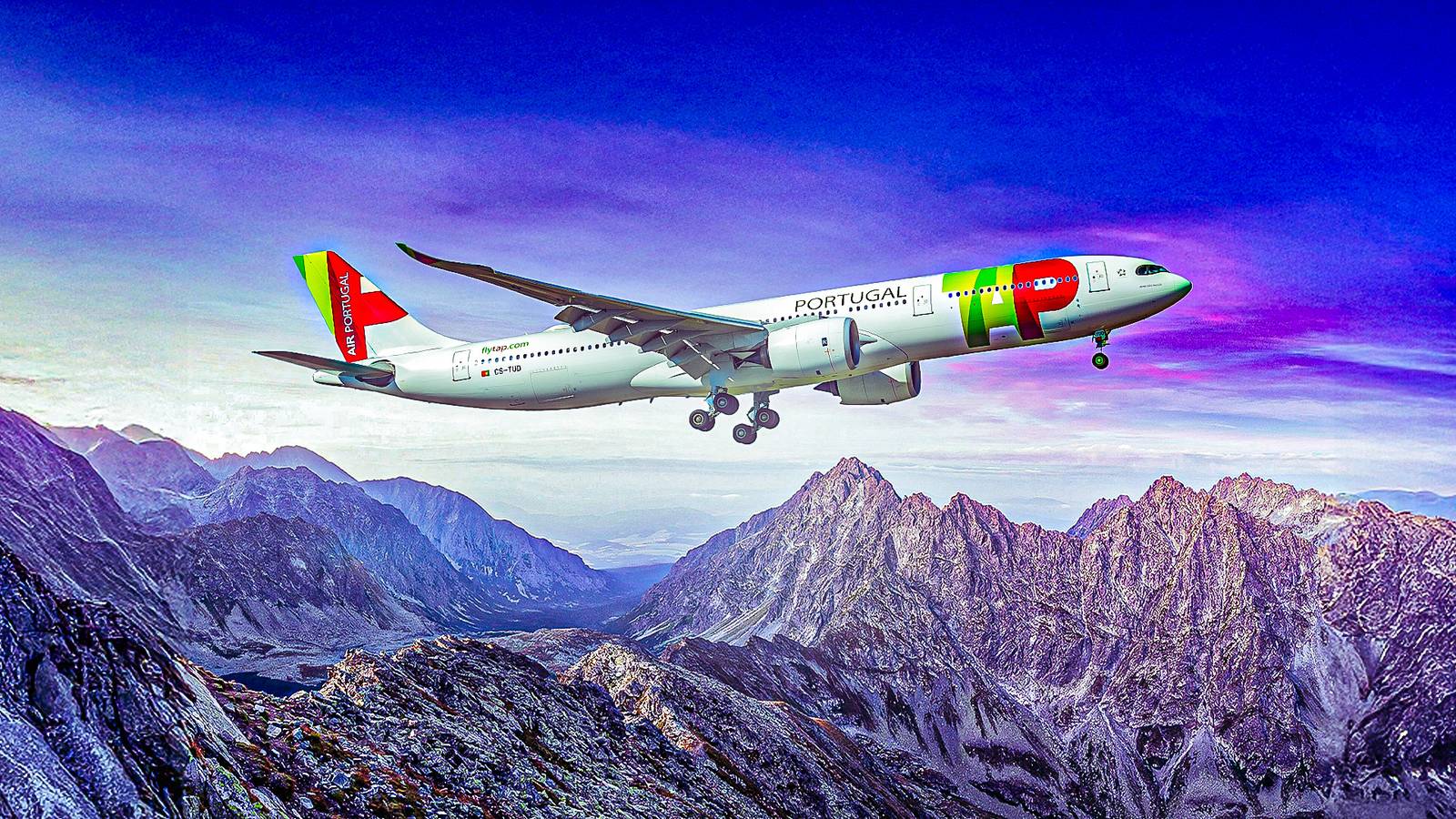
Comprehensive Summarization: Air France-KLM has initiated a formal, non-binding offer for a minority stake in TAP Air Portugal, marking a...
Read moreDetails