






No products in the cart.
- Latest
- Trending


Bollywood stars who got injured during shoots but continued filming
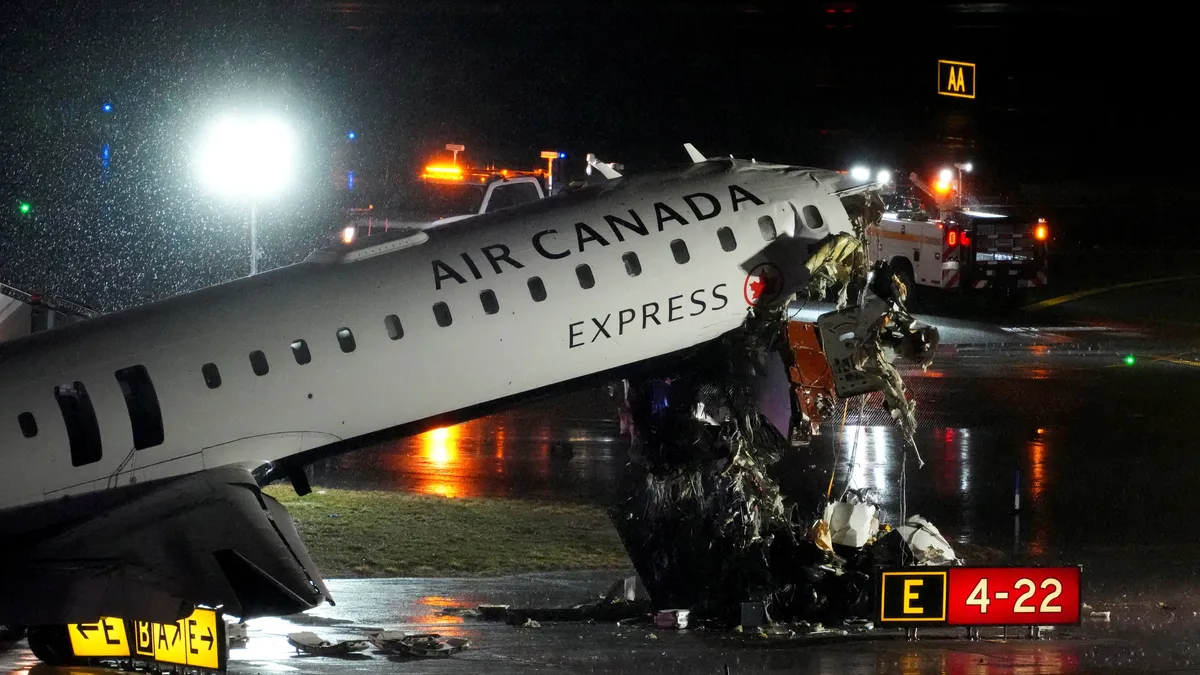
The aviation industry, renowned for its stringent safety protocols, is increasingly recognizing the critical role of mental well-being for its crew members. Following a recent concerning incident in Ahmedabad, where an Air India Express aircraft overshot the runway, the Directorate General of Civil Aviation (DGCA) has taken proactive steps to ensure the psychological resilience of flight and cabin crew. This directive, aimed at Air India and IndiGo, underscores a significant shift towards prioritizing the human element in aviation safety.
The incident, while thankfully resulting in no fatalities, has undoubtedly left an impact on the individuals directly involved and potentially on the wider crew community. Understanding and mitigating the psychological effects of such stressful events is paramount. Post-trauma workshops, as mandated by the DGCA, are designed to provide a safe space for crew members to process their experiences, learn coping mechanisms, and receive professional support. This initiative moves beyond mere operational safety to address the emotional landscape of those who are the frontline guardians of passenger safety.
For airlines, investing in crew well-being is not just a matter of regulatory compliance but a strategic imperative. A psychologically healthy crew is a more attentive, efficient, and safer crew. These workshops can help prevent the onset of conditions like Post-Traumatic Stress Disorder (PTSD) and burnout, which can have far-reaching consequences for both the individual and the airline’s operational integrity. By proactively addressing trauma, airlines can foster a culture of care and support, ultimately enhancing overall crew performance and job satisfaction.
The DGCA’s directive highlights the evolving understanding of aviation safety, recognizing that human factors are as crucial as mechanical ones. By equipping crew members with the tools to manage stress and trauma, the industry is strengthening its resilience against future incidents. This move is expected to set a precedent for other airlines, promoting a more holistic approach to safety that encompasses both physical and mental well-being. The focus on post-trauma support is a vital step in ensuring that those who keep us flying are also looked after.
Read the Complete Article.
Get curated travel AI insights — choose the newsletters that matter to you.
This spot is reserved for brands with a compelling story for the travel trade. They use this space to cut...
Read moreDetailsALTOUR Expands into Thailand, Strengthening Corporate Travel Network Across Southeast Asia BANGKOK, THAILAND (25 March, 2026) – ALTOUR, a leading...
Read moreDetails


Comprehensive Summarization: The article discusses the growing global interest in hair transplant procedures, with over 700,000 surgeries performed annually. It...
Read moreDetails