




















Travel Capitalist Ventures Expands Check Size to $10 Million to Deepen Emerging Market Conviction
Boutique Travel VC raises investment cap from $1.5M to $10M to lead rounds and support portfolio companies through growth Travel...
Read moreDetails
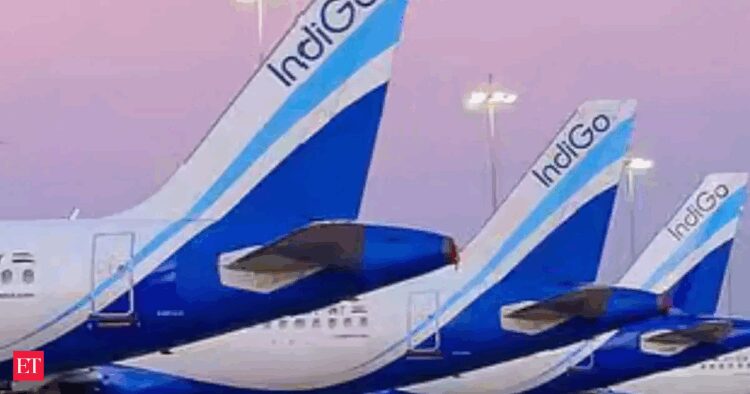
Turbulence-hit airline could have to cut 300 flights per day, provides ops road map on Monday
Article Summary:
The civil aviation regulator in India may request IndiGo, the country’s leading airline, to reduce its flight frequencies by 300 daily flights during the winter season to address a severe pilot shortage. This shortage has led to the cancellation of over 5,000 flights in December, significantly impacting IndiGo’s network. The winter season typically runs from the last Sunday of the year, and the airline was operating around 2,300 flights per day before the crisis.
Key Points:
Actionable Takeaways:
Contextual Insights:
The pilot shortage in the Indian aviation sector underscores broader challenges faced by airlines in managing operational efficiency and maintaining service levels during peak travel seasons. This situation is exacerbated by the ongoing global demand for air travel, which has not fully recovered from the disruptions caused by the COVID-19 pandemic. The regulatory intervention suggests that authorities are closely monitoring the situation and are prepared to take decisive action to ensure the stability of the aviation network.
In the context of travel tech and fintech, this situation highlights the need for innovative solutions to manage operational challenges and enhance customer experience. For instance, airlines could leverage advanced scheduling algorithms and AI-driven workforce management systems to optimize pilot allocation and reduce operational bottlenecks. Additionally, fintech innovations, such as flexible payment options and travel insurance products, could help mitigate the financial impact of flight cancellations on passengers.
The article reflects the current state of the travel industry, where operational challenges such as pilot shortages can have cascading effects on service quality and customer satisfaction. Forward-looking insights suggest that the industry must continue to innovate and adapt to such challenges, leveraging technology and strategic partnerships to maintain resilience and competitiveness.
Read the Complete Article.
Boutique Travel VC raises investment cap from $1.5M to $10M to lead rounds and support portfolio companies through growth Travel...
Read moreDetails



Comprehensive Summarization: Wizz Air, a leading airline in Central and Eastern Europe, has been named the Official Airline Partner for...
Read moreDetails
