



No products in the cart.
- Latest
- Trending

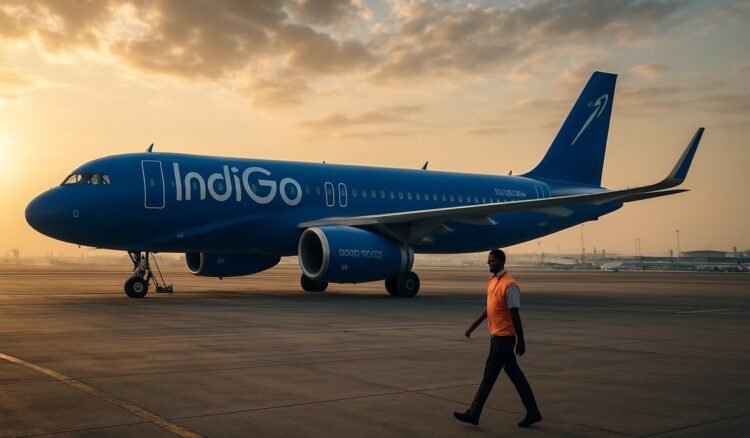
Airline Airfare Aviation: India Lifts Domestic Price Caps After IndiGo Crisis
Comprehensive Summarization:
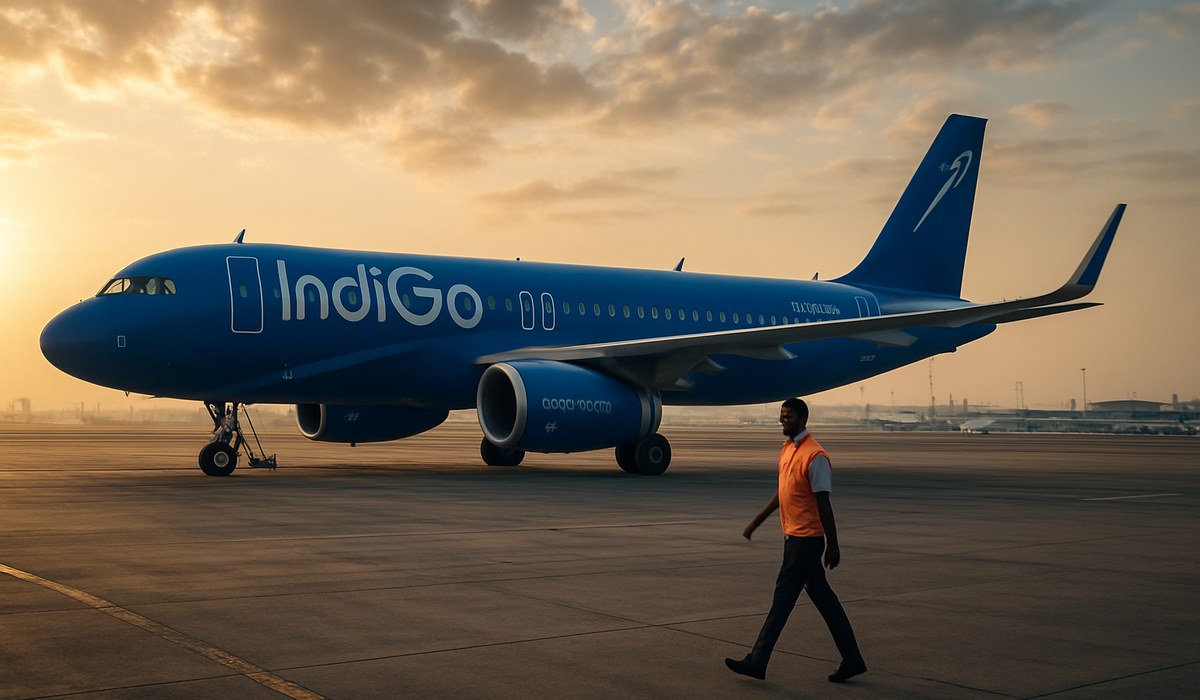
India’s Civil Aviation Ministry lifted domestic airline airfare aviation regulations on March 22, 2026, ending government-mandated price ceilings that had constrained carrier revenue for months. This move follows sustained operational pressures on IndiGo, India’s largest low-cost carrier, which faced scheduling disruptions during peak travel demand. Airlines operating on domestic Indian routes can now set fares independently, marking a significant shift in the travel industry’s regulatory landscape. The article also touches on the latest travel trends and insights from thought leaders, highlighting the evolving dynamics of the travel sector.
Key Points:
Actionable Takeaways:
Increased Competition and Revenue Opportunities: Airlines can now set their own fares, potentially leading to increased competition and new revenue opportunities. This could encourage airlines to innovate in pricing strategies, potentially benefiting consumers with more choices and potentially lower fares.
Impact on Low-Cost Carriers: For airlines like IndiGo, which have faced scheduling disruptions, the deregulation could provide a strategic advantage. By setting their own fares, these carriers may be better positioned to manage demand during peak travel times, potentially improving operational efficiency and profitability.
Market Dynamics and Consumer Behavior: The deregulation may lead to shifts in market dynamics, influencing consumer behavior and expectations around airfare pricing. Airlines will need to adapt quickly to this new environment, leveraging data and technology to optimize pricing strategies and enhance customer value.
Contextual Insights:
The deregulation of domestic airfares in India reflects broader trends in the global travel industry towards deregulation and market liberalization. This shift aligns with the increasing adoption of technology in travel, enabling airlines to offer more dynamic and flexible pricing models. Thought leaders in the travel sector have noted that such deregulations can spur innovation, particularly in areas like dynamic pricing, personalized offers, and enhanced customer experiences. As airlines adapt to this new regulatory environment, we can expect to see increased investment in technology and data analytics to support these changes. This move also underscores the growing importance of fintech solutions in the travel industry, as airlines seek efficient ways to manage fare structures and optimize revenue. Overall, the deregulation marks a pivotal moment in India’s travel sector, signaling a move towards a more competitive and dynamic market landscape.
Read the Complete Article.
Get curated travel AI insights — choose the newsletters that matter to you.
This spot is reserved for brands with a compelling story for the travel trade. They use this space to cut...
Read moreDetailsALTOUR Expands into Thailand, Strengthening Corporate Travel Network Across Southeast Asia BANGKOK, THAILAND (25 March, 2026) – ALTOUR, a leading...
Read moreDetails


Comprehensive Summarization: The article announces the entry of two Saudi Arabian carriers, Flyadeal and Riyadh Air, into the India market...
Read moreDetails