





















Travel Capitalist Ventures Expands Check Size to $10 Million to Deepen Emerging Market Conviction
Boutique Travel VC raises investment cap from $1.5M to $10M to lead rounds and support portfolio companies through growth Travel...
Read moreDetails
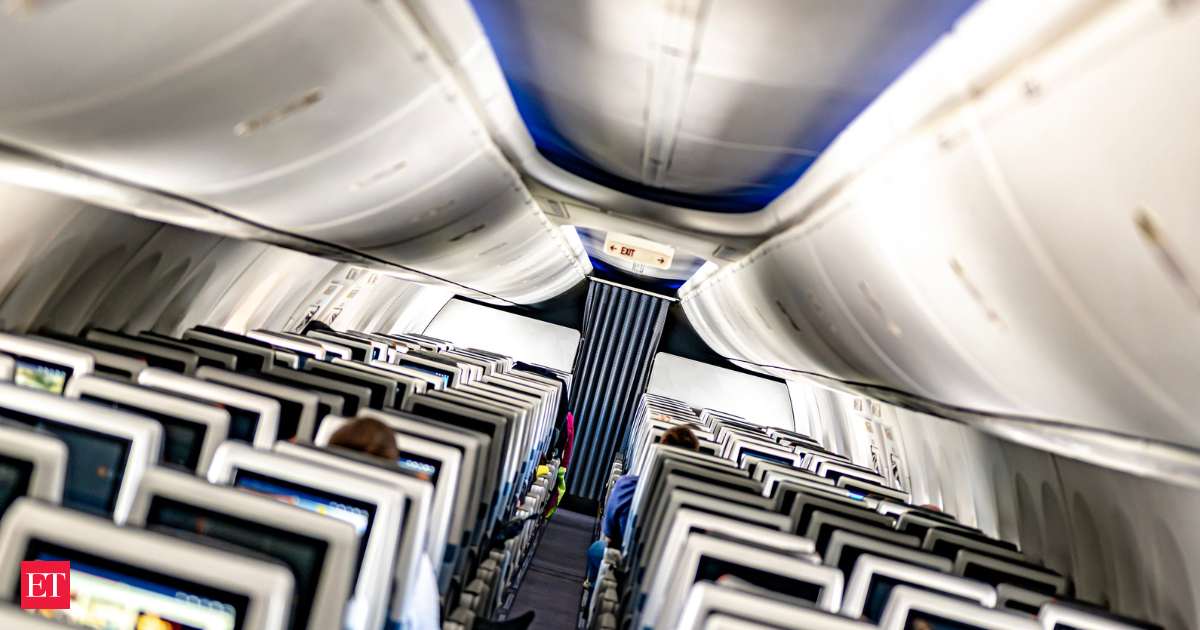
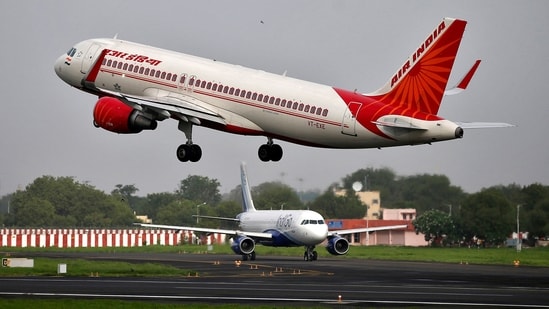
Small jets, big plans: Indian airlines bet on narrow-bodies for global reach
Indian Airlines Embrace Narrow-Body Jets for Expanded Global Reach
Indian airlines are increasingly relying on narrow-body aircraft as a strategic move to extend their international operations. This shift signifies a significant evolution in the fleet strategies of major Indian carriers, aiming to tap into new global markets with greater efficiency.
The focus on narrow-body jets, which typically have a single aisle and accommodate fewer passengers than wide-body aircraft, allows airlines to operate more frequently on thinner, underserved routes. This approach enables them to connect to a broader range of destinations that might not sustain the demand for larger, wide-body aircraft.
This strategy is particularly relevant for routes connecting India to Southeast Asia, the Middle East, and potentially even parts of Africa and Europe. By deploying narrow-body aircraft, airlines can offer more direct flights and potentially lower fares, making international travel more accessible to a wider customer base.
The article suggests that this move is driven by a combination of factors, including the growing Indian middle class with a desire for international travel and the increasing competitiveness within the aviation sector. Airlines are looking for cost-effective ways to expand their networks and capture market share on both domestic and international fronts.
The flexibility offered by narrow-body aircraft in terms of route planning and operational costs is a key advantage. Airlines can adapt their schedules more readily to changing demand patterns and introduce services to destinations that were previously considered uneconomical for wide-body operations. This strategic deployment is expected to play a crucial role in the future growth trajectory of Indian aviation.
Key Points
Read the Complete Article.
Boutique Travel VC raises investment cap from $1.5M to $10M to lead rounds and support portfolio companies through growth Travel...
Read moreDetails



Comprehensive Summarization: The article discusses the significant role of Africa's informal economy, which accounts for approximately 85% of the continent's...
Read moreDetails
