




No products in the cart.
- Latest
- Trending


Comprehensive Summarization:
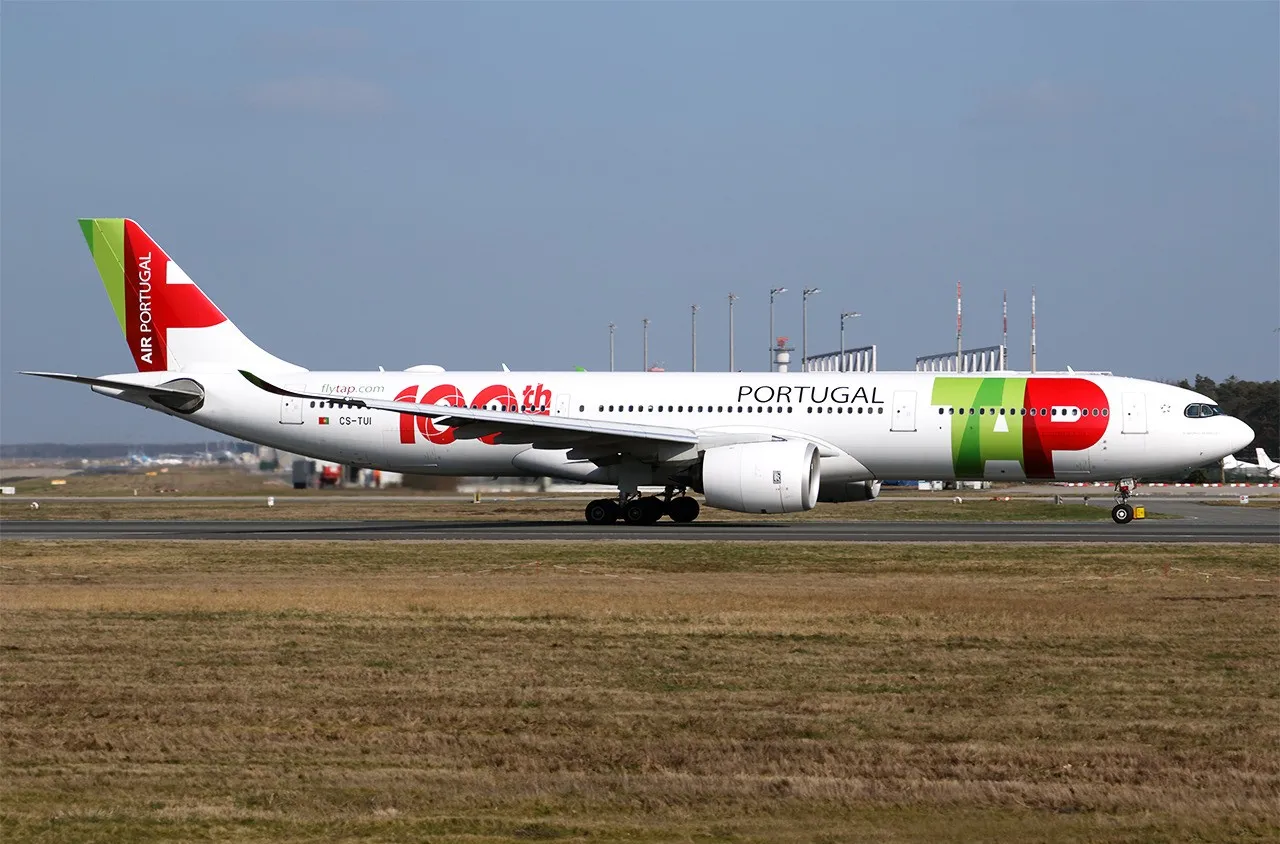
The article discusses the significant impact of global geopolitical tensions and economic factors on the commercial aviation industry. At 35,000 feet, where commercial aviation is expected to be insulated from ground-level geopolitical tensions, the reality is far more complex. A spike in global crude oil prices, the closure of major aviation hubs, and airspace restrictions across West Asia have collectively dealt a severe blow to the airline industry. These factors have led to a loss of approximately $53 billion in value for the world’s 20 largest publicly listed airlines. The article highlights the unexpected vulnerability of the aviation sector to global economic and political shifts, emphasizing the need for carriers to adapt to these rapidly changing conditions.
Key Points:
Actionable Takeaways:
Diversify Supply Chains: Airlines should explore diversifying their supply chains to mitigate the impact of crude oil price fluctuations. This could involve hedging strategies or sourcing alternative fuel sources to stabilize costs.
Invest in Flexible Fleet Management: Implementing flexible fleet management strategies can help airlines adapt to changing operational conditions, such as adjusting routes or frequencies based on airspace availability and demand fluctuations.
Enhance Digital Engagement: Leveraging digital platforms for real-time communication with passengers can help airlines manage expectations and reduce the impact of disruptions. Enhanced digital engagement can also provide valuable data for predictive analytics in travel planning.
Contextual Insights:
The article reflects the current state of the travel industry, where geopolitical tensions and economic factors play a critical role in shaping operational realities. The recent spike in crude oil prices, coupled with airspace restrictions, highlights the interconnectedness of global markets and their direct impact on the aviation sector. This context underscores the importance of agility and innovation in travel tech, as airlines seek to navigate these challenges. Thought leaders in the industry are increasingly focusing on digital transformation and sustainable practices to mitigate risks and enhance resilience. The insights from this article suggest that proactive measures, such as diversifying supply chains and enhancing digital engagement, are crucial for airlines to adapt and thrive in an increasingly volatile environment.
Read the Complete Article.
Get curated travel AI insights — choose the newsletters that matter to you.
ALTOUR Expands into Thailand, Strengthening Corporate Travel Network Across Southeast Asia BANGKOK, THAILAND (25 March, 2026) – ALTOUR, a leading...
Read moreDetails

Comprehensive Summarization: The article discusses the significant impact of global geopolitical tensions and economic factors on the commercial aviation industry....
Read moreDetails