



















Travel Capitalist Ventures Expands Check Size to $10 Million to Deepen Emerging Market Conviction
Boutique Travel VC raises investment cap from $1.5M to $10M to lead rounds and support portfolio companies through growth Travel...
Read moreDetails
In pics: Inside Robert Downey Jr.'s beautiful and luxurious Malibu home
Article Summary:
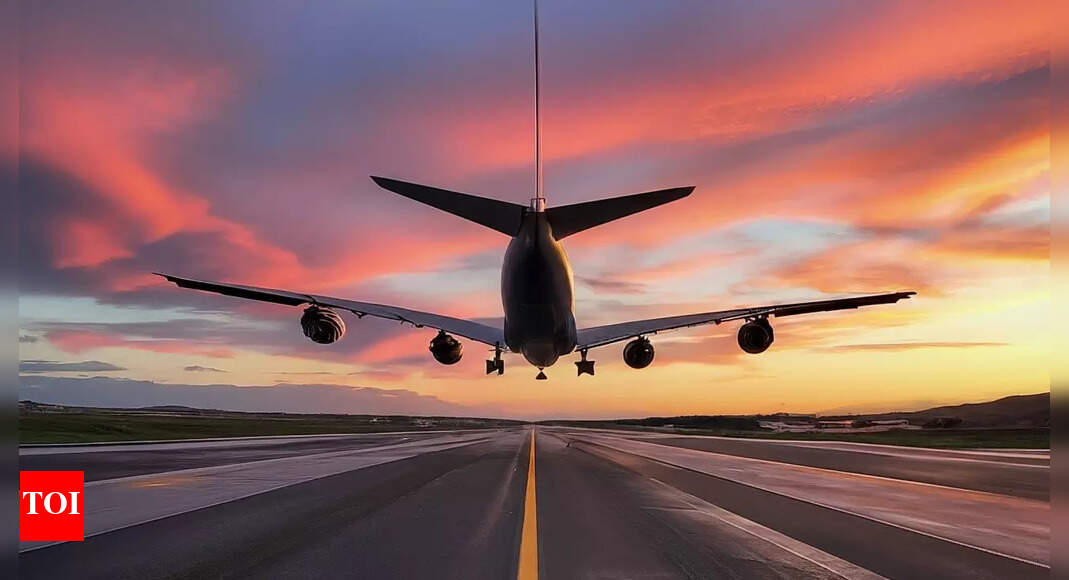
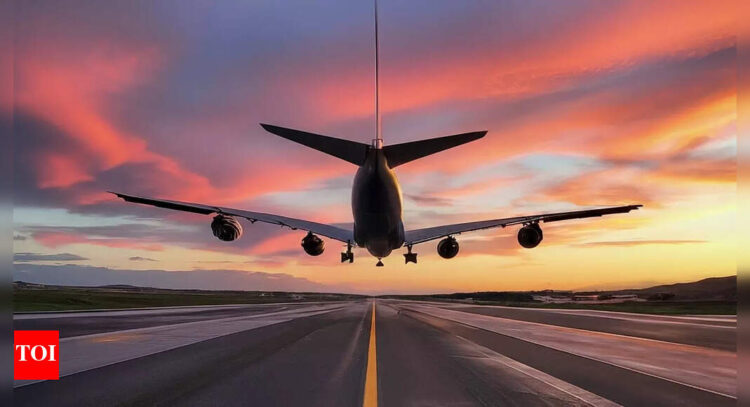
Air India and IndiGo, two major airlines in India, have suspended their two-way flight services connecting multiple destinations amidst heightened tensions between India and Pakistan. This decision was made despite the recent ceasefire. The Airports Authority of India (AAI) announced on Monday that 32 airports in northern and western India would resume civil flight operations, marking a return to normalcy in air travel. The article highlights the impact of geopolitical tensions on air travel and the resilience of airlines in navigating such challenges.
Key Points:
Actionable Takeaways:
Contextual Insights:
The suspension of flights by Air India and IndiGo amidst India-Pakistan tensions underscores the vulnerability of the travel industry to geopolitical events. This incident highlights the need for airlines to have robust contingency plans in place to manage such disruptions effectively. The article also emphasizes the importance of real-time communication and flexibility in travel policies to mitigate the impact on passengers and maintain trust in the industry. As geopolitical tensions continue to influence travel patterns, the travel industry must adapt by leveraging technology and strategic planning to ensure resilience and continuity in service delivery.
Read the Complete Article.
Boutique Travel VC raises investment cap from $1.5M to $10M to lead rounds and support portfolio companies through growth Travel...
Read moreDetails



— In short: Major airlines raise fares and fees due to Iran conflict-driven fuel cost surge. Airline Fee Increases The...
Read moreDetails