

No products in the cart.
- Latest
- Trending

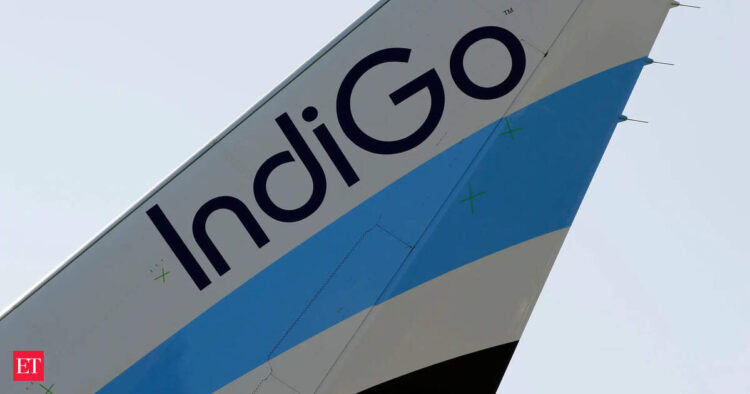
IndiGo, Air India skirt Iranian airspace; fly alternative routes for long-haul flights
Comprehensive Summarization:
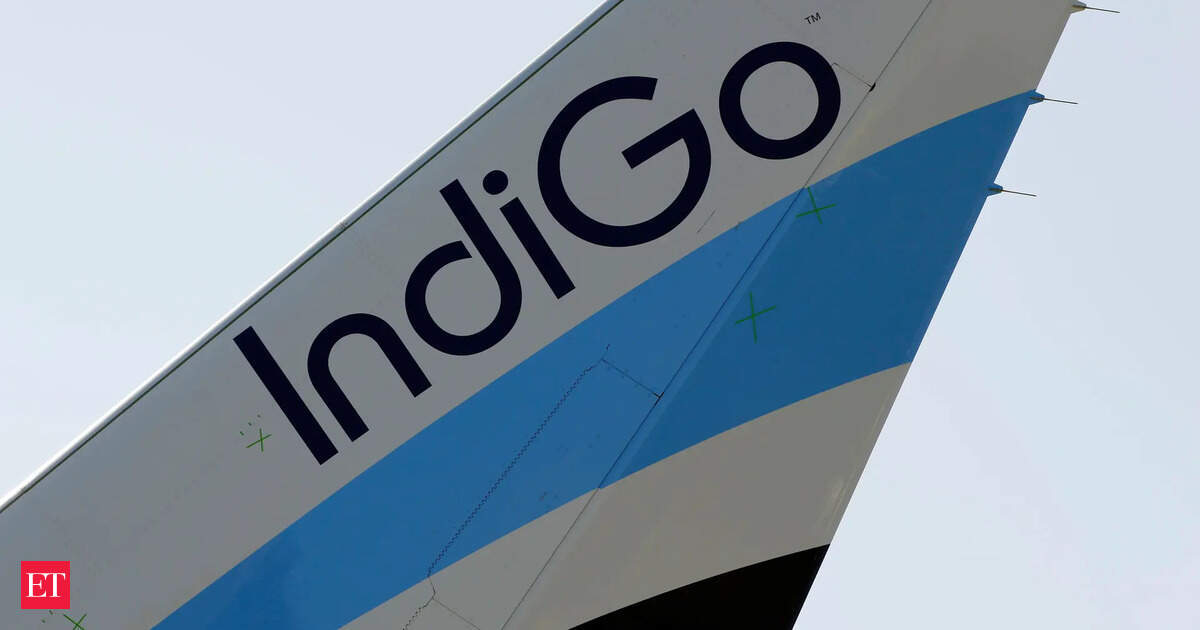
IndiGo and Air India, two major airlines in India, have temporarily halted the use of Iranian airspace for their long-haul flights. This decision is due to unspecified issues, leading them to adopt alternative routes for their flights to destinations in Europe, the UK, and the US. While these alternative routes ensure continued service to these regions, they result in longer flight durations and increased fuel consumption. On Wednesday, IndiGo announced that it will suspend services to Copenhagen on its leased Dreamliners starting February 17, as part of these adjustments. The article also touches on the broader travel industry trends and insights, highlighting the importance of adaptability and innovation in response to geopolitical and logistical challenges.
Key Points:
Actionable Takeaways:
Route Optimization and Fuel Efficiency: Airlines should explore and invest in more efficient routing strategies to minimize fuel consumption and operational costs, especially when faced with airspace restrictions. This could involve leveraging advanced navigation technologies and predictive analytics to identify the most fuel-efficient paths.
Flexible Fleet Management: Airlines should consider flexible fleet management strategies, such as adjusting the mix of aircraft types based on route-specific requirements. For instance, reducing reliance on fuel-intensive aircraft like the Dreamliner for certain routes could lead to significant cost savings and environmental benefits.
Focus on Geopolitical Risk Management: The decision to avoid Iranian airspace underscores the importance of geopolitical risk management in the travel industry. Airlines should develop contingency plans for potential disruptions due to geopolitical tensions, natural disasters, or other unforeseen events. This includes maintaining relationships with alternative airspaces and ensuring compliance with international regulations.
Contextual Insights:
The article reflects the ongoing challenges faced by the aviation industry in navigating geopolitical and logistical hurdles. The reliance on alternative routes due to airspace restrictions highlights the need for airlines to develop robust contingency plans. This situation also underscores the importance of fuel efficiency and sustainable practices in an industry where environmental concerns are increasingly prominent. Furthermore, the suspension of services to Copenhagen on leased Dreamliners signals the need for airlines to be adaptable and responsive to operational changes. As the travel industry continues to evolve, embracing technological advancements and innovative solutions will be crucial for maintaining competitiveness and ensuring operational resilience.
Read the Complete Article.
Get curated travel AI insights — choose the newsletters that matter to you.
ALTOUR Expands into Thailand, Strengthening Corporate Travel Network Across Southeast Asia BANGKOK, THAILAND (25 March, 2026) – ALTOUR, a leading...
Read moreDetails


RateGain and Razorpay Forge Payment Alliance RateGain Travel Technologies has strengthened its payment infrastructure through a strategic partnership with Razorpay....
Read moreDetails