


















Travel Capitalist Ventures Expands Check Size to $10 Million to Deepen Emerging Market Conviction
Boutique Travel VC raises investment cap from $1.5M to $10M to lead rounds and support portfolio companies through growth Travel...
Read moreDetails
Airfare Surge: IndiGo, Air India and Global Airlines Raise Ticket Prices Amid Jet Fuel Spike
Comprehensive Summarization:
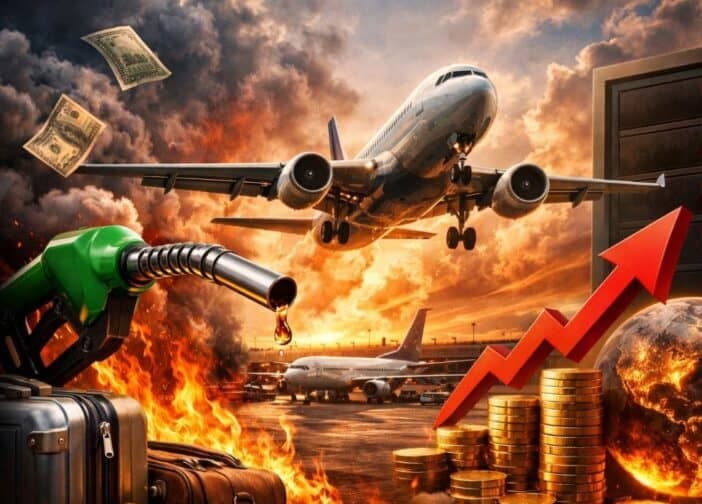
Air travel costs are escalating as airlines worldwide grapple with a sharp increase in jet fuel prices, driven by geopolitical tensions. Major carriers like Air India and IndiGo have responded by introducing fare hikes and fuel surcharges to manage rising operational costs. The surge in fuel prices has pushed aviation turbine fuel rates from approximately $85–$90 per barrel to as high as $150–$200 in recent weeks. Fuel expenses typically constitute a significant portion of airlines’ operational costs, and the current price surge is putting pressure on airlines to adjust their pricing strategies to maintain profitability.
Key Points:
Actionable Takeaways:
Contextual Insights:
The article reflects the current state of the travel industry amidst rising fuel prices, a consequence of geopolitical tensions. This context highlights the vulnerability of airlines to external economic factors and the need for strategic adjustments to maintain financial stability. The shift towards alternative fuels and dynamic pricing models aligns with broader industry trends towards sustainability and cost management. Thought leaders emphasize the importance of innovation in travel tech and fintech to navigate these challenges, suggesting that airlines embracing these innovations could gain a competitive edge. The focus on fuel efficiency and sustainable practices also underscores the industry’s commitment to reducing its environmental impact, a key concern for modern travelers.
Read the Complete Article.
Boutique Travel VC raises investment cap from $1.5M to $10M to lead rounds and support portfolio companies through growth Travel...
Read moreDetails



Comprehensive Summarization: Air travel costs are escalating as airlines worldwide grapple with a sharp increase in jet fuel prices, driven...
Read moreDetails
