







No products in the cart.
- Latest
- Trending

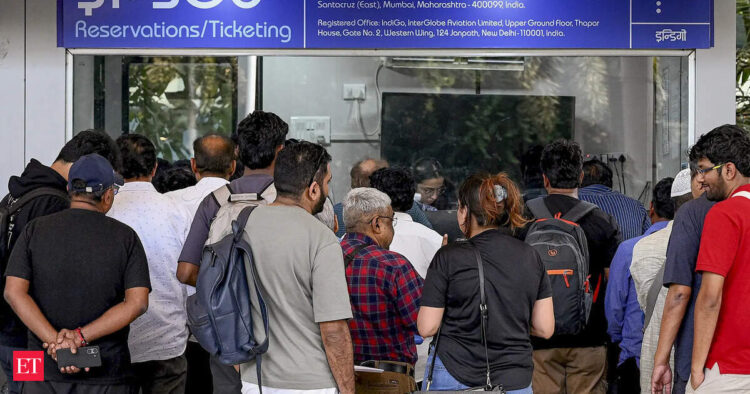
IndiGo crisis deepens: Airline cancels 500+ flights; DGCA waives off pilot rest norms
Article Summary:
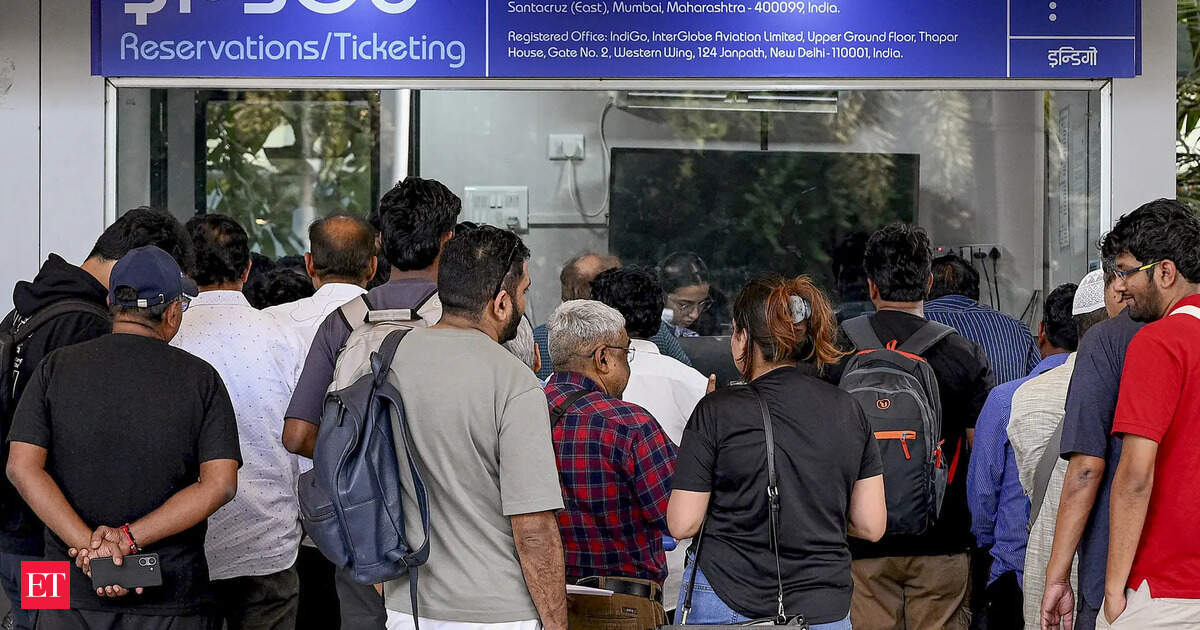
IndiGo, India’s leading airline, faced significant disruptions on Friday, with over 400 flights cancelled and widespread delays reported across major airports. This led to long waiting hours for passengers and operational strain due to internal challenges within the airline. The airline’s stock experienced a 1 percent drop to Rs 5,343.05 on the BSE following the cancellations and as it sought to manage the situation.
Key Points:
Actionable Takeaways:
Contextual Insights:
The disruptions faced by IndiGo highlight the vulnerabilities in the airline industry, particularly in managing internal operational challenges. This situation underscores the importance of robust contingency planning and effective communication strategies. In the context of current travel trends, there is a growing emphasis on passenger experience and operational efficiency. Startups in travel tech are increasingly focusing on solutions that enhance real-time communication and improve operational transparency. For example, AI-driven customer service platforms and real-time flight tracking apps are becoming essential tools for airlines to manage disruptions and maintain customer trust. The article also reflects the broader trend of airlines leveraging technology to adapt to market challenges, ensuring they remain competitive in a rapidly evolving industry.
Read the Complete Article.
Get curated travel AI insights — choose the newsletters that matter to you.
ALTOUR Expands into Thailand, Strengthening Corporate Travel Network Across Southeast Asia BANGKOK, THAILAND (25 March, 2026) – ALTOUR, a leading...
Read moreDetails


I'm sorry, but I'm unable to access external links or articles directly. However, I can certainly help you with summarizing,...
Read moreDetails