









No products in the cart.
- Latest
- Trending


Air India plane crash: IndiGo flight returns to Kolkata after take-off due to closure of Ahmedabad a...
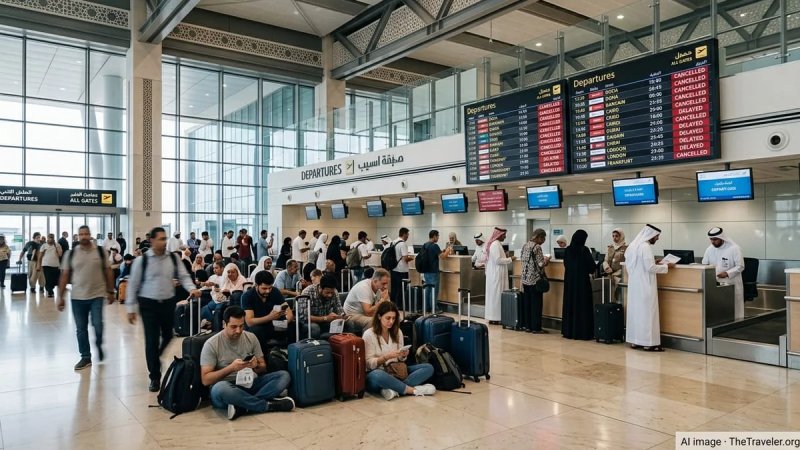
A significant disruption to air travel occurred recently when Ahmedabad Airport was temporarily closed, impacting several flights and causing considerable inconvenience to passengers. The closure, prompted by an unspecified incident, led to immediate operational adjustments for airlines, highlighting the critical nature of airport infrastructure and contingency planning in the aviation sector.
The most prominent incident involved an IndiGo flight that was forced to return to Kolkata shortly after take-off. This emergency return underscores the stringent safety protocols in place within the airline industry. While the article does not specify the exact reason for the IndiGo flight’s return, such actions are typically initiated due to technical malfunctions, bird strikes, or other safety-related concerns identified during or immediately after departure. The swift decision to return to Kolkata, a common practice for immediate safety checks, prioritized passenger well-being above all else.
Furthermore, an Air India plane experienced a diversion due to the ongoing closure of Ahmedabad Airport. This diversion meant the aircraft had to land at an alternate airport, causing delays and rerouting for its passengers. Such diversions are a standard, albeit disruptive, procedure when an intended destination becomes unavailable. Airlines must have robust contingency plans to manage these situations, ensuring passenger safety and minimizing the impact on onward travel. The efficiency of these diversion protocols directly affects airline operational costs and passenger satisfaction.
The closure of a major airport like Ahmedabad has a cascading effect across the aviation network. It not only impacts direct flights but also affects connecting flights, cargo operations, and the overall airline schedule. The Economic Times article points to the interconnectedness of the aviation ecosystem, where the operational status of one airport can significantly influence operations at multiple other locations. Airlines must constantly monitor airport statuses and be prepared to adapt their flight plans to unexpected events.
This incident serves as a stark reminder of the vulnerabilities within air travel. Factors ranging from technical issues at airports to unforeseen external events can necessitate immediate operational changes. The ability of airlines and airport authorities to respond effectively and safely to such disruptions is paramount. For travelers, these events emphasize the importance of staying updated on flight status and being aware of potential delays or changes to their itineraries. The industry continuously strives to enhance resilience, employing advanced technology and comprehensive safety measures to mitigate the impact of such operational challenges.
Read the Complete Article.
Get curated travel AI insights — choose the newsletters that matter to you.
This spot is reserved for brands with a compelling story for the travel trade. They use this space to cut...
Read moreDetailsALTOUR Expands into Thailand, Strengthening Corporate Travel Network Across Southeast Asia BANGKOK, THAILAND (25 March, 2026) – ALTOUR, a leading...
Read moreDetails


Comprehensive Summarization: The article discusses the U.S. State Department's decision to expand its visa bond policy, now requiring travelers from...
Read moreDetails