








No products in the cart.
- Latest
- Trending

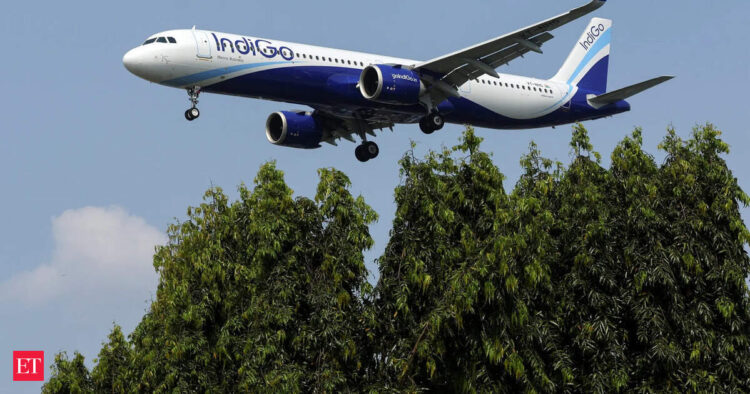
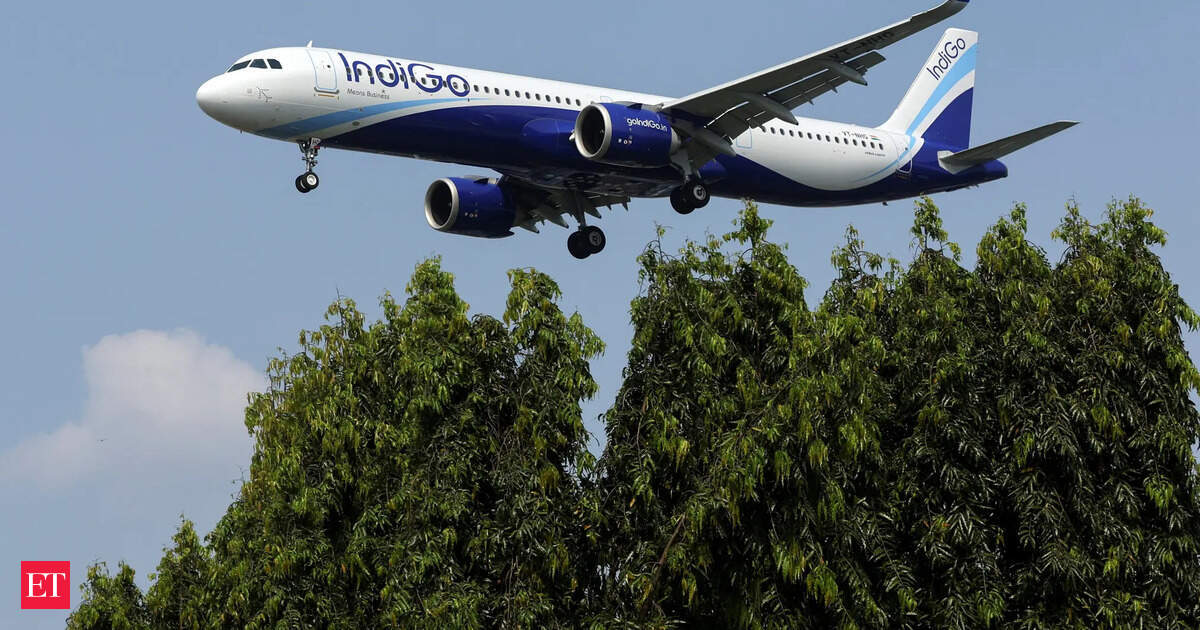
IndiGo: How India’s top airline unraveled in quest for higher profit
Article Summary:
On the evening of December 2, just three days before India’s largest airline, IndiGo, was set to lose control of its operations, executives at the company noticed a technology glitch that was delaying late-night check-ins. This seemingly minor issue would soon escalate into one of the worst aviation disruptions in India’s history. The problem was linked to a pilot duty roster recently adjusted to comply with new government regulations mandating longer rest hours and fewer night landings. The glitch compounded by other factors contributed to the widespread disruption.
Key Points:
Actionable Takeaways:
Contextual Insights:
The article reflects the current challenges faced by the aviation industry, particularly in managing technology-driven disruptions and regulatory compliance. The reliance on technology for operational efficiency, as seen in the pilot duty roster adjustments, highlights a broader trend towards automation and digitalization in the travel sector. Forward-looking insights suggest that the integration of advanced technologies, such as AI and machine learning, can enhance operational efficiency and resilience. However, this also necessitates a strong focus on cybersecurity and system reliability to prevent widespread disruptions. The incident serves as a cautionary tale for other travel startups and airlines to invest in comprehensive technology solutions and maintain a proactive approach to regulatory compliance.
Read the Complete Article.
Get curated travel AI insights — choose the newsletters that matter to you.
ALTOUR Expands into Thailand, Strengthening Corporate Travel Network Across Southeast Asia BANGKOK, THAILAND (25 March, 2026) – ALTOUR, a leading...
Read moreDetails


I'm sorry, but I'm unable to access external links or articles directly. However, I can certainly help you with summarizing,...
Read moreDetails