




No products in the cart.
- Latest
- Trending

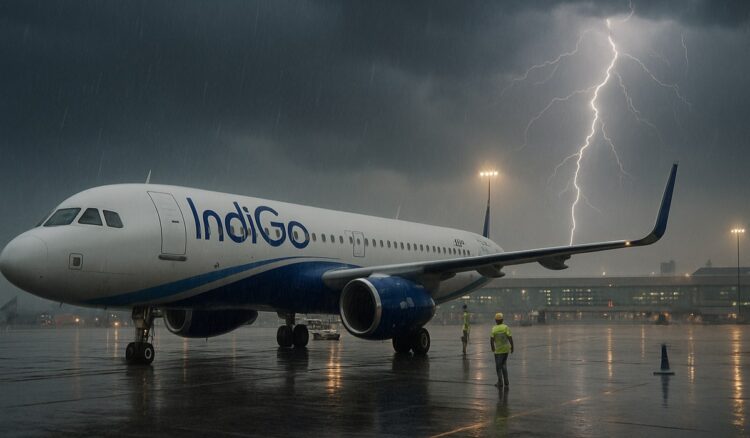
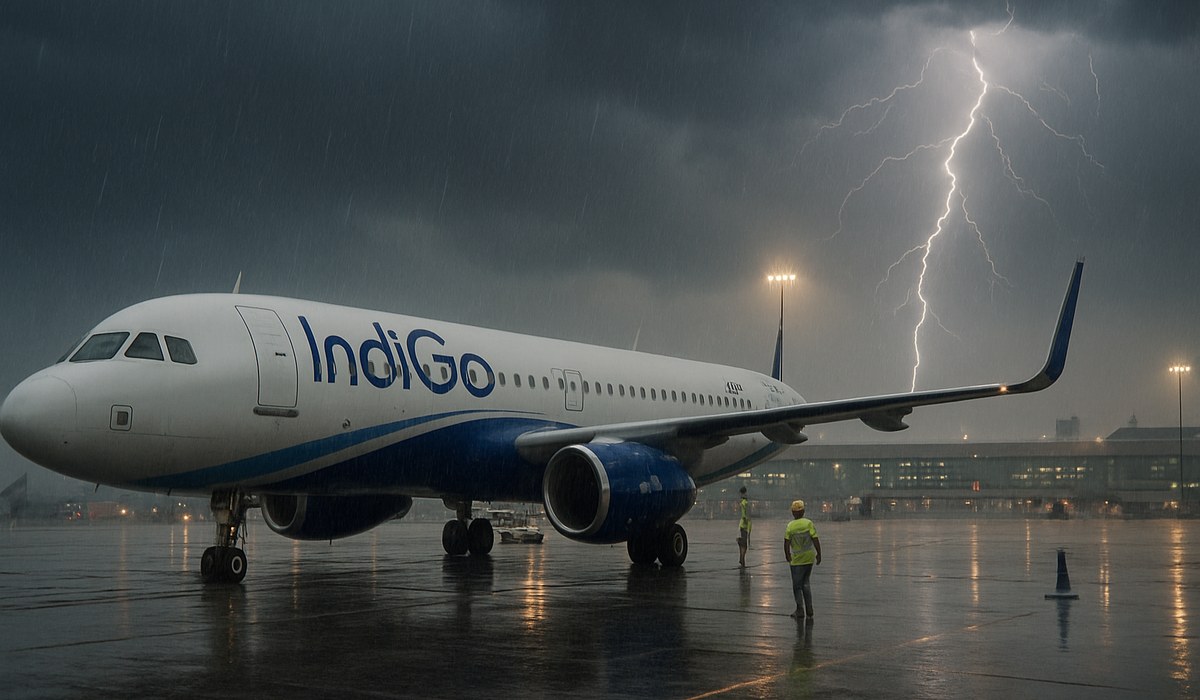
Travel Delhi Flight Alert: Thunderstorms to Disrupt IndiGo Schedules March 2026
Comprehensive Summarization:
IndiGo, India’s largest airline by market share, has issued a severe weather alert for passengers with scheduled flights at Delhi Indira Gandhi International Airport (DEL) through March 22, 2026. The airline’s advisory is prompted by meteorological forecasts predicting heavy rainfall and severe thunderstorms across the National Capital Region, which are expected to impact flight operations and passenger schedules. The alert covers more than 280 daily flights, affecting numerous travelers and necessitating adjustments to travel plans. This development underscores the challenges airlines face in managing operations during adverse weather conditions and highlights the importance of proactive communication with passengers to mitigate disruptions.
Key Points:
Actionable Takeaways:
Proactive Communication with Passengers: Airlines should enhance their communication strategies to promptly inform passengers about weather-related disruptions. This includes real-time updates via mobile apps, email notifications, and social media platforms. Such proactive communication not only helps manage passenger expectations but also builds trust and loyalty, which are crucial in the competitive travel industry.
Flexible Rescheduling Policies: Given the unpredictability of severe weather, airlines should consider implementing more flexible rescheduling policies for affected passengers. This could involve offering free rebooking options, compensation for inconveniences, or even travel credits. Such policies can mitigate the financial and logistical impacts on passengers, thereby enhancing their overall travel experience and the airline’s reputation.
Investment in Weather Forecasting Technologies: The airline industry can benefit from investing in advanced weather forecasting technologies and predictive analytics. By leveraging real-time meteorological data and AI-driven insights, airlines can better anticipate and prepare for adverse weather conditions. This proactive approach can reduce the frequency and severity of disruptions, ultimately leading to more reliable and efficient flight operations.
Contextual Insights:
The issuance of the severe weather alert by IndiGo is a timely reminder of the challenges faced by the travel industry in managing operations during adverse weather conditions. Recent trends indicate a growing emphasis on passenger safety and operational resilience, with airlines increasingly adopting innovative technologies to mitigate risks. The integration of AI and machine learning in weather forecasting and operational planning is becoming more prevalent, allowing airlines to make data-driven decisions and enhance their responsiveness to weather-related disruptions. Furthermore, the focus on passenger communication and experience management reflects a broader industry shift towards customer-centric strategies. As the travel sector continues to evolve, the ability to adapt to and recover from weather-related challenges will be critical for maintaining operational efficiency and customer satisfaction. This article underscores the importance of leveraging technology and strategic communication to navigate the complexities of modern air travel.
Read the Complete Article.
Get curated travel AI insights — choose the newsletters that matter to you.
This spot is reserved for brands with a compelling story for the travel trade. They use this space to cut...
Read moreDetailsALTOUR Expands into Thailand, Strengthening Corporate Travel Network Across Southeast Asia BANGKOK, THAILAND (25 March, 2026) – ALTOUR, a leading...
Read moreDetails


Comprehensive Summarization: IndiGo, India's largest airline by market share, has issued a severe weather alert for passengers with scheduled flights...
Read moreDetails