




No products in the cart.
- Latest
- Trending

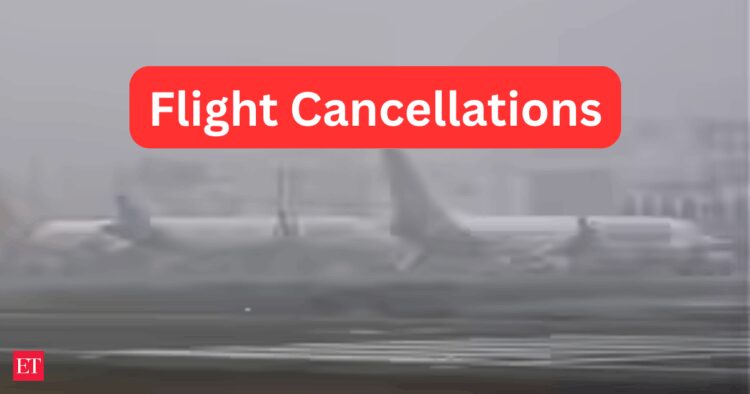
Flight Cancellations Today
Article Summary:
Flight operations across several parts of India were significantly disrupted on Monday due to adverse weather conditions, including dense fog, low visibility, and snowfall. This led to numerous flight delays, cancellations, and extended waiting times for passengers. Notably, IndiGo suspended flight operations at Leh airport due to snowfall, affecting both take-offs and landings. The article also touches on broader travel trends and insights from industry thought leaders.
Key Points:
Actionable Takeaways:
Contextual Insights:
The disruptions caused by adverse weather conditions highlight the vulnerability of the travel industry to external factors beyond its control. This situation underscores the importance of robust contingency planning and investment in technology to enhance operational resilience. The reference to broader travel trends and insights from thought leaders suggests that the industry is increasingly focusing on leveraging technology and data analytics to improve efficiency and passenger experience. Looking forward, the integration of AI and machine learning in weather forecasting and operational planning could significantly reduce the impact of such disruptions in the future. Additionally, the emphasis on passenger-centric policies reflects a growing trend towards customer-centricity in the travel sector, driven by heightened expectations and competition.
Read the Complete Article.
Get curated travel AI insights — choose the newsletters that matter to you.
ALTOUR Expands into Thailand, Strengthening Corporate Travel Network Across Southeast Asia BANGKOK, THAILAND (25 March, 2026) – ALTOUR, a leading...
Read moreDetails


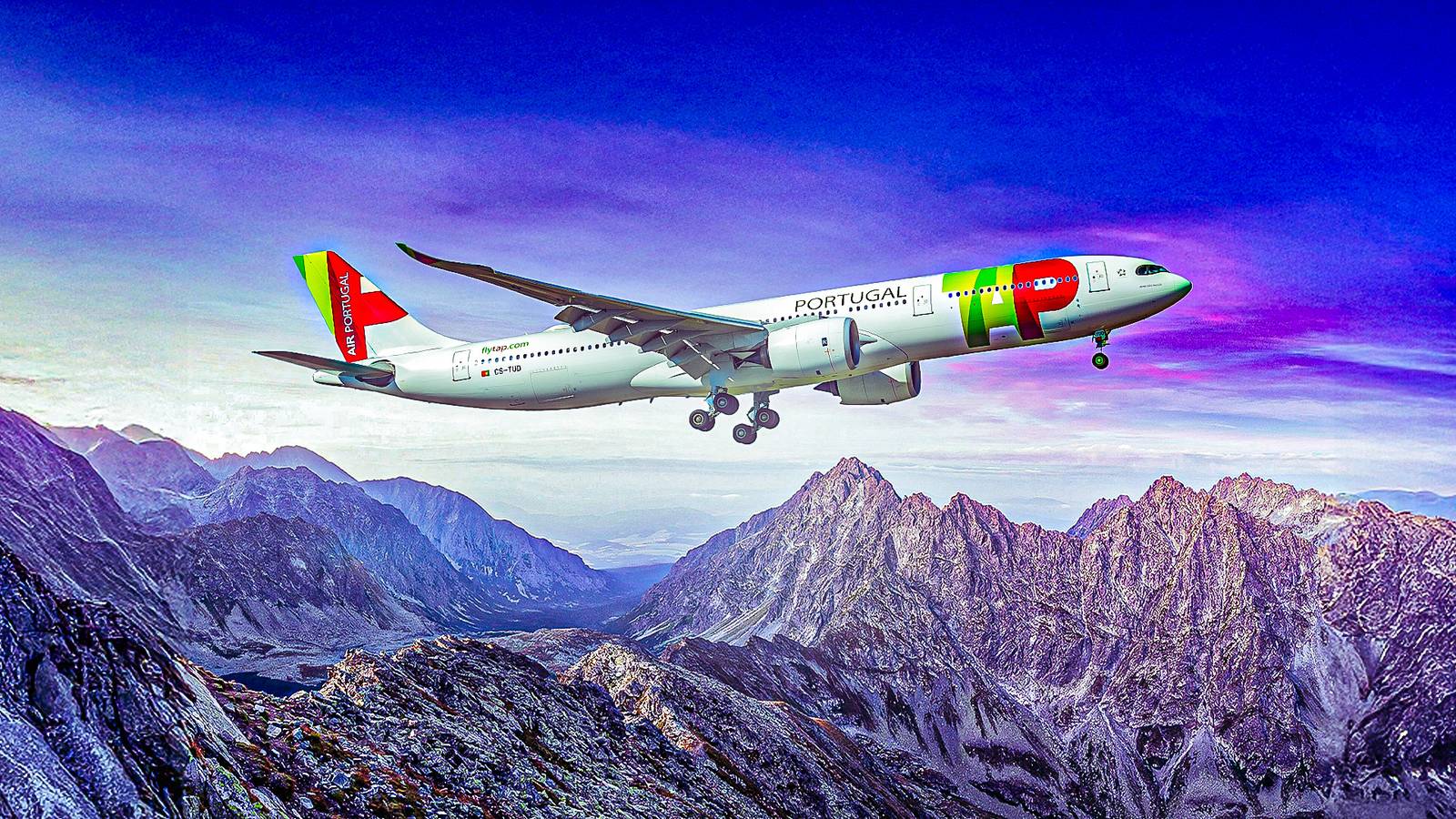
Comprehensive Summarization: Air France-KLM has initiated a formal, non-binding offer for a minority stake in TAP Air Portugal, marking a...
Read moreDetails