





















Travel Capitalist Ventures Expands Check Size to $10 Million to Deepen Emerging Market Conviction
Boutique Travel VC raises investment cap from $1.5M to $10M to lead rounds and support portfolio companies through growth Travel...
Read moreDetails
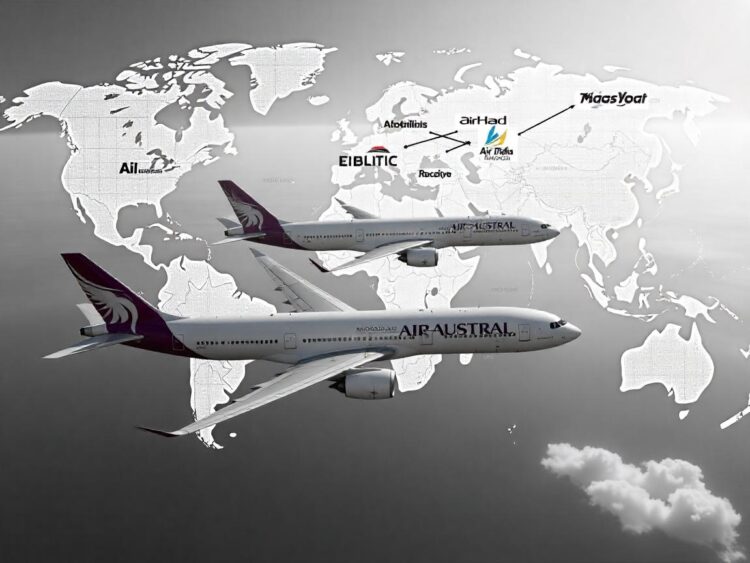
Madagascar Airlines Joins with Air Austral in New Codeshare Agreement and Competes with ITA Airways,...
Article Summary:
Madagascar Airlines has entered into a codeshare agreement with Air Austral, marking a significant development in the aviation industry. This partnership is expected to enhance connectivity and competition within the market, potentially challenging established players like ITA Airways, Etihad, airBaltic, IndiGo, and Air India. The move underscores the ongoing trend of strategic alliances in the airline sector, driven by the need for expanded routes and improved service offerings.
Key Points:
Actionable Takeaways:
Contextual Insights:
The collaboration between Madagascar Airlines and Air Austral is situated within the broader context of the aviation industry’s ongoing evolution. Recent developments in travel technology, such as the rise of low-cost carriers and the increasing demand for seamless, integrated travel experiences, have reshaped the competitive landscape. Airlines are increasingly recognizing the value of strategic alliances as a means to navigate these challenges and capitalize on emerging opportunities.
Moreover, the partnership aligns with the broader trend of digital transformation in the travel sector. As airlines integrate advanced technologies such as AI-driven customer service, real-time flight tracking, and personalized travel recommendations, they are better equipped to meet the demands of modern travelers. The codeshare agreement between Madagascar Airlines and Air Austral is a testament to this shift, highlighting the industry’s commitment to leveraging technology and collaboration to enhance operational efficiency and customer satisfaction.
In conclusion, the new codeshare agreement between Madagascar Airlines and Air Austral represents a significant step forward in the aviation industry’s strategic landscape. By fostering collaboration and competition, such partnerships not only enhance market dynamics but also drive innovation and improve the travel experience for consumers. As the industry continues to evolve, strategic alliances will likely play a pivotal role in shaping the future of air travel.
Read the Complete Article.
Boutique Travel VC raises investment cap from $1.5M to $10M to lead rounds and support portfolio companies through growth Travel...
Read moreDetails



— In short: Major airlines raise fares and fees due to Iran conflict-driven fuel cost surge. Airline Fee Increases The...
Read moreDetails