


















Travel Capitalist Ventures Expands Check Size to $10 Million to Deepen Emerging Market Conviction
Boutique Travel VC raises investment cap from $1.5M to $10M to lead rounds and support portfolio companies through growth Travel...
Read moreDetails

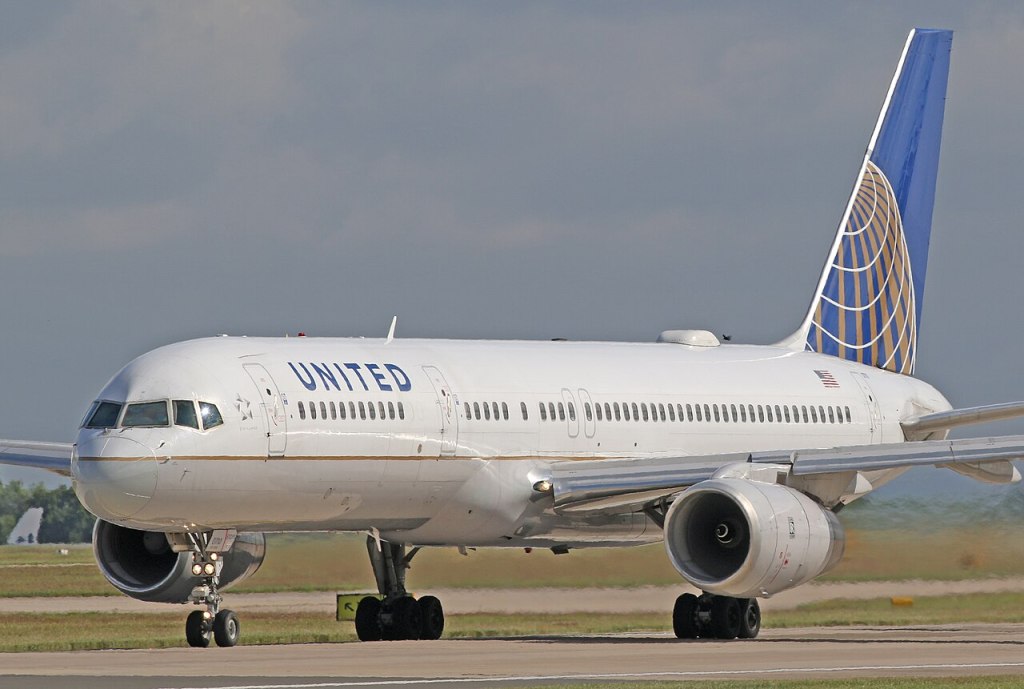
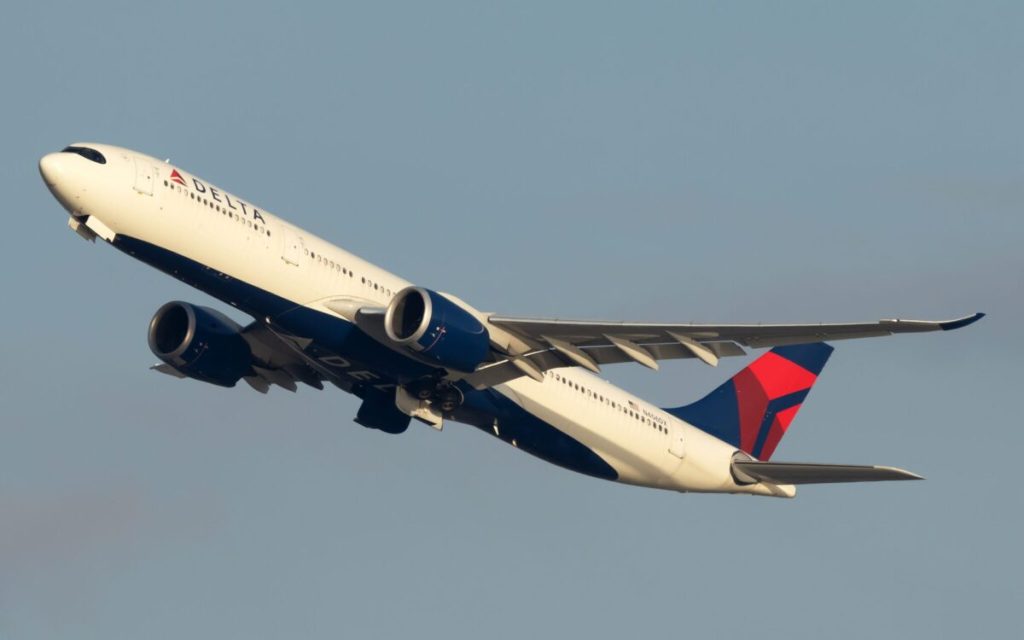
Representative Image
Article Summary:
The article discusses the practice of airlines adding extra time to flight schedules, such as a Delhi–Mumbai flight that claims to take nearly three hours but actually takes closer to 1 hour 40 minutes. This "padding" is a calculated strategy to improve on-time performance (OTP) and manage operational uncertainties. According to a Times of India analysis, this practice is now standard across many domestic routes, particularly those connecting busy hubs like Delhi. The article also touches on recent travel trends and insights from thought leaders, highlighting the impact of such scheduling practices on the travel industry.
Key Points:
Actionable Takeaways:
Contextual Insights:
The practice of padding flight times reflects a broader trend in the travel industry towards optimizing operational efficiency and improving customer experience. As air travel becomes more competitive, airlines are increasingly adopting strategies that enhance their on-time performance. This is particularly relevant in hubs with high traffic volumes, where delays can significantly impact customer satisfaction. The article aligns with current industry trends that emphasize the importance of technology and data-driven decision-making in travel operations. Furthermore, it underscores the potential for startups and fintech innovations to disrupt traditional scheduling practices, offering more accurate and flexible flight planning solutions. By integrating these insights, the travel industry can continue to evolve, ensuring that both airlines and passengers benefit from more reliable and efficient travel experiences.
Read the Complete Article.
Boutique Travel VC raises investment cap from $1.5M to $10M to lead rounds and support portfolio companies through growth Travel...
Read moreDetails



— In short: Major airlines raise fares and fees due to Iran conflict-driven fuel cost surge. Airline Fee Increases The...
Read moreDetails