

















Travel Capitalist Ventures Expands Check Size to $10 Million to Deepen Emerging Market Conviction
Boutique Travel VC raises investment cap from $1.5M to $10M to lead rounds and support portfolio companies through growth Travel...
Read moreDetails

South Korea’s Asiana Airlines Re-enters Osaka–Incheon Route, Triggering Jeju Air Dispute in Japan
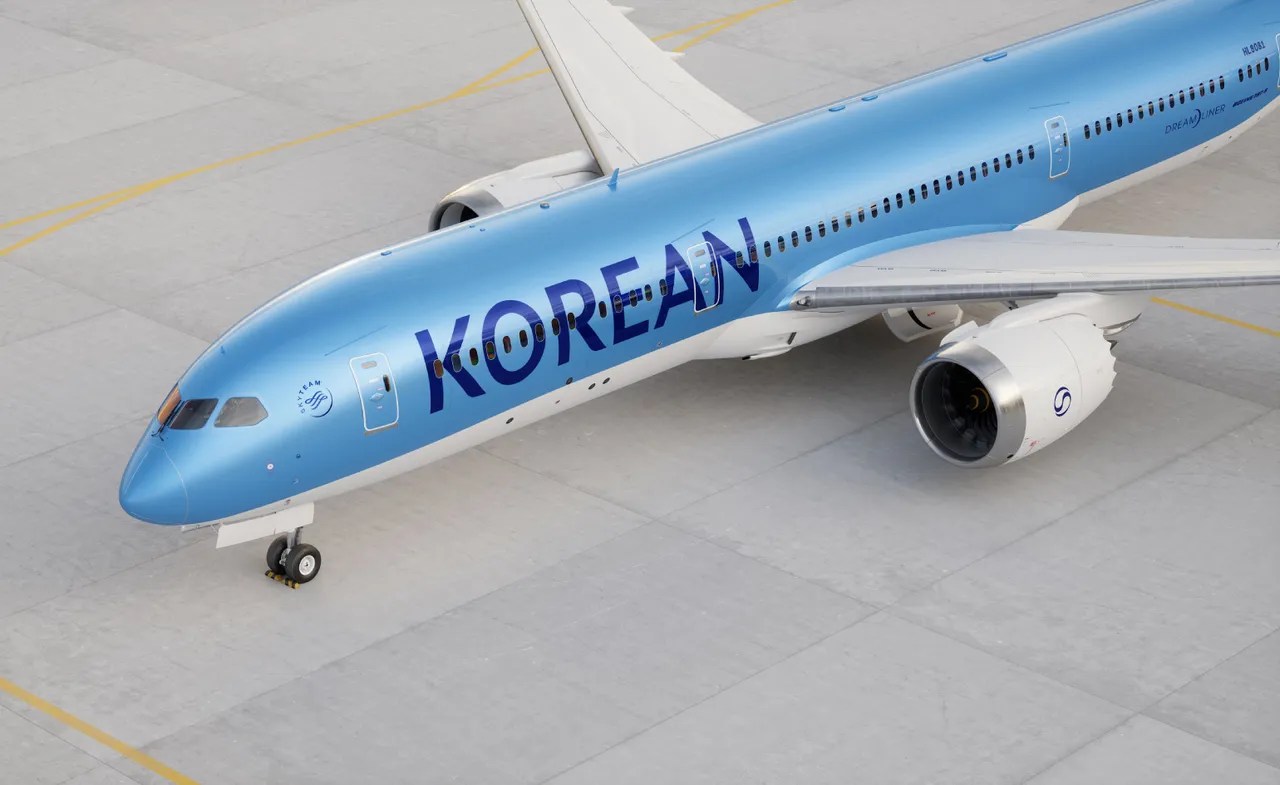
Asiana Airlines has resumed operations on the Osaka Incheon route, a move that has sparked a dispute with Jeju Air in Japan. The South Korean carrier relaunched its service on this popular route, aiming to re-establish its presence in the competitive air travel market.
The re-entry of Asiana Airlines into the Osaka Incheon route is seen as a significant development, potentially impacting flight availability and pricing for passengers traveling between these two major cities. This route has historically been a key corridor for both business and leisure travelers between South Korea and Japan.
This resumption of service by Asiana Airlines has led to a disagreement with Jeju Air, another South Korean airline that has been operating on the same route. The nature of the dispute is not detailed in the provided information, but it is implied to be related to market share, operational strategies, or potentially regulatory aspects within the Japanese aviation landscape.
The competition on this route is expected to intensify with Asiana Airlines’ return. Both airlines will likely be vying for passenger traffic, which could lead to adjustments in their service offerings and pricing strategies to attract travelers. The Japanese market is a crucial destination for many South Korean airlines, and the Osaka Incheon route is a vital link.
Asiana Airlines’ decision to re-enter this route signifies its commitment to expanding its network and recapturing market share. The airline industry, particularly in the Asia-Pacific region, is highly dynamic, and strategic route management is essential for success. The dispute with Jeju Air highlights the complexities and competitive pressures inherent in this market.
Key Points
Read the Complete Article.
Boutique Travel VC raises investment cap from $1.5M to $10M to lead rounds and support portfolio companies through growth Travel...
Read moreDetails



Singapore — April 10, 2026 In short: Agoda's 2026 Travel Outlook Report reveals Indian travelers are most likely in Asia...
Read moreDetails
