Comprehensive Summarization:
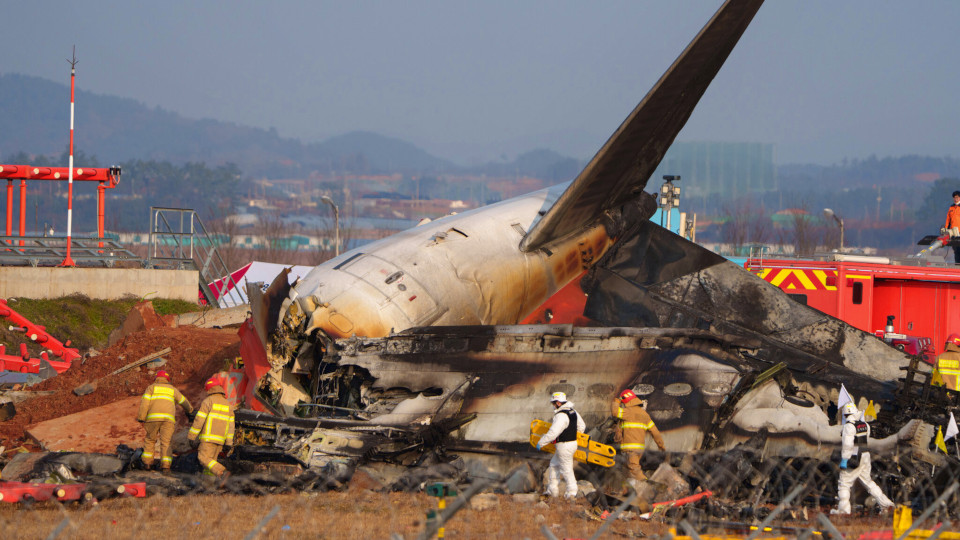
The article reports on a South Korean state audit conducted by the Board of Audit and Inspection, which found that the country’s transport ministry had approved unsafe airport safety structures for over two decades. This revelation came in the wake of the Jeju Air disaster that claimed 179 lives. The audit report, released on March 11, 2023, highlighted that the Ministry of Land, Infrastructure, and Transport had approved unsuitable airport safety structures for more than 20 years. The findings underscore serious concerns about the safety standards and oversight in the aviation sector, particularly in light of the tragic incident that prompted the audit.
Key Points:
- The South Korean transport ministry approved unsafe airport safety structures for over 20 years.
- The audit findings were released following the Jeju Air disaster, which resulted in 179 fatalities.
- The Ministry of Land, Infrastructure, and Transport was found to have approved unsuitable safety structures, raising significant safety concerns.
- The audit report was published on March 11, 2023, highlighting the long-standing issues in airport safety oversight.
Actionable Takeaways:
-
Enhanced Safety Oversight: There is an urgent need for enhanced safety oversight and regulatory reforms in the aviation sector to prevent similar incidents. This includes stricter compliance checks and more rigorous safety audits for airport structures. The incident serves as a critical reminder of the importance of robust safety standards and accountability in aviation infrastructure development.
-
Investment in Safety Technology: The audit highlights the necessity for investment in advanced safety technologies and infrastructure. Airlines and airports should prioritize the adoption of modern safety technologies to mitigate risks and enhance passenger safety. This could involve upgrading existing structures and implementing new safety protocols based on the latest industry standards.
Contextual Insights:
The audit’s findings are deeply concerning given the high-profile nature of the Jeju Air disaster and its impact on public safety and trust in the aviation industry. This incident underscores the critical importance of stringent safety standards and continuous oversight in aviation infrastructure. The revelations also highlight the broader industry trend towards increased scrutiny and accountability in the wake of safety incidents. Moving forward, the travel industry must focus on leveraging technology and innovation to enhance safety measures, ensuring that airports and aviation structures meet the highest safety standards. This context is crucial for travel startups and fintech companies, as it emphasizes the need for robust safety frameworks and compliance mechanisms to build consumer trust and ensure sustainable growth in the sector.
Read the Complete Article.