Article Summary:
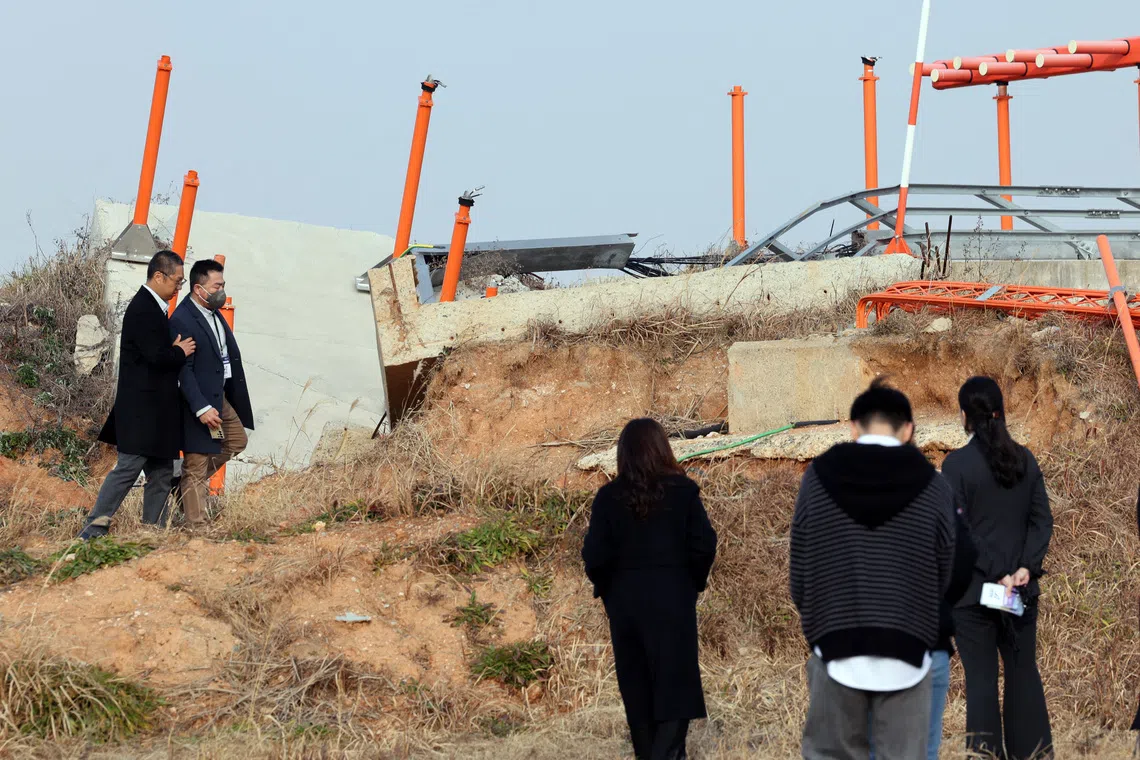
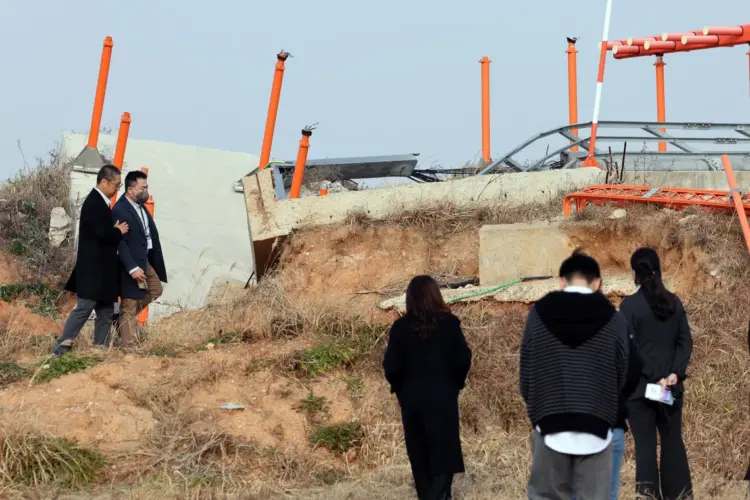
On December 29, 2024, a year after the worst air disaster on South Korean soil, families of the 179 people who died gathered at Muan International Airport in South Korea, demanding answers and a thorough investigation into the crash of Jeju Air Flight 2216. The Boeing 737-800 crash-landed without wheels deployed, slammed into a barrier, and exploded into a fireball. Relatives were outraged by the lack of action and transparency following the incident.
Key Points:
- The article reports on the one-year anniversary of the Jeju Air Flight 2216 crash, which occurred at Muan International Airport.
- Families of the 179 victims gathered at the crash site, demanding answers and a thorough investigation into the disaster.
- The Boeing 737-800 crashed without its wheels deployed, crashed into a barrier, and exploded into a fireball.
- The families’ actions highlight the ongoing impact of the disaster and the need for accountability and transparency.
Actionable Takeaways:
- Enhanced Safety Protocols: The incident underscores the importance of rigorous safety protocols and post-incident investigations in the aviation industry. Airlines and airports should conduct comprehensive reviews to identify and rectify any procedural or technical failures that may have contributed to the crash.
- Increased Transparency and Accountability: The families’ demand for answers highlights the need for increased transparency in aviation safety reporting. Airlines should be more forthcoming about the causes of accidents and the steps taken to prevent future occurrences. This could involve more detailed public reports and independent investigations.
- Investment in Advanced Safety Technologies: The crash may prompt airlines to invest in advanced safety technologies, such as improved runway safety systems and more reliable aircraft components. This could lead to innovations in aviation safety, benefiting the industry as a whole.
Contextual Insights:
The article reflects the ongoing challenges in the aviation industry, particularly in ensuring safety and accountability following major incidents. The demand for answers by the families of the victims highlights the importance of transparency and thorough investigations in rebuilding trust in the aviation sector. This aligns with current industry trends towards enhanced safety measures and technological advancements aimed at preventing accidents. The incident also underscores the potential for startups in aviation technology to innovate and provide solutions that improve safety and operational efficiency.
Read the Complete Article.