








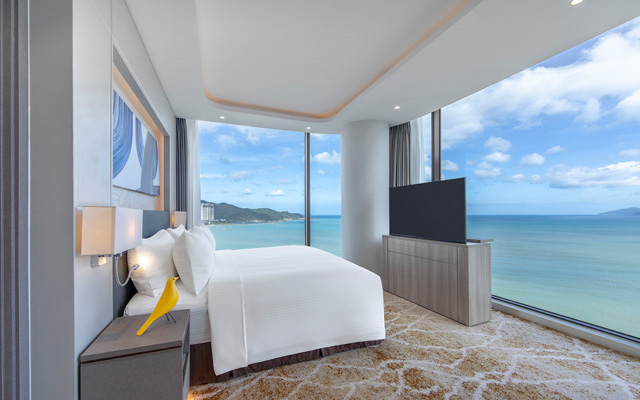






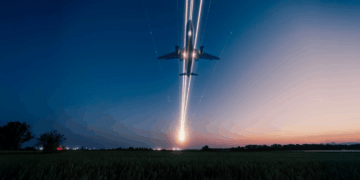

Travel Capitalist Ventures Expands Check Size to $10 Million to Deepen Emerging Market Conviction
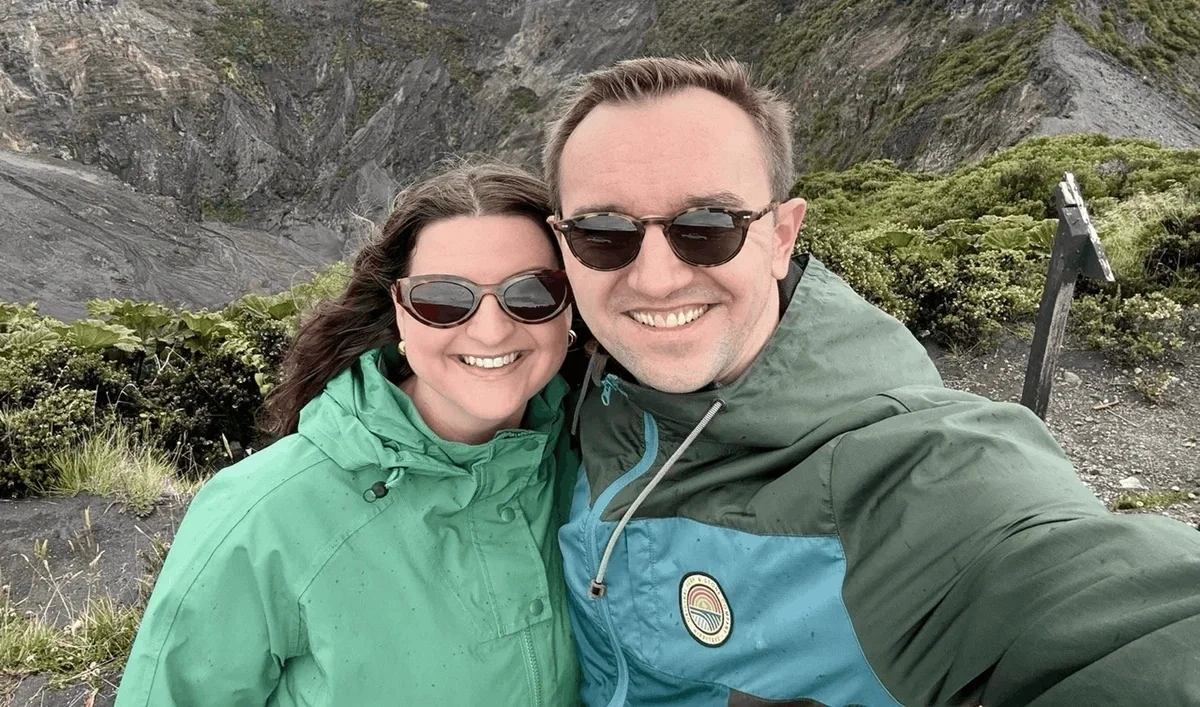
Boutique Travel VC raises investment cap from $1.5M to $10M to lead rounds and support portfolio companies through growth Travel...
Read moreDetails
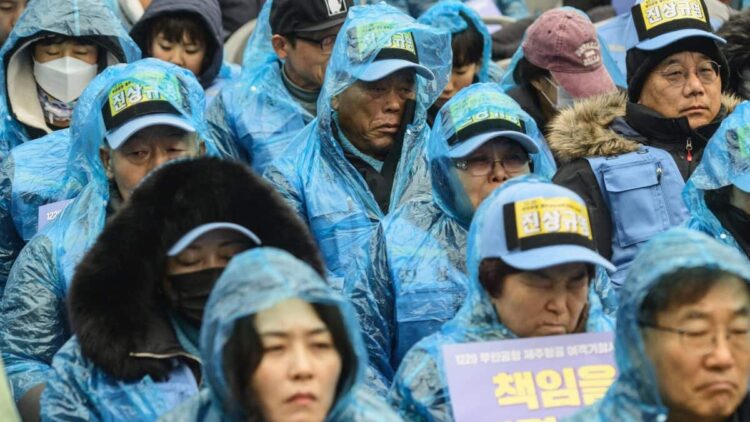
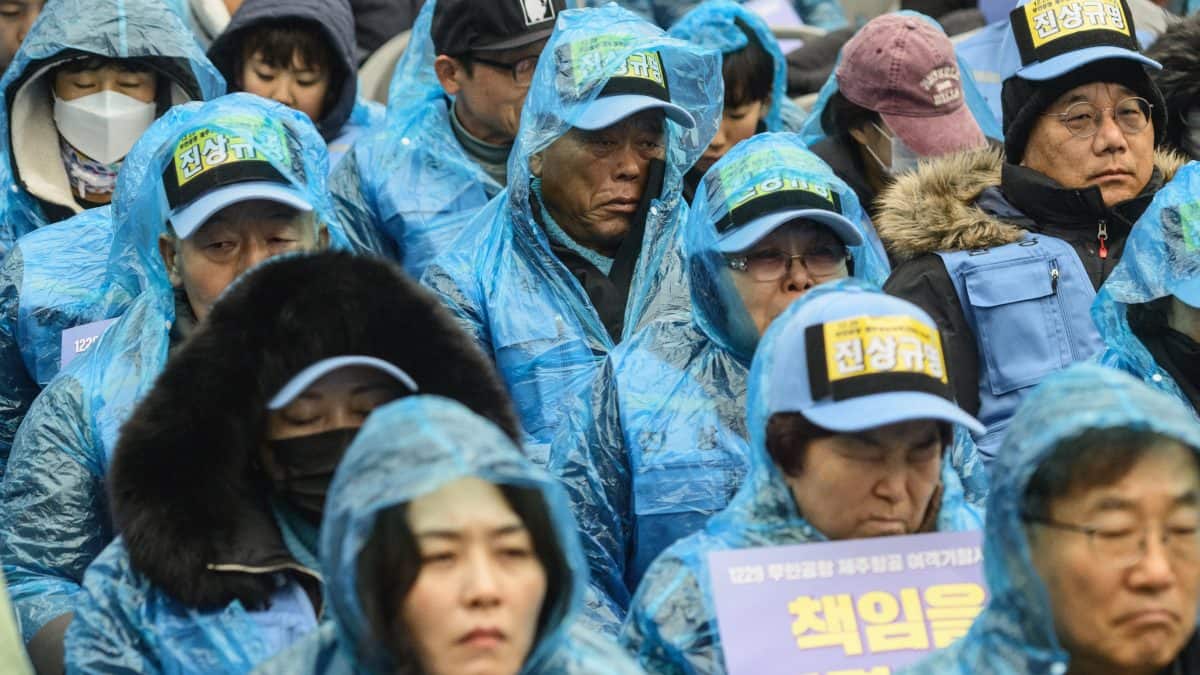
Families seek answers as South Korea probe into deadly Jeju Air crash misses one-year update – First...
Article Summary:
The South Korean investigation into the Jeju Air crash that killed 179 people is facing delays in releasing a progress report, with officials stating it will miss its one-year deadline. This delay has frustrated victims’ families who are demanding clearer answers about the disaster. The article highlights the ongoing frustration and the need for transparency in the investigation process.
Key Points:
Actionable Takeaways:
Contextual Insights:
The delay in the Jeju Air crash investigation report is a significant concern within the travel industry, particularly in South Korea. It raises questions about the effectiveness and efficiency of investigative processes in handling major disasters. The article also reflects broader trends in the industry, such as the increasing demand for transparency and accountability from regulatory bodies and affected parties. Forward-looking insights suggest that the travel industry must prioritize robust communication strategies and support mechanisms for victims’ families to build trust and ensure long-term resilience. Additionally, the incident highlights the need for continuous improvement in disaster response and investigation methodologies to prevent similar tragedies in the future.
Read the Complete Article.
Boutique Travel VC raises investment cap from $1.5M to $10M to lead rounds and support portfolio companies through growth Travel...
Read moreDetails



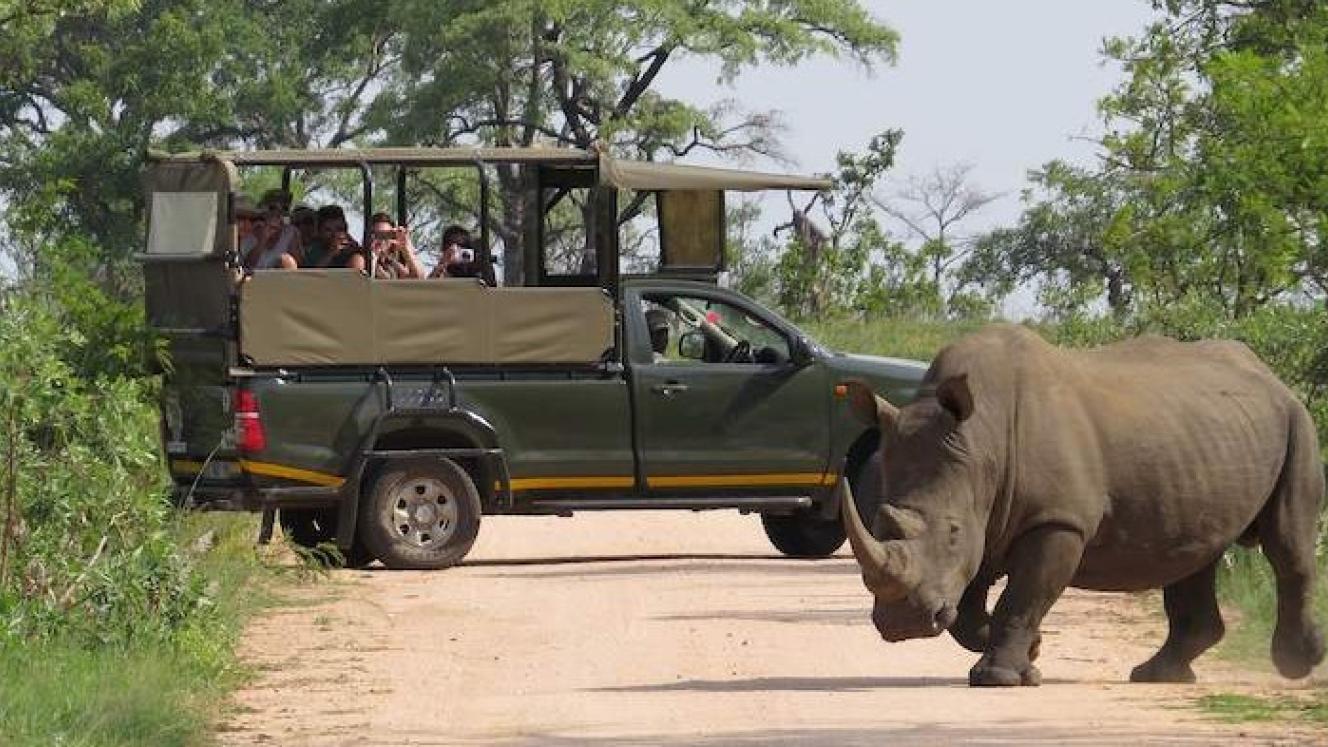
Comprehensive Summarization: The article reports that SANParks, the South African national parks authority, has implemented "fuel management measures" in several...
Read moreDetails
