











Travel Capitalist Ventures Expands Check Size to $10 Million to Deepen Emerging Market Conviction
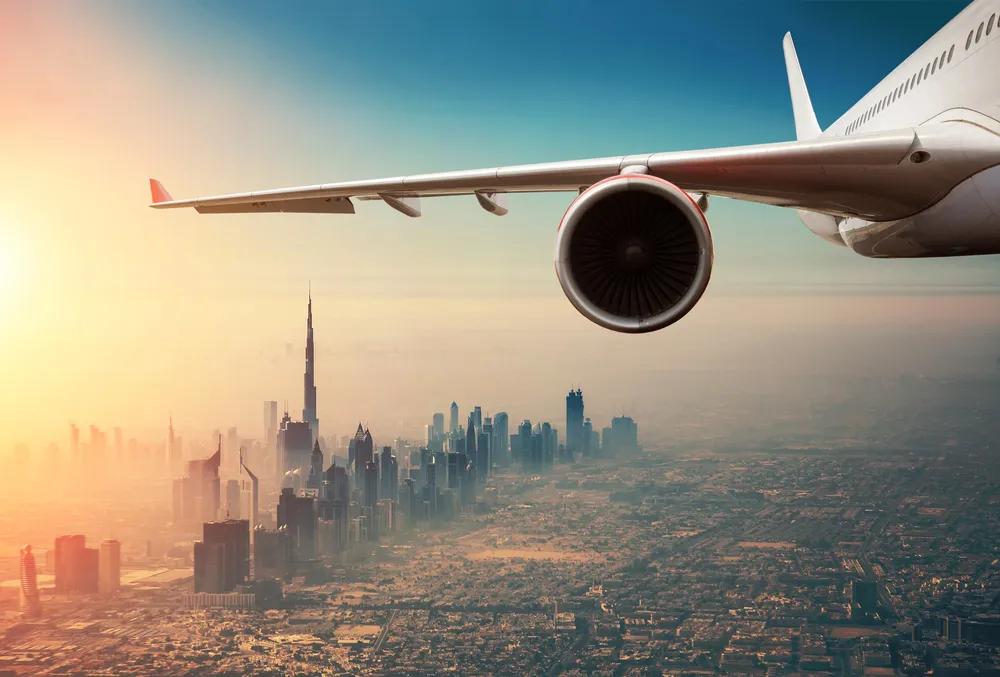
Boutique Travel VC raises investment cap from $1.5M to $10M to lead rounds and support portfolio companies through growth Travel...
Read moreDetails
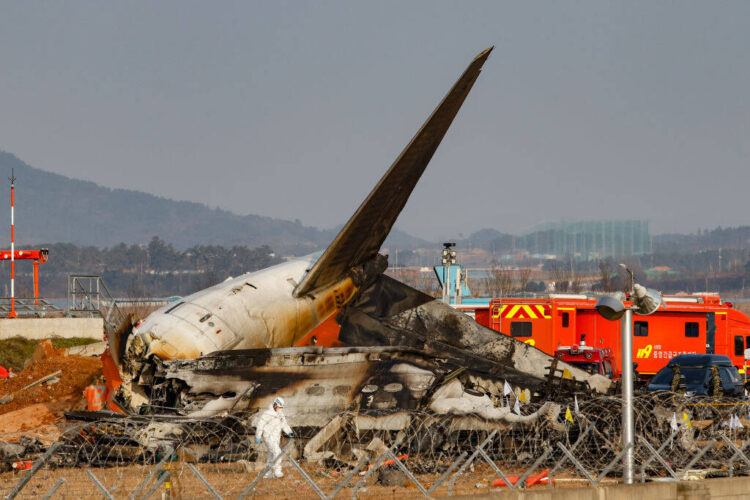
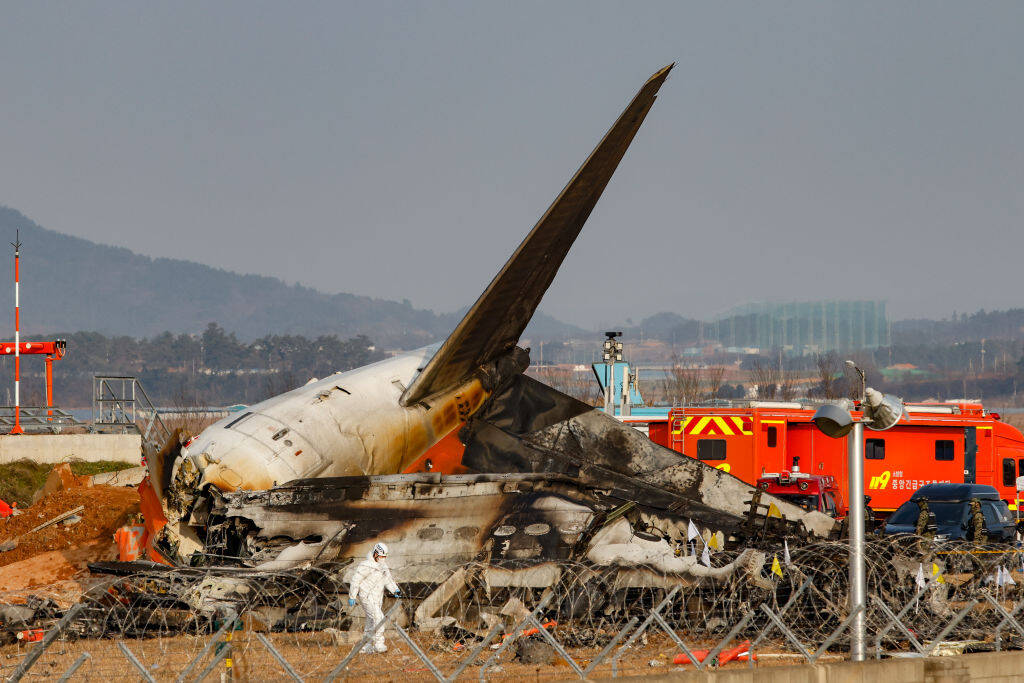
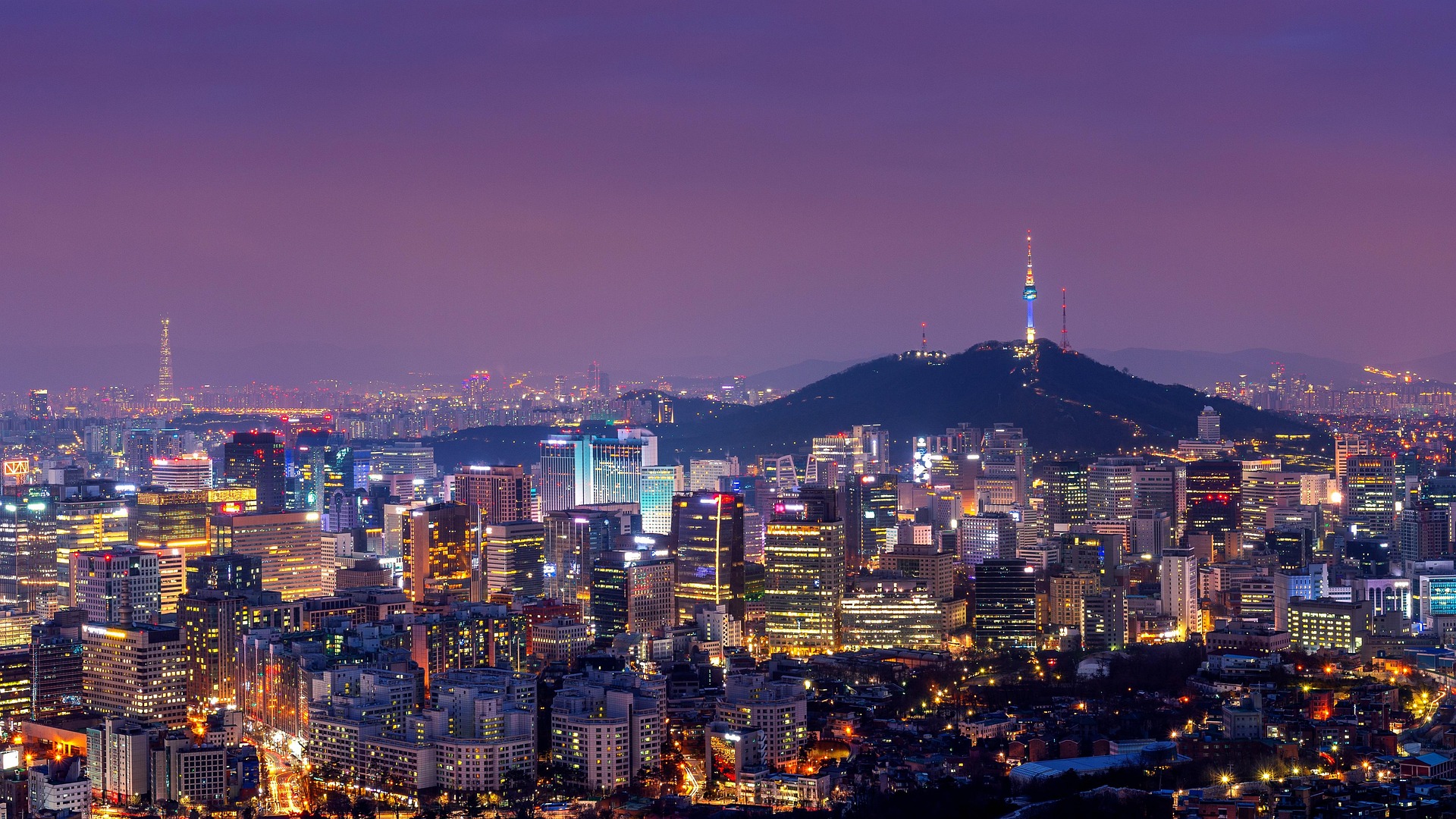
Families want answers one year after Jeju air crash in South Korea
Article Summary:
A year after Jeju Air Flight 2216 crashed at Muan Airport in South Korea, the families of the victims continue to return weekly, demanding answers. They argue that everyone could have survived if not for the concrete runway obstacle and criticize the interim report for placing blame solely on pilot error. The families insist that the investigation must examine systemic safety failures rather than just individual mistakes.
Key Points:
Actionable Takeaways:
Read the Complete Article.
Boutique Travel VC raises investment cap from $1.5M to $10M to lead rounds and support portfolio companies through growth Travel...
Read moreDetails



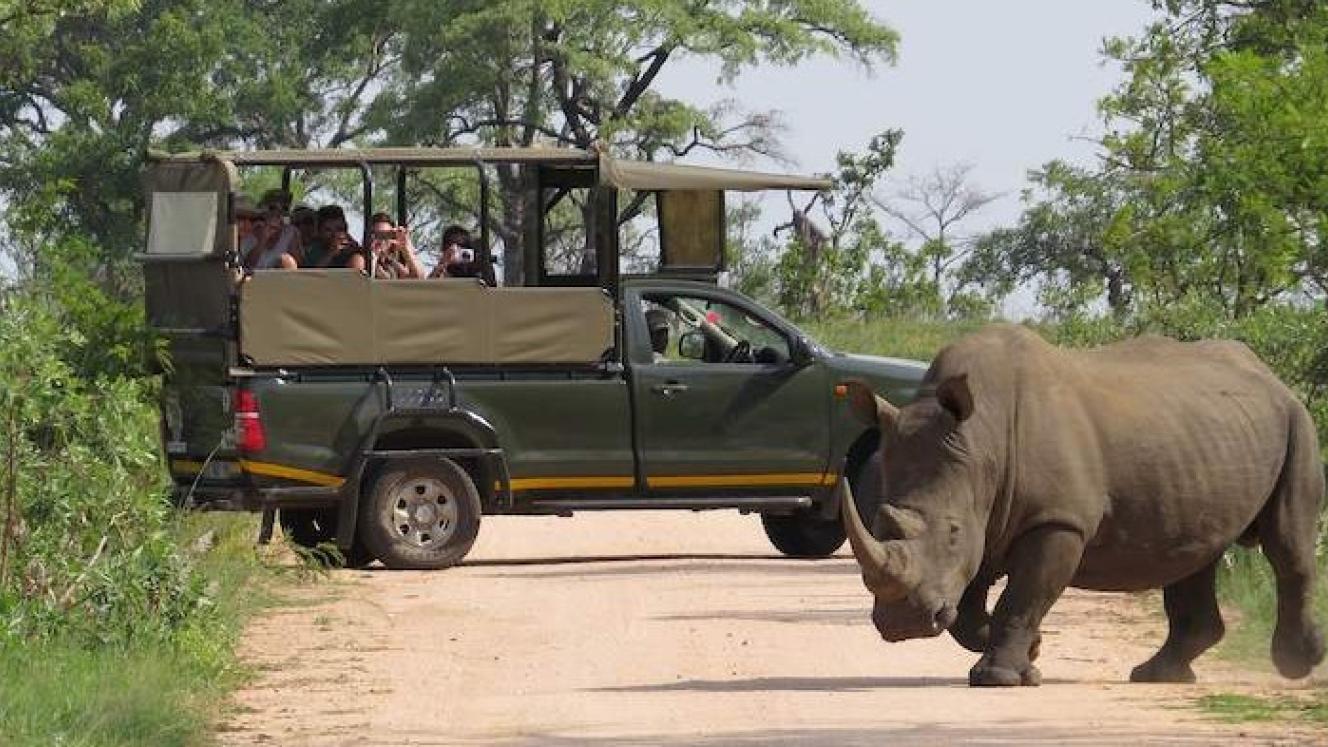
Comprehensive Summarization: The article reports that SANParks, the South African national parks authority, has implemented "fuel management measures" in several...
Read moreDetails
