








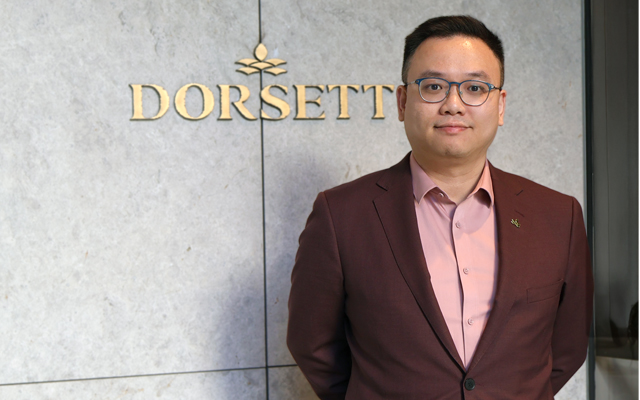








Travel Capitalist Ventures Expands Check Size to $10 Million to Deepen Emerging Market Conviction
Boutique Travel VC raises investment cap from $1.5M to $10M to lead rounds and support portfolio companies through growth Travel...
Read moreDetails
Article Summary:
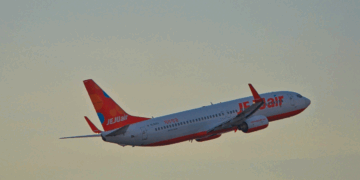
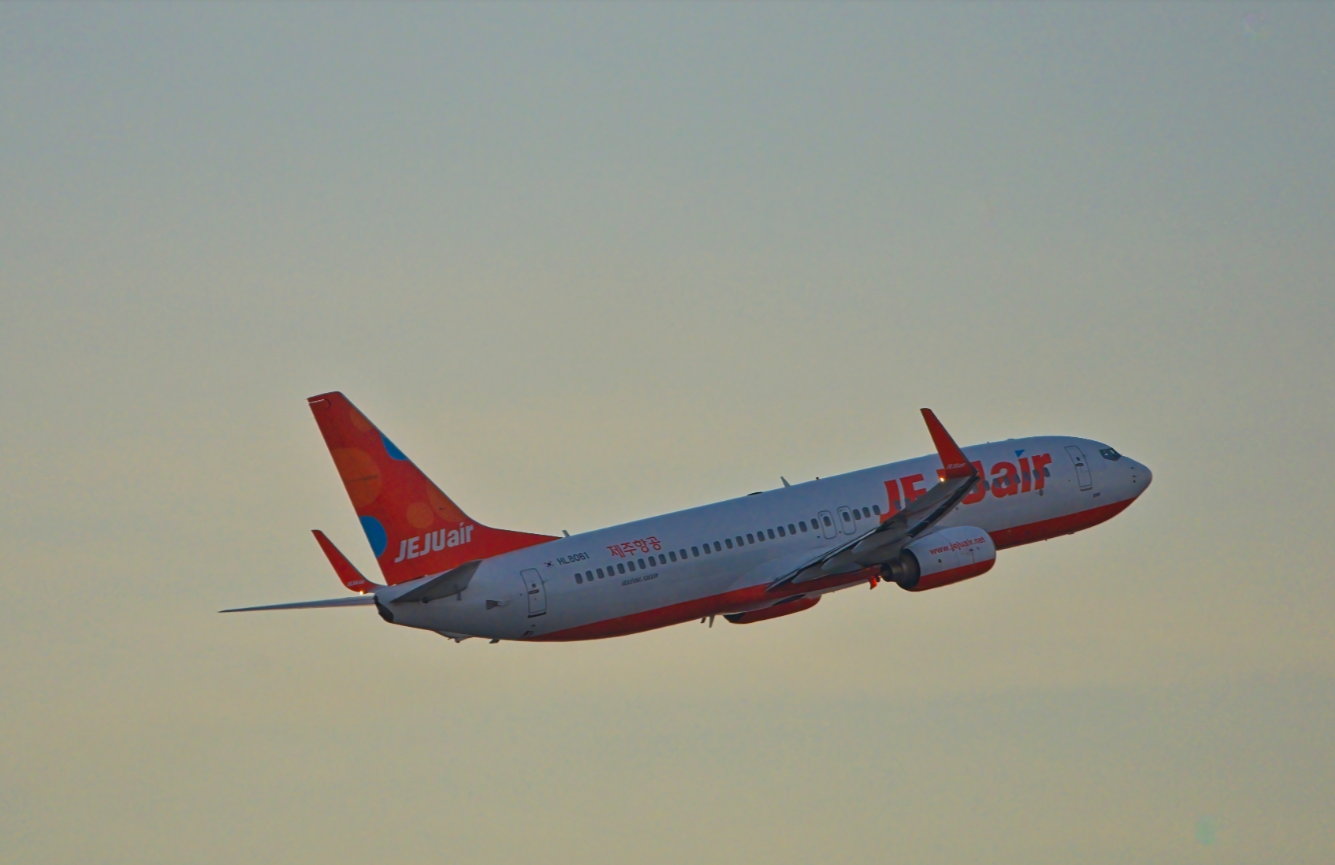
On the first anniversary of Jeju Air Flight 2216’s crash, families of the victims gathered at Muan International Airport to demand accountability. The Boeing 737-800 crash, which occurred on December 29, 2024, resulted in the deaths of 179 people when the aircraft landed without its wheels deployed and struck a concrete embankment. Relatives honored the victims by lighting candles and placing flowers near the impact site, where the names of the deceased were displayed. The article also touches on the broader context of recent aviation disasters and the ongoing calls for accountability in the industry.
Key Points:
Actionable Takeaways:
Contextual Insights:
The crash of Jeju Air Flight 2216 highlights ongoing challenges in the aviation industry, particularly concerning safety and accountability. Recent years have seen a heightened focus on aviation safety following several high-profile incidents, prompting airlines to invest in advanced technologies and training programs. The incident also underscores the importance of transparent communication and support for victims’ families, a trend that is increasingly resonating with the public. As the travel industry continues to evolve, integrating these insights can help stakeholders navigate future challenges and maintain a commitment to safety and ethical practices.
Read the Complete Article.
Boutique Travel VC raises investment cap from $1.5M to $10M to lead rounds and support portfolio companies through growth Travel...
Read moreDetails



Comprehensive Summarization: The Liberia National Tourism Authority (LNTA) has faced criticism over its announcement of new annual license fees for...
Read moreDetails
