













Travel Capitalist Ventures Expands Check Size to $10 Million to Deepen Emerging Market Conviction
Boutique Travel VC raises investment cap from $1.5M to $10M to lead rounds and support portfolio companies through growth Travel...
Read moreDetails
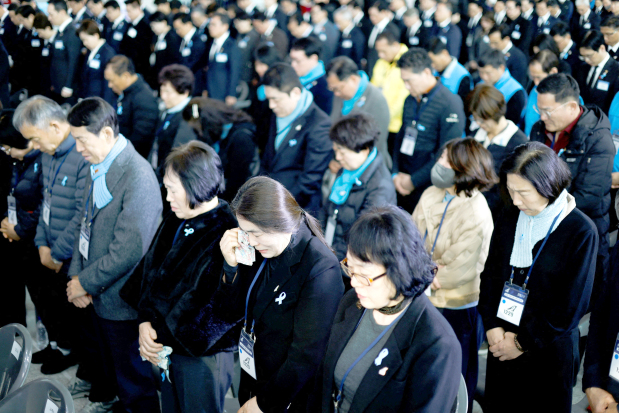
Families seek answers year after Jeju Air crash
Article Summary:
A year after the worst air disaster on South Korean soil, families of the 179 people who died gathered around the site of Jeju Air Flight 2216 crash at Muan International Airport, demanding answers and a thorough investigation. The Boeing 737-800 crash-landed without wheels deployed, hitting a barrier and exploding into a fireball on December 29, 2024. Relatives expressed outrage over the lack of action and transparency.
Key Points:
Actionable Takeaways:
Contextual Insights:
The article reflects the ongoing challenges in the travel industry, particularly in ensuring safety and transparency following catastrophic events. The demand for answers from families of victims is a poignant reminder of the human impact of air disasters and the critical role of thorough investigations in preventing future tragedies. This context is particularly relevant in the current travel industry, where safety and trust are paramount. The insights also highlight the importance of engaging stakeholders, including victims’ families, in the recovery and improvement processes, aligning with current industry trends towards greater accountability and transparency.
Read the Complete Article.
Boutique Travel VC raises investment cap from $1.5M to $10M to lead rounds and support portfolio companies through growth Travel...
Read moreDetails



Comprehensive Summarization: The Liberia National Tourism Authority (LNTA) has faced criticism over its announcement of new annual license fees for...
Read moreDetails
