







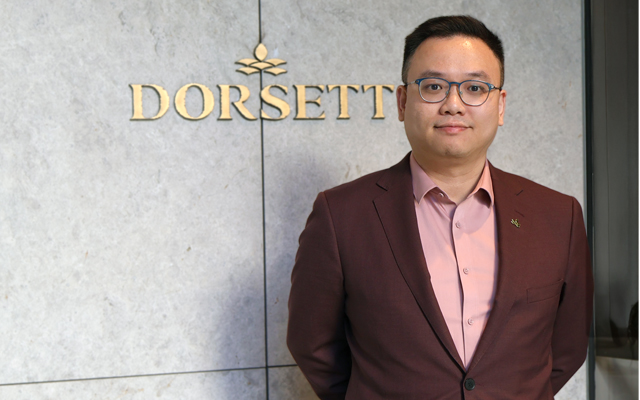








Travel Capitalist Ventures Expands Check Size to $10 Million to Deepen Emerging Market Conviction
Boutique Travel VC raises investment cap from $1.5M to $10M to lead rounds and support portfolio companies through growth Travel...
Read moreDetails

Article Summary:
On the first anniversary of the Jeju Air crash, the families of the victims visited the runway embankment at Muan International Airport. The aircraft struck the embankment during a failed landing on December 29, 2024, resulting in the death of 179 out of 181 people on board. Following a memorial ceremony, the bereaved families proceeded to tour the site.
Key Points:
Actionable Takeaways:
Contextual Insights:
The Jeju Air crash, occurring on the first anniversary of the accident, serves as a poignant reminder of the inherent risks in air travel. It highlights the ongoing challenges faced by the aviation industry in ensuring passenger safety, especially during critical phases of flight such as landing. The tragedy also underscores the importance of mental health support for families affected by such incidents, reflecting a broader trend in the travel industry towards holistic passenger care. Looking forward, the incident may catalyze advancements in aviation technology, particularly in landing systems and emergency response protocols, as the industry seeks to enhance safety standards. This aligns with the current travel industry trend of integrating advanced technologies to improve operational efficiency and passenger safety, as noted by thought leaders in the sector.
Read the Complete Article.
Boutique Travel VC raises investment cap from $1.5M to $10M to lead rounds and support portfolio companies through growth Travel...
Read moreDetails


Dubai, UAE — August 2021 In short: UAE hotel operators adopt cautious stance amid Iran ceasefire. UAE Hotel Operators Take...
Read moreDetails
