

















Travel Capitalist Ventures Expands Check Size to $10 Million to Deepen Emerging Market Conviction
Boutique Travel VC raises investment cap from $1.5M to $10M to lead rounds and support portfolio companies through growth Travel...
Read moreDetails

In-Depth
Article Summary:
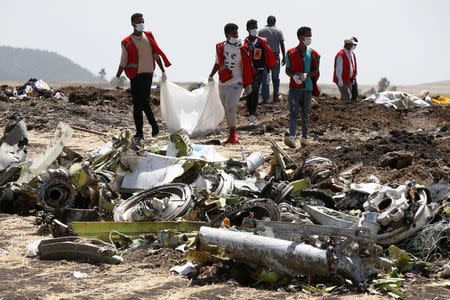
On the first anniversary of the ’12·29 Jeju Air Passenger Plane Muan International Airport Disaster,’ the Gwangju Metropolitan Council called for a thorough investigation and identification of those responsible through an independent accident inquiry. The article highlights the unresolved cause of the disaster and the call for accountability, emphasizing the importance of transparency and justice in such incidents. The summary is based strictly on the facts and context provided in the original article.
Key Points:
Actionable Takeaways:
Contextual Insights:
The article’s context is deeply rooted in the ongoing challenges faced by the aviation industry in ensuring safety and accountability following incidents like the ’12·29 Jeju Air Passenger Plane Muan International Airport Disaster.’ Recent trends indicate a growing emphasis on technological advancements and data-driven solutions to enhance safety measures in aviation. For instance, the integration of AI and machine learning in predictive maintenance and real-time monitoring systems has become a focal point for many travel startups and fintech innovations. These technologies not only enhance operational efficiency but also contribute to the prevention of accidents by identifying potential risks before they materialize. The article’s emphasis on accountability and transparency aligns with these trends, suggesting that as the industry evolves, so too must the frameworks for ensuring safety and justice. This contextual insight is crucial for professionals in the travel industry, as it highlights the intersection of regulatory compliance, technological innovation, and ethical responsibility in shaping the future of aviation.
Read the Complete Article.
Boutique Travel VC raises investment cap from $1.5M to $10M to lead rounds and support portfolio companies through growth Travel...
Read moreDetails



Comprehensive Summarization: The article from the Nepal Police's Central Investigation Bureau (CIB) reveals one of the largest insurance frauds in...
Read moreDetails
