Article Summary:
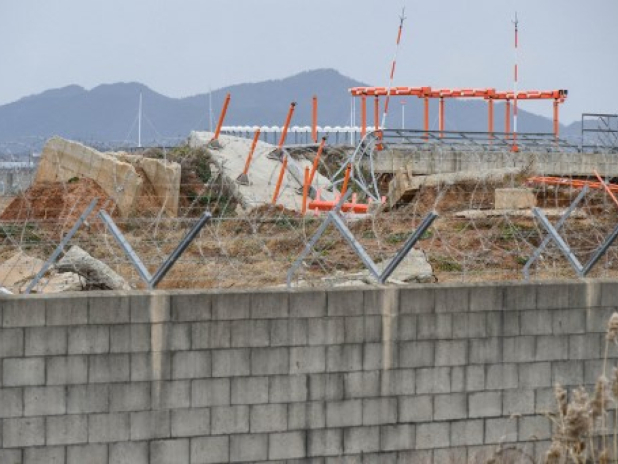
179 people tragically lost their lives when Jeju Air Flight 2216 crashed in December 2024. However, a simulation revealed that all 179 passengers would have survived if there hadn’t been a concrete structure at the end of the runway. The incident occurred when the plane, en route from Thailand, struck a flock of birds and had to make an emergency belly landing. Bystander footage showed the pilots successfully landing the plane before it collided with a concrete barrier known as a localiser at the airport.
Key Points:
- Jeju Air Flight 2216 crashed in December 2024, resulting in 179 fatalities.
- A simulation indicated that the loss of life could have been prevented if there wasn’t a concrete structure at the end of the runway.
- The plane had to perform an emergency belly landing after colliding with a flock of birds.
- Bystander footage captured the pilots’ efforts to land the plane safely before the collision with the concrete barrier.
Actionable Takeaways:
- Enhanced Runway Safety Measures: The incident underscores the importance of evaluating and potentially modifying runway designs to prevent catastrophic collisions with obstacles. Implementing more flexible or retractable barriers could be a forward-thinking solution to enhance safety, particularly in areas prone to wildlife strikes.
- Advanced Bird Strike Detection Systems: The crash highlights the need for advanced technologies to detect and mitigate bird strikes. Investing in real-time bird detection systems could significantly reduce the risk of such incidents, potentially saving lives in future emergencies.
Contextual Insights:
The crash of Jeju Air Flight 2216 is a stark reminder of the ongoing challenges in aviation safety, particularly concerning wildlife strikes. As the travel industry continues to evolve, with increasing emphasis on sustainability and technological innovation, it is crucial to integrate cutting-edge safety measures. The incident also reflects broader trends in the industry towards adopting advanced technologies to enhance safety and operational efficiency. For travel startups and fintech companies, this presents an opportunity to develop innovative solutions that address safety concerns, such as predictive analytics for wildlife movement or enhanced emergency response systems. By leveraging these technologies, the industry can move towards more resilient and secure travel experiences, aligning with the growing demand for safety-conscious travel solutions.
Read the Complete Article.