Comprehensive Summarization:
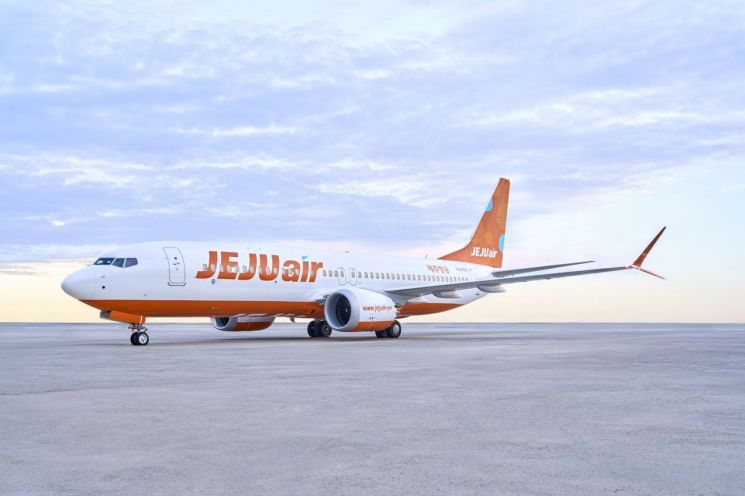
Jeju Air has announced the acquisition and introduction of its ninth next-generation aircraft, the Boeing 737-8, bringing the total of next-generation aircraft to 21% of its fleet and owned aircraft to 35%. This strategic move aims to enhance operational safety by reducing the average fleet age to 12.3 years. The newly introduced aircraft will commence operations post the acquisition of necessary airworthiness certificates and approvals from relevant authorities. This development underscores Jeju Air’s commitment to modernizing its fleet and improving safety standards in the travel industry.
Key Points:
- Jeju Air purchased and introduced its ninth next-generation Boeing 737-8 aircraft, increasing the percentage of next-generation aircraft in its fleet to 21% and owned aircraft to 35%.
- The introduction of the Boeing 737-8 is expected to enhance operational safety by reducing the average fleet age to 12.3 years.
- The newly introduced aircraft will begin operations after obtaining necessary airworthiness certificates and approvals from relevant authorities.
Actionable Takeaways:
-
Modernization of Fleet: Jeju Air’s acquisition of next-generation aircraft signifies a commitment to modernizing its fleet, which is crucial for enhancing operational safety and efficiency in the travel industry. This move aligns with broader industry trends towards adopting newer, more efficient aircraft to meet rising passenger expectations for safety and comfort.
-
Enhanced Operational Safety: By reducing the average fleet age to 12.3 years, Jeju Air is likely to improve its operational safety metrics. Older aircraft often require more frequent maintenance and have higher safety risks, so upgrading to newer models can significantly mitigate these risks, ensuring safer travel for passengers.
-
Strategic Fleet Expansion: The increase in the percentage of next-generation and owned aircraft indicates Jeju Air’s strategic expansion of its fleet. This expansion is likely aimed at improving service quality, increasing capacity, and potentially reducing operational costs in the long run through more efficient aircraft management.
Contextual Insights:
Jeju Air’s strategic move to increase its fleet of next-generation aircraft reflects a broader trend in the travel industry towards modernization and safety enhancement. As passenger expectations continue to rise, airlines are increasingly investing in newer aircraft that offer improved fuel efficiency, passenger comfort, and advanced safety features. This trend is supported by thought leaders in the industry who emphasize the importance of fleet modernization for maintaining competitive advantage and ensuring long-term sustainability.
Moreover, the focus on reducing fleet age aligns with industry-wide efforts to improve safety standards. Older aircraft are more prone to mechanical failures and have higher maintenance costs, making newer models a more cost-effective and safer choice for airlines. Jeju Air’s initiative not only positions the airline as a forward-thinking operator but also sets a benchmark for other airlines to follow in terms of fleet management and safety protocols.
In conclusion, Jeju Air’s acquisition of the Boeing 737-8 and its strategic fleet expansion are indicative of the industry’s ongoing shift towards modernization, safety, and efficiency. These actions are likely to have a positive impact on Jeju Air’s operational performance and reputation, while also contributing to the broader evolution of the travel industry towards more sustainable and safe practices.
Read the Complete Article.