Comprehensive Summarization:
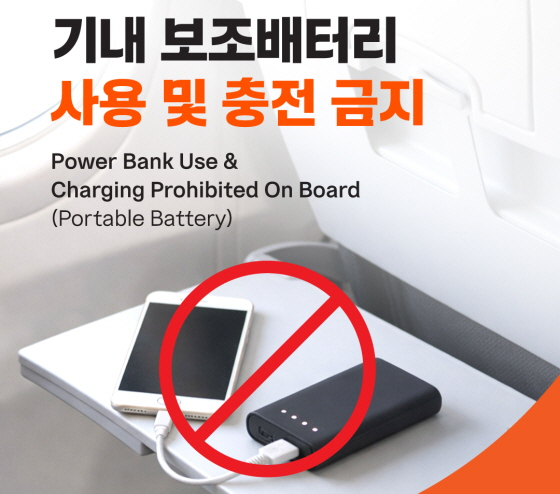
Jeju Air, a South Korean airline, is implementing stricter regulations on auxiliary batteries that passengers can bring onto aircraft, effective from January 22. The airline will ban the use of auxiliary batteries on board for all domestic and international passengers. Additionally, Jeju Air is limiting the charging of electronic devices such as mobile phones and tablet PCs using auxiliary batteries. This decision comes under the Ministry of Transportation’s guidelines, reflecting a broader trend in the travel industry towards enhancing safety and reducing potential risks associated with portable electronic devices.
Key Points:
- Jeju Air is strengthening regulations on auxiliary batteries onboard aircraft, effective January 22.
- The airline will prohibit the use of auxiliary batteries on board for all passengers.
- Charging of electronic devices like mobile phones and tablets using auxiliary batteries will be limited for all domestic and international passengers.
- This decision aligns with the Ministry of Transportation’s guidelines, emphasizing safety and risk reduction in air travel.
Actionable Takeaways:
-
Enhanced Safety Measures: The ban on auxiliary batteries and charging of electronic devices on board reflects a proactive approach by Jeju Air to enhance passenger safety. Airlines should consider adopting similar safety protocols to mitigate risks associated with portable electronic devices, potentially setting a new industry standard for air travel safety.
-
Regulatory Compliance: Adhering to the Ministry of Transportation’s guidelines ensures that Jeju Air remains compliant with regulatory requirements. Other airlines and aviation stakeholders should monitor regulatory updates and ensure their operations align with evolving safety standards, which could influence industry-wide practices and standards.
Contextual Insights:
The decision by Jeju Air to tighten regulations on auxiliary batteries and device charging on board reflects a growing trend in the travel industry towards prioritizing safety and reducing potential hazards. As electronic devices become more integral to passenger experiences, the risk of fire or other incidents due to battery malfunctions has become a significant concern. This move by Jeju Air not only underscores the importance of adhering to regulatory guidelines but also highlights the need for continuous innovation in aviation safety technologies.
Looking ahead, the travel industry is likely to witness increased emphasis on safety innovations, such as advanced battery management systems and stricter regulations on electronic device usage. Startups focusing on aviation safety technologies may find this a fertile ground for innovation, potentially leading to new solutions that enhance passenger safety and operational efficiency. Additionally, this trend could encourage other airlines to reassess their policies on electronic device usage, potentially leading to a more standardized approach to safety across the industry.
Read the Complete Article.






![Park Chang-jin, head of the KAC Airport Service Planning Division, is expressing his feelings about taking office. [KAC Airport Service]](https://images.traveltrade.today/wp-content/uploads/2026/04/Park-Chang-jin-Exposes-Nut-Rage-Incident-at-Korean-Air.jpg)