Comprehensive Summarization:
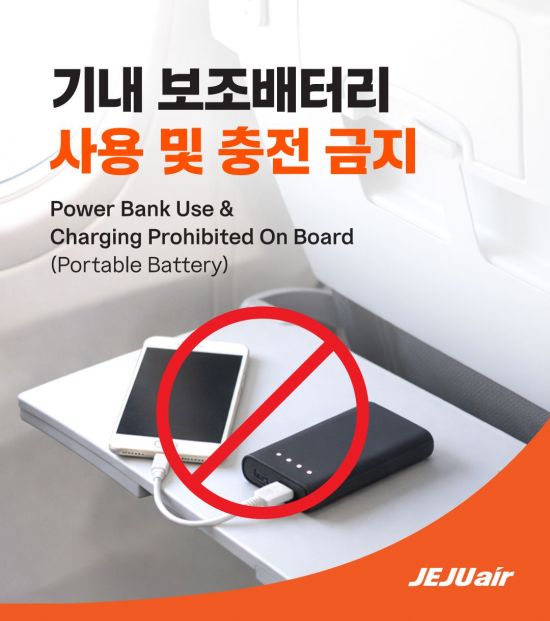
Jeju Air has announced a significant regulatory change effective January 22, 2022, which will prohibit the use of portable batteries in the cabin on their flights. This decision comes in line with the guidelines set by the Ministry of Land, Infrastructure and Transport, which currently restricts the charging of portable batteries in the cabin. The airline’s move underscores a broader trend in the travel industry towards stricter regulations around portable electronic devices, reflecting a heightened focus on safety and security measures in air travel.
Key Points:
- Jeju Air will implement a complete ban on the use of portable batteries in the cabin starting January 22, 2022.
- This decision aligns with the Ministry of Land, Infrastructure and Transport’s existing guidelines prohibiting the charging of portable batteries in the cabin.
- The ban is part of a broader industry trend towards enhanced safety and security measures in air travel.
Actionable Takeaways:
-
Enhanced Safety Measures: The ban on portable batteries in the cabin by Jeju Air highlights the increasing emphasis on safety and security in the travel industry. Airlines are likely to adopt similar stringent regulations to mitigate potential risks associated with portable electronic devices. This move could prompt other airlines to reassess their policies on portable batteries, potentially leading to a more standardized approach across the industry.
-
Regulatory Compliance: Jeju Air’s decision to comply with the Ministry of Land, Infrastructure and Transport’s guidelines demonstrates the importance of regulatory compliance in the travel sector. Airlines must stay abreast of regulatory changes to ensure they meet safety standards and avoid potential penalties. This takeaway underscores the need for continuous monitoring of regulatory developments and proactive adjustments to airline policies.
Contextual Insights:
The ban on portable batteries in the cabin by Jeju Air is reflective of a larger industry trend towards enhanced safety measures. Recent events, such as incidents involving malfunctioning portable batteries, have underscored the need for stricter regulations to ensure passenger safety. This development aligns with the growing focus on technological advancements in travel, where safety and security are paramount. Furthermore, it highlights the role of regulatory bodies in shaping industry practices, ensuring that airlines prioritize passenger safety above all else.
In the context of travel tech and fintech, this regulatory change could influence the development of new technologies aimed at enhancing safety and compliance. For instance, there may be an increased focus on innovations that facilitate the safe transport of portable batteries, such as specialized storage solutions or advanced detection systems. Additionally, the trend towards stricter regulations could spur fintech innovations aimed at helping airlines manage compliance costs and streamline regulatory reporting processes.
Overall, Jeju Air’s decision to ban portable batteries in the cabin underscores the evolving landscape of the travel industry, where safety, regulatory compliance, and technological innovation are at the forefront. As the industry continues to adapt to new challenges and standards, stakeholders must remain vigilant and proactive in implementing best practices to ensure a secure and efficient travel experience.
Read the Complete Article.







![Park Chang-jin, head of the KAC Airport Service Planning Division, is expressing his feelings about taking office. [KAC Airport Service]](https://images.traveltrade.today/wp-content/uploads/2026/04/Park-Chang-jin-Exposes-Nut-Rage-Incident-at-Korean-Air.jpg)